


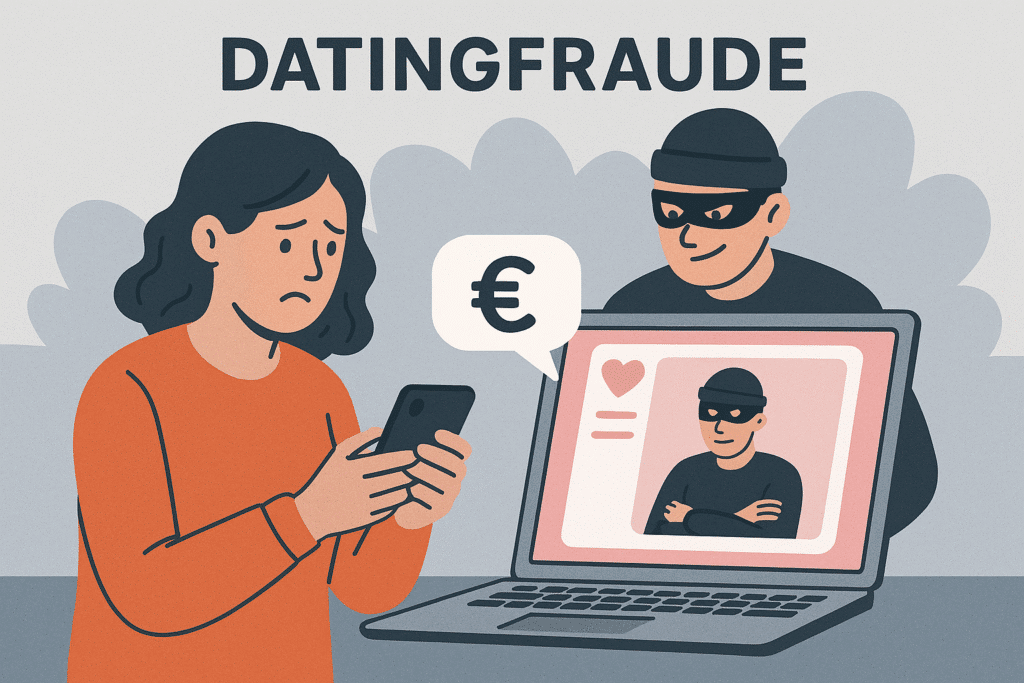
Introduction: What is Fraud and Why It is Crucial for Everyone
Meaning: Fraud is a common crime in the Netherlands in which criminals deceive people in order to obtain money or valuable goods. In this guide, you will learn what fraud is exactly, how to recognise it and how to protect yourself effectively. Fraud is a criminal offence and can lead to prosecution. The fraudster’s goal is to make money from the fraud or to benefit in some other way. The role of the victim is a decisive factor in assessing fraud. A common method used by fraudsters is to assume a false identity, pretending to be someone else in order to deceive victims.
Every day, hundreds of Dutch people fall victim to fraudsters who are becoming increasingly sophisticated. From WhatsApp fraud to dating fraud, modern fraud takes many forms and can affect anyone. Many people feel cheated after falling victim to fraud. Cybercriminals are becoming increasingly adept at forging emails, text messages, WhatsApp messages and letters from banks. What’s more, they are becoming increasingly adept at posing as banks. Dating fraud involves fraudsters posing as fake lovers on dating sites in order to obtain money. Scammers often have only a short time to strike, so they work quickly and efficiently. This guide covers the core concepts of fraud, recognising warning signs, protection strategies and what to do if you have been scammed.
Immediate confirmation of what you learn: legal definitions, practical recognition, effective protection, and concrete action plans for suspicious situations. Fraud can take place via fake emails, text messages, and letters. Banks and organisations actively warn about new forms of fraud to protect people from these practices.
Understanding Fraud: Key Concepts and Definitions
Key definitions
Fraud is legally defined in Article 326 of the Criminal Code as a serious form of deception in which the perpetrator uses deception to induce another person to hand over money, goods or enter into obligations. For fraud to occur, one of the means of fraud listed in Article 326 of the Criminal Code must be present, such as a web of lies. The aim is always to obtain unlawful gain for oneself or for third parties. The fraudster’s aim is to make money from the fraud or to benefit in some other way. In the Netherlands, fraud is described in Article 326 of the Criminal Code. In Belgium, fraud is punishable under Article 496 of the Criminal Code.
Important synonyms and related terms:
- Fraud: Broader term for deliberate deception
- Deception: Misleading with fraudulent intent
- Swindling: Informal term for fraud
- Cunning tricks: Legal term for misleading methods
Pro Tip: Understand that fraudsters often use false names, false identities or fabrications to gain trust. Recognising these patterns will help protect you. Fraud via social media includes false offers or impersonating acquaintances to steal personal data or money. WhatsApp fraud involves a false emergency call from a known person asking for money. Your bank will never ask you for login details, security codes or to transfer money to another account via text message, WhatsApp, email or telephone.
Conceptual relationships
Fraud is directly related to:
- Cybercrime: Online fraud via the internet and social media
- Identity fraud: Misuse of personal data
- Phishing: Digital attempts to steal login details. Phishing is a technique whereby fraudsters steal your details via a link in a fake email or message.
Simple relationship map: deception → loss of trust → handing over money/goods → financial and emotional damage → reporting and victim support
Why fraud is a major problem in the Netherlands

Fraud has dramatic consequences for Dutch consumers. According to the Fraud Help Desk, Dutch people lost more than €500 million to online fraud in 2023 – an increase of 20% compared to the previous year. Creative people with fewer business skills are a target for fraudsters. A well-known case of fraud involves telephone subscriptions, where someone is forced to take out subscriptions, after which the fraudster disappears with the telephones.
Key statistics:
- More than 35,000 reports of fraud in 2023
- WhatsApp fraud: average loss of £2,400 per victim
- Investment fraud: average loss €12,000 per victim
- 65% of all reports concern online scams
- In many cases, fraudsters offer fake products, such as counterfeit electronics or non-existent goods
- Victims may be entitled to compensation if a large amount of money has been stolen
The emotional impact goes beyond financial damage. Victims often experience shame, loss of trust and psychological stress. Organisations such as Victim Support Netherlands report that fraud victims need long-term support. It is normal to experience emotional distress after being scammed.
In the case of marketplace fraud, it is common for victims to have paid but not received a product.
Overview of common types of fraud and comparison table
| Type of scam | How it works | Average loss | Recognisable signs |
|---|---|---|---|
| WhatsApp fraud | Fraudster pretends to be a family member in distress | £2,400 | Unknown number, urgent request for money, different email address |
| Investment fraud | Fake platforms with false profits | €12,000 | High returns, pressure to act quickly, unregulated platforms |
| Dating fraud | Romance scam via dating apps | €8,500 | Quick declarations of love, requests for money, refusal to meet up |
| Marketplace fraud | False advertisements, advance payment | €800 | Unrealistic prices, advance payment only, no verification |
| Phishing | Fake emails from banks or government agencies | €3,200 | Suspicious email addresses, urgency, links to fake websites, requests to send debit cards or share debit card details |
| Advance fee fraud | False promises in exchange for advance payment | €1,500 | Big promises, advance payment, no guarantees |
Warning signs: Pressure to act quickly, requests for personal information, language or spelling errors in messages, and offers that seem too good to be true. Never click on links in emails and messages you receive from strangers. ‘Chatter tricks’ refer to strangers approaching someone to gain their trust and then stealing valuable items.
Cunning Tricks: The Tactics of Scammers Unmasked
Clever tricks are smart and sophisticated tactics that fraudsters use to try to deceive their victims. These tactics are often so convincing that even the most vigilant people can fall for them. Fraudsters use various forms of cunning tricks, such as assuming a false name, posing as a trustworthy organisation, or compiling a credible story that plays on emotions and trust.
In online scams, these tricks can be seen in phishing emails that appear to come from your bank, or in WhatsApp messages from a ‘friend’ or ‘family member’ urgently asking for money. Victims are also approached on social media and via text message with stories that seem too good to be true, or with an urgent problem that needs to be solved quickly by transferring money.
Recognising these cunning tricks starts with awareness. Always ask yourself: does this story make sense, is this situation logical, and can I verify the identity of the sender? Watch out for signs such as language or spelling errors, unusual requests for personal information, or pressure to act quickly. Scammers play on your trust and try to make you believe that you are dealing with a reliable party. By being alert to these forms of deception, you can prevent yourself from becoming a victim of fraud.
Be aware that fraudsters are constantly adapting their tactics. Therefore, stay informed about the latest forms of online fraud and share your knowledge with others. This way, you not only protect yourself, but also those around you from the cunning tricks of fraudsters.
Step-by-Step Guide to Protecting Yourself Against Fraud
Step 1: Recognise the warning signs
Checklist of red flags:
- Unexpected messages from “family” via unknown number
- Pressure to transfer money within a short period of time
- Requests to share bank card, PIN or login details
- Emails with suspicious senders pretending to be your bank
- Offers with unrealistic benefits
- Never respond to suspicious messages or phone calls asking for personal information or money
Example scenario: You receive a WhatsApp message from an unknown number: “Hi Mum, this is my new number. My phone has been hacked. Can you transfer £500? I’ll pay you back tomorrow.” This is a classic chat-up scam.
What to do when in doubt: Stop, always check via another channel (call the known number), and verify identities before acting.
Step 2: Implement protective measures
Technical security: * Use strong, unique passwords for each account
- Activate two-factor authentication on important accounts
- Install good antivirus software and keep it up to date
- Only use secure connections (https://) for payments
- Use online banking on a computer and mobile phone whose software and security systems are regularly updated
- Use strong, unique passwords that are long and complex, and do not use the same password for different accounts
- Keep your online banking environment private, even from people you know well
- Use strong, unique passwords for each account
- Enable two-factor authentication on important accounts
- Install good antivirus software and keep it up to date
- Only use secure connections (https://) for payments
Rules of conduct:
- Never share your bank card, PIN or login details
- If in doubt, always verify via official channels
- Take your time when making important financial decisions
- Be careful with personal information on social media
- Banks never ask you to send in your debit cards
Recommended resources: Official banking apps, spam filters in email, and your bank’s alert service.
Step 3: Know what to do in suspicious situations
Immediate action when you suspect something:
Immediate action in case of suspicion: * Contact your bank immediately to block payments
- Save screenshots and documentation of suspicious messages
- Report it to the police (online or at the police station). It is important to know where and how to report it so that you can get help quickly and effectively.
- Report fraud to the Fraud Help Desk: 088-7867372. Contact your bank immediately if you have shared your login details or security codes. Some banks have special numbers for victims of fraud.
- Save screenshots and documentation of suspicious messages
- Report the incident to the police (online or at the police station)
- Report fraud to the Fraud Help Desk: 088-7867372. Contact your bank immediately if you have shared your login details or security codes.
Victim support: Feel free to contact Victim Support Netherlands for emotional support and practical tips for recovery. Victims can also get help and advice here about next steps after being scammed. If you are under 18, you can contact De Kindertelefoon.
Common mistakes that make you vulnerable to fraud
Mistake 1: Trusting unknown contacts too quickly Many people immediately respond to messages from unknown numbers pretending to be family or friends. Scammers exploit our natural trust and helpfulness.
Mistake 2: Clicking on links without verification Phishing emails are becoming increasingly professional. Clicking on a link in a suspicious email can lead to identity fraud or malware infection.
Mistake 3: Sharing personal information out of politeness Scammers use social engineering to manipulate people. They ask for information “for verification” or create time pressure.
Pro Tip: Use the 24-hour rule – always take at least a day to think about unexpected financial requests. Real emergencies can usually wait a day.
Real-life case study: Investment fraud via WhatsApp
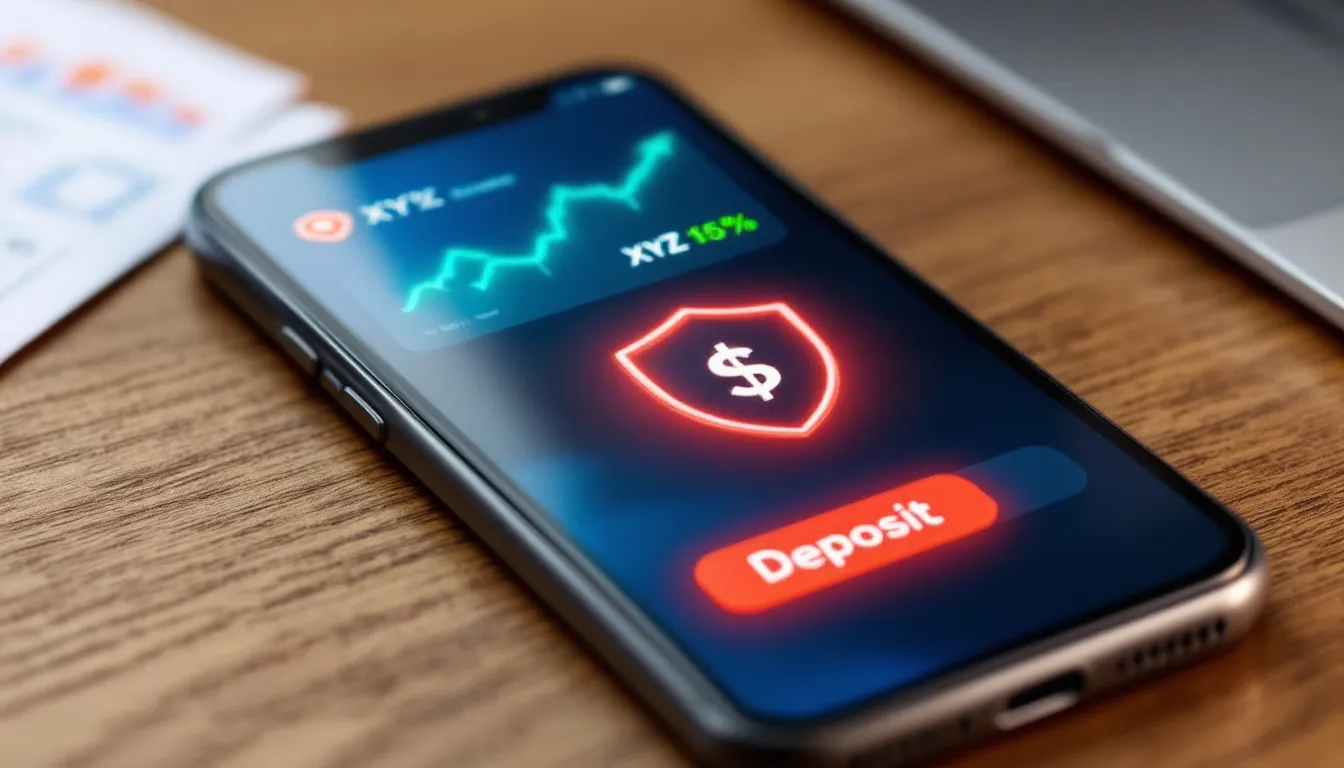
Case study: Marianne from Utrecht lost €15,000 to cryptocurrency scammers in March 2024
Initial situation: Marianne (52) saw an advertisement on Facebook about investing in cryptocurrency. After filling out a contact form, she was approached via WhatsApp by an “investment advisor” who introduced himself as Thomas from a well-known investment company.
Steps taken by the scammers:
- Building trust: Daily contact, showing small successes on fake platform
- Fake profits: After a €500 deposit, the platform showed a €750 ‘profit’
- Escalation: Pressure to invest more for ‘special opportunities’
- Disappearance: After a €15,000 deposit, all accounts were blocked
Final result:
- Total loss: £15,000 in savings
- Psychological impact: Depression, shame, loss of confidence
- Legal action: Reported to the police, proceedings still ongoing
| For | After |
|---|---|
| Savings: € 25,000 | Savings: € 10,000 |
| No awareness of fraud | Active protection implemented |
| No verification | Always double-check investments |
Reporting fraud: where, how and why
Reporting fraud is a crucial step if you have been the victim of a scam. By reporting fraud, you are not only helping yourself, but also others: you are contributing to stopping scammers and preventing more people from falling victim to the same trick. In the United Kingdom, you can report fraud to the police, either online or at the police station. In addition, the Fraud Help Desk is an important reporting centre where you can report fraud digitally or by telephone.
It is important to feel free to contact these authorities, even if you are unsure whether fraud has actually taken place. Their staff can advise you on the best next steps and assist you in gathering evidence. By reporting fraud, you also increase your chances of receiving compensation, as your case will be officially registered and investigated.
Reports of fraud are essential for tackling fraudsters. They help the police and other organisations to recognise patterns, quickly identify new forms of fraud and better support victims. So don’t wait too long to report it. Gather as much information as possible, such as emails, text messages, payment receipts and other relevant data, and contact the police or the Fraud Help Desk immediately.
Remember: you are not alone. By reporting fraud, you are making a difference – for yourself and for others.
Frequently asked questions about fraud
Q1: How can I recognise a reliable website or seller? Always check reviews, look for contact details, verify company registration with the Chamber of Commerce, and pay attention to security certificates (https). Be extra cautious with unknown parties that only accept advance payment.
Q2: What should I do if I have already transferred money to fraudsters? Contact your bank immediately to try to reverse the payment, report it to the police, document everything, and report it to the Fraud Help Desk. The faster you act, the greater the chance of recovery.
Q3: Can I get my money back after being scammed? This depends on various factors. With bank transfers, it is often difficult to recover the money, but your bank must investigate whether they could have prevented the payment. Insurance policies do not usually cover fraud, but compensation through the courts is still possible.
Q4: How can I protect my family from fraud? Share information about fraud tricks, agree to always discuss large payments first, and make sure everyone knows how to report suspicious situations. Education is the best protection.
Conclusion: Key Lessons for Protection Against Scams
5 Key Protection Strategies:
- Always verify: If in doubt about identity, call using known numbers
- Take your time: Use the 24-hour cooling-off period for financial decisions
- Protect your data: Never share your bank card, PIN codes or login details
- Be critical: Offers that seem too good to be true usually are
- Report suspicious activity: Help others by reporting fraud to the police and the Fraud Help Desk
Key principle: Vigilance and verification are your best defence against fraudsters. The subject of fraud requires constant awareness, as criminals are constantly adapting their methods.
Next steps: Download the Fraud Help Desk’s security checklist, share this information with family and friends, and feel free to contact the Fraud Help Desk on 088-7867372 if you encounter any suspicious situations. Protect yourself and others by staying aware of the ever-changing world of fraud and scams. Use websites such as veiligbankieren.nl for tips on fraud. Visit the websites of Veilig Bankieren and the Fraud Helpdesk for tips on how to protect yourself against payment fraud, phishing, and other forms of scams. The solicitors at Law & More can assist you with this.