


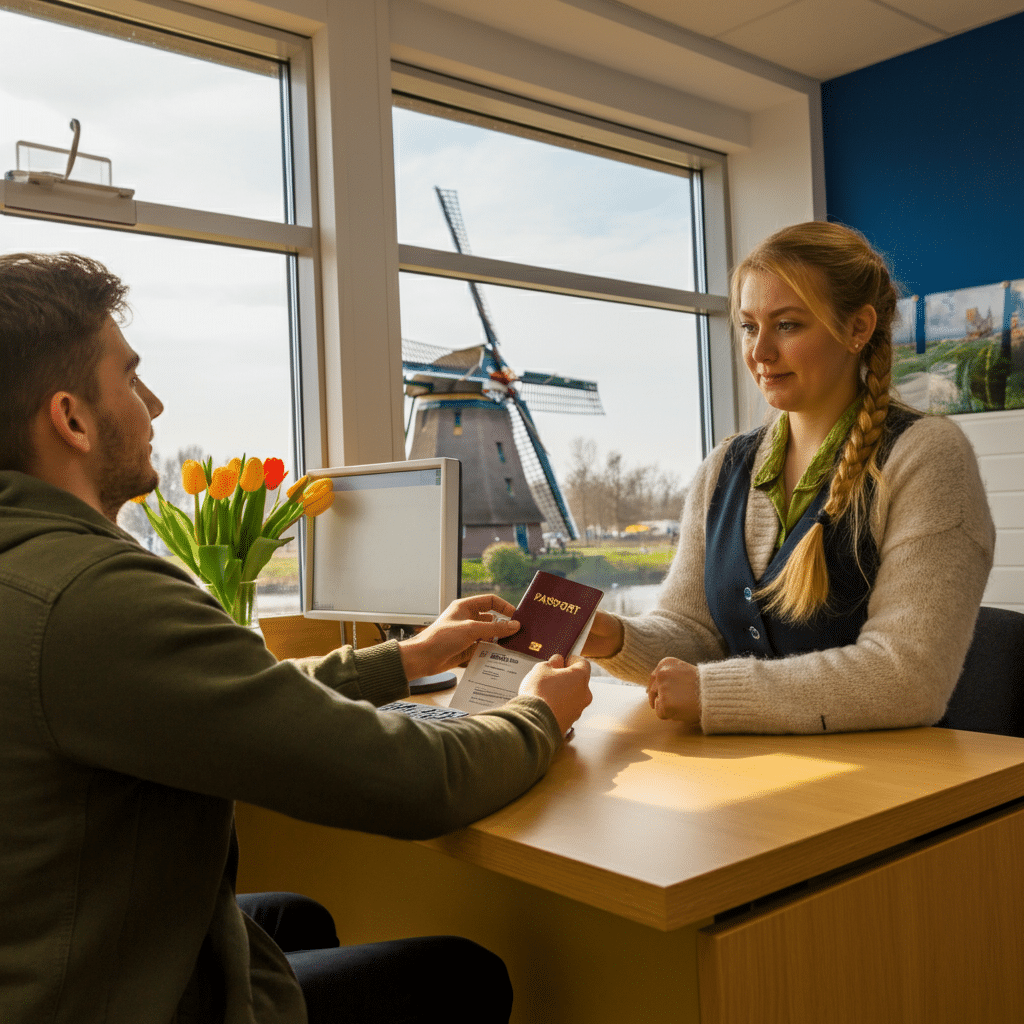
The Netherlands, with its picturesque canals, vibrant cities, and innovative spirit, is a top destination for travelers, students, and professionals from around the globe. Whether you’re planning a short visit to see the tulip fields or intending to build a new life here, understanding the visa system is your first crucial step. This guide will walk you through the main types of visas available, helping you find the right path for your journey.
Short-Stay Visa (Schengen Visa)
If your trip to the Netherlands is for 90 days or less within a 180-day period, you will likely need a Short-Stay Visa, also known as a Schengen Visa. This visa grants you access not only to the Netherlands but to all 27 countries in the Schengen Area.
- Purpose: Tourism, visiting family or friends, short business trips, or attending a conference.
- Eligibility: You must prove the purpose of your visit, have sufficient financial means to support yourself, and hold valid travel medical insurance. You also need to demonstrate your intention to leave the Schengen Area before your visa expires.
- Application Process: You typically apply at the Dutch embassy or consulate in your country of residence. The process involves filling out an application form, providing supporting documents, and possibly attending an interview. It’s wise to apply at least a few weeks, but no more than six months, before your planned travel date.
Long-Stay Visa (MVV) and Residence Permit
For stays longer than 90 days, you will need a long-stay visa, known as an Machtiging tot Voorlopig Verblijf (MVV). The MVV is an entry visa that allows you to travel to the Netherlands to collect your residence permit. Most non-EU/EEA citizens need both.
The application for an MVV and residence permit is often handled simultaneously through the Entry and Residence Procedure (TEV). Your sponsor in the Netherlands (such as an employer or educational institution) usually starts this process for you.
Let’s explore the most common reasons for needing a long-stay visa.
Work Visas
The Netherlands offers several routes for international talent to work in the country. The type of work visa you need depends on your skills, profession, and employment situation.
- Highly Skilled Migrant Visa: This is the most common route for professionals. Your employer must be a recognized sponsor by the Dutch Immigration and Naturalisation Service (IND). The key requirement is meeting a minimum salary threshold, which varies based on your age.
- Orientation Year Visa (Zoekjaar): Recent graduates from top international universities or those who have completed studies or research in the Netherlands can apply for this one-year visa. It allows you to live in the Netherlands and search for a job as a highly skilled migrant without needing an immediate job offer.
- Self-Employed Visa: For entrepreneurs wanting to start a business in the Netherlands. You must submit a comprehensive business plan that is assessed by the Netherlands Enterprise Agency (RVO) for its innovation and potential benefit to the Dutch economy.
Student Visas
To study at a Dutch educational institution for more than 90 days, you will need a student residence permit.
- Purpose: Full-time enrollment in a recognized university or educational institution.
- Eligibility: You must have a letter of acceptance from the institution. You also need to prove you have sufficient funds to cover your tuition fees and living expenses for the duration of your studies.
- Application Process: Your educational institution typically applies on your behalf. Once the application is approved, you will collect your MVV from the Dutch embassy in your home country and then travel to the Netherlands to receive your residence permit.
Family Reunification Visas
This visa allows you to join a family member (partner, spouse, or parent) who is living in the Netherlands.
- Purpose: To live with a family member who is a Dutch citizen or has a valid Dutch residence permit.
- Eligibility: The sponsoring family member in the Netherlands must meet specific income requirements to prove they can support you financially. The applicant may also need to pass a civic integration exam in their home country before applying. The requirements can vary depending on the relationship (e.g., married couple, registered partners, unmarried partners).
- Application Process: The sponsor in the Netherlands usually initiates the application with the IND.
Practical Tips for a Smooth Application
Navigating the visa process can feel complex, but preparation is key. Here are some tips to help you succeed:
- Start Early: Visa processing times can vary significantly. Begin your research and application well in advance of your planned departure date.
- Check Document Requirements: Each visa has a specific list of required documents. These often include a valid passport, passport photos, proof of financial means, insurance, and other supporting letters or certificates. Ensure all documents are up-to-date and, if necessary, officially translated and legalized.
- Be Honest and Accurate: Fill out all application forms truthfully. Any inconsistencies or false information can lead to a rejection and may impact future applications.
- Consult Official Sources: The most reliable information comes from the Dutch Immigration and Naturalisation Service (IND) and the Dutch embassies or consulates. Websites can change, so always double-check the latest rules.
By understanding these visa categories and preparing your application with care, you can make your dream of visiting or living in the Netherlands a reality.