



1. Introduction: What is Reporting to the Police and Why is it Important
Reporting to the police is a fundamental right for victims and witnesses of criminal offences in the Netherlands. In this guide, you will learn what reporting entails, when it is mandatory, and how you can report effectively.
Reporting a crime is the formal reporting of a criminal offence to the police, after which they draw up an official report. This can involve crimes such as theft, assault or burglary, but also offences such as traffic violations. For victims, reporting a crime is often the first step towards justice and recovery.
It is important to know how the reporting process works. You prepare by gathering relevant information, after which you report the crime to the police according to set steps. As reporting involves reporting a criminal offence, anyone who is a victim or witness can report it. After the report has been filed, a decision is made on what happens next, such as starting an investigation.
In this article, we will discuss:
- Key concepts and definitions relating to reporting a crime
- When reporting is mandatory versus voluntary
- Step-by-step guide to different reporting methods
- Common mistakes and how to avoid them
- Practical examples and frequently asked questions
The report begins when you file it with the police; this is the formal starting point of a possible police investigation and marks the beginning of the investigation process.
Whether you are the victim of a crime or a witness to a criminal offence, this guide will help you take the right steps. It is up to the victim or witness to decide whether they want to report the crime, except in cases where reporting is required by law.
Note the difference between reporting a crime and making a statement: it is important to determine whether it is a criminal offence before reporting it.
2. Reporting to the police Understanding: Key concepts and definitions
2.1 Key definitions
Reporting means formally reporting a criminal offence to the police, requesting active prosecution. The police will always draw up an official report, regardless of where in the Netherlands you report the offence. When reporting an offence, you must always provide your details to the police.
The difference between reporting a crime and making a report is crucial:
- When reporting a crime, you ask the police to start an investigation and prosecute the perpetrator
- When reporting, you only provide information to the police without this automatically leading to an investigation
- Reports can be made anonymously, but reports must always include your name and contact details
If you still have questions about the procedure or further developments after you have filed a report, you can contact the police.
Related terminology: Anyone can report a crime, including minors.
- Criminal offence: An act that is punishable by law
- Suspect: A person who may have committed the criminal offence
- Victim: Person who has suffered damage as a result of the crime
- Witness: A person who has seen the criminal offence or has relevant information
2.2 Conceptual relationships
Reporting a crime is the first link in a longer chain: report → police investigation → public prosecutor → court. After you have reported the crime, the police will keep you informed of the progress of the investigation. Not every report leads to prosecution – this depends on the evidence, the seriousness of the offence and capacity. The public prosecutor decides what happens to the case after the police have completed their investigation.
The process is linked to:
- Victim Support Netherlands for emotional and practical support
- Legal assistance from a solicitor in complex cases
- Criminal prosecution by the Public Prosecution Service
- Insurance claims for which you have often received a copy of the report for your insurance company
3. Types of offences you can report
In the Netherlands, you can report a wide range of criminal offences to the police. These include common crimes such as theft, burglary, assault or vandalism. However, it is also very important to report serious crimes such as murder, manslaughter or rape immediately. Sexual abuse is a particularly sensitive subject, but you can always contact the police about this too. They are trained to help victims of sexual abuse in a respectful and careful manner.
It is good to know that you can report more than just physical crimes. You can also contact the police in cases of digital crime, threats, fraud or other forms of criminal offences. Regardless of the type of crime, reporting it ensures that the police can investigate the offence and that you, as the victim, receive the appropriate support. Victim Support Netherlands is ready to guide you, both emotionally and practically, during and after the reporting process. This way, you can be sure that you are not alone and that you will receive the help you need.
3. Why reporting to the police is crucial for legal protection
Reporting a crime has several important functions for both the victim and society. According to CBS figures from 2023, more than 1 million reports are made each year, with approximately 40% leading to a prosecution file at the Public Prosecution Service.
Benefits for victims:
- Official recognition of the suffering endured
- Possibility of compensation through criminal proceedings
- Necessary for insurance claims in the event of theft or destruction
- Access to victim support and counselling
Social function:
- Crime registration for policy and prevention
- Law enforcement and deterrence of potential offenders
- Protection of other citizens against repetition
- By reporting the crime, the criminal proceedings can be initiated, ultimately leading to the perpetrators being punished.
In serious crimes such as murder, manslaughter or sexual abuse, reporting leads to an active investigation in 85% of cases. For property crimes such as theft, this percentage is around 25%, depending on the available evidence and clues.
Please note that the situation may have changed after the report was filed, for example due to new developments in the investigation.
4. Comparison table: Reporting vs Notification vs Anonymous Tip
| Type | When to use | Consequences | Deadlines | Conditions |
|---|---|---|---|---|
| Report | Victim of a criminal offence, mandatory for serious crimes | Official report, possible investigation and prosecution | No deadline, but urgent | Name and contact details required; rules have been established by the government for reporting crimes |
| Report | Suspicious situation, nuisance, preventive | Information in system, no automatic investigation | No deadline | Can be anonymous; government rules also apply here for reporting |
| Anonymous tip | Fear of reprisals, perpetrator is known | Forwarded to criminal investigation department without name | No time limit | Via Report Crime Anonymously (0800-7000); rules for anonymous tips apply |
5. Preparing to report a crime: what you need to know and take care of
Good preparation is essential when you want to report a criminal offence. Whether it is a serious crime such as murder, manslaughter or rape, or a misdemeanour such as theft or burglary, gathering the right information and documents will help the reporting process with the police run smoothly.
First of all, it is important to determine whether you are dealing with a situation in which reporting is mandatory. In the case of serious crimes, such as sexual abuse, murder or manslaughter, you are in some cases legally obliged to notify the police. In other cases, such as theft or vandalism, you can decide for yourself whether to report the crime. As a victim, you are always entitled to support from Victim Support Netherlands, which can guide you through the entire process.
Before you go to the police station or report the crime online, it is wise to gather all relevant information. This includes photos of the damage, camera footage, witness statements and a list of stolen or damaged items. Make sure you have your contact details, driving licence or passport to hand so that the police can establish your identity and record your details correctly in the official report.
Sometimes you may be unsure whether to file a report or simply make a notification. A notification is intended to inform the police about a criminal offence without immediately requesting criminal prosecution. In some cases, you can also make an anonymous notification, for example via Report Crime Anonymously, if you fear reprisals or if the perpetrator is someone you know.
As a victim, you always have the right to engage a solicitor. A solicitor can advise you on your rights, help you file a report and represent you in your dealings with the police and the judicial authorities. This is particularly advisable in complex or sensitive cases, such as sexual abuse or serious violent crimes.
Are you dissatisfied with the way the police are handling your report, or do you feel that your case is not being taken seriously? Then you can lodge an objection with the public prosecutor. You can also contact Victim Support Netherlands for advice and support in such cases.
By knowing in advance what you need to bring with you and what steps you can take, you can ensure that your report is recorded fully and correctly. This increases the chance of your case being handled successfully and ensures that your rights as a victim are optimally protected.
5. Step-by-Step Guide: Reporting a Crime to the Police
Step 1: Determine whether reporting is necessary
Mandatory reports in the following cases:
- Murder and manslaughter
- Kidnapping and hostage-taking
- Terrorist offences
- Crimes that threaten the state, such as terrorism or other threats to national security
- Serious sexual offences
- Certain violent offences against public officials
- Hate speech, where the police must be notified for a more severe punishment
Preparation checklist:
- Collect evidence: photographs, witness statements, receipts
- Note the time, place and circumstances
- Identify any witnesses and their contact details
- Make an inventory of stolen or damaged items
- Evidence may also include serial numbers, bank statements and registration numbers
Step 2: Choose the Right Method for Reporting
Online report via politie.nl for:
- Bicycle theft without violence
- Simple theft (not at home)
- Vandalism without major damage
- Certain types of fraud
After filing a report online or by telephone, you may receive official documents or correspondence by post.
By telephone via 0900-8844:
- Simpler property offences
- Scheduling a follow-up appointment
- Questions about the reporting procedure
At the police station: You can report a crime at the police station, but you must make an appointment first.
- Violent crimes and assault
- Burglary with traces
- Sexual offences
- Complex fraud
- When you need an interpreter
Emergencies: Always call 112 first in acute dangerous situations.
Step 3: Completing the reporting process
During the conversation, you can expect:
- Identification with passport or driving licence
- Detailed questionnaire about the incident
- Possible forensic investigation or photography
- You may be interviewed by the police as a witness or victim; your statement is very important for the criminal proceedings.
- Duration: 30 minutes to 2 hours, depending on complexity
Bring important documents with you:
- Proof of identity
- Proof of ownership (receipts, warranty certificates)
- Medical reports in case of injuries
- Screenshots in cases of online crime
- In some cases, you can provide a different address to protect your privacy.
Completion:
- Check the report carefully before signing
- Request a copy for insurance and your own records
- Discuss next steps and contact options
- Inquire about victim support for traumatic experiences
8. During the Report: What to Expect
When you report a crime to the police, you can expect to be questioned extensively about the offence. The police will ask you to describe what happened in as much detail as possible: when did it take place, where were you, who was involved and what did you observe yourself? You will also be asked about any witnesses and their contact details, so that the police can strengthen their investigation.
In addition, the police will ask questions about the suspect. If you know who the suspect is, you will be asked for their name, address, relationship to you and other relevant information. Do not be afraid to say if you are afraid of the suspect or feel unsafe. The police can then take immediate measures to protect you, such as providing extra security or calling in victim support. It is important to be honest and thorough, so that the police can get a good picture of the situation and investigate the offence as thoroughly as possible.
9. After reporting the crime: What happens next and what are your rights?
After you have filed a report, the police will start an investigation into the crime. This investigation may consist of gathering evidence, interviewing witnesses and identifying the suspect. Once the police have gathered sufficient information and identified a suspect, they can be arrested. The file is then transferred to the Public Prosecution Service, which decides whether to prosecute the suspect and start criminal proceedings.
As a victim, you are entitled to information about the progress of the investigation and the prosecution. You may be kept informed of important developments, such as the arrest of the suspect or the decision of the Public Prosecution Service. You also have the right to engage a solicitor to assist you during the criminal proceedings. This will strengthen your position and ensure that your interests are properly represented.
10. Follow-up and support after reporting the crime
After reporting the crime, it is important to know that you are not alone as a victim. Victim Support Netherlands offers both emotional and practical support. They can help you process what has happened, fill in forms, apply for compensation and find a suitable solicitor. They can also guide you in your contact with the police and the Public Prosecution Service, so that you always know where you stand.
It is good to know that you are entitled to compensation if you have suffered financial or other damage as a result of the criminal offence. Victim Support can advise you on the options available and help you file a claim. This means you not only receive emotional support, but also practical help to deal with the consequences of the crime as effectively as possible.
10.1 Victim Support and Emotional Support
Victim Support Netherlands is specifically for people who have been victims of a criminal offence. They offer a wide range of services, from emotional support to practical and legal assistance. You can contact them for a listening ear, advice about your rights and guidance in dealing with the police, the Public Prosecution Service or a solicitor.
Victim Support helps you understand exactly what happened and how best to move forward. They can also put you in touch with other agencies that can support you, depending on your situation. The most important thing to know is that you are not alone: help is always available, regardless of the severity of the crime. Whether you need someone to talk to, legal assistance or practical help, Victim Support Netherlands is there for you.
6. Avoiding common mistakes when reporting a crime
Mistake 1: Waiting too long to report the crime For offences such as simple assault or insult, there is a deadline of 8 days after the incident. Do not wait too long, because evidence disappears and witnesses forget details.
Mistake 2: Providing incomplete information Always give as complete a account as possible of what happened. Include all relevant details, even if they seem unimportant. The police will determine what is relevant to the investigation. Do not conceal anything out of shame or fear.
Mistake 3: Signing the report without checking it Read the report thoroughly before signing it. Inaccuracies can complicate the investigation and any prosecution later on.
Pro tip: Make notes in advance of what happened. In stressful situations, it is easy to forget important details. Take these notes with you to the police station to ensure your report is complete.
7. Practical example: Reporting a burglary
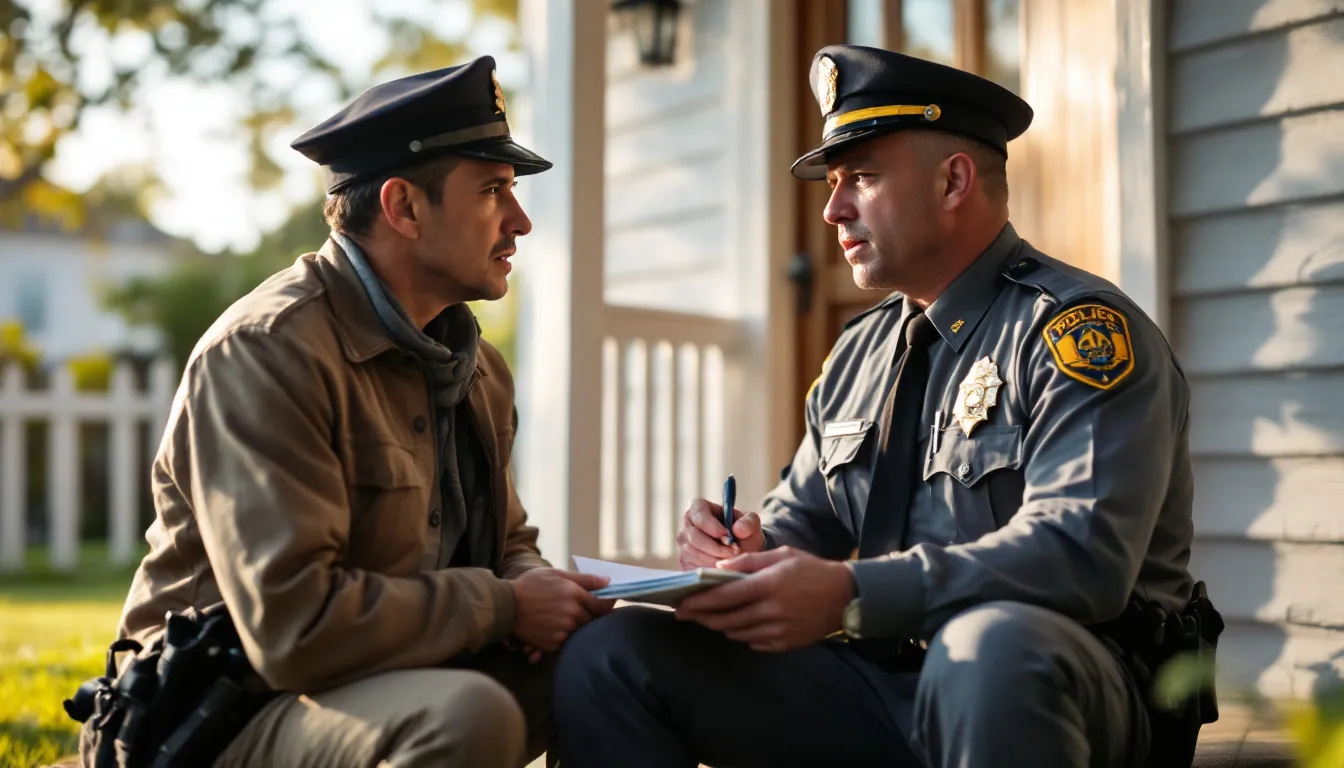
Case: The Jansen family discovers a burglary on Sunday, 15 October 2023
After the report was filed, the case was investigated by the police, and evidence such as a copy of the report and the police investigation were added to the file.
Initial situation
The Jansen family returns home from a weekend away and discovers that the back door has been broken open. The television, laptop and jewellery have been stolen. Value of damage: €3,500.
Steps taken
| Time | Action | Result |
|---|---|---|
| 16:30 | Called 112, did not enter the house | Police arrived on the scene within 20 minutes |
| 17:00 | Forensic investigation by technical investigators | Fingerprints found at back door |
| 18:30 | Report filed at police station with list of stolen goods | Official report drawn up |
| 19:30 | Contacted insurance company with report number | Claim submitted |
After the investigation, the police decide how to proceed with the case, for example whether to conduct further investigation or refer the case to the public prosecutor.
Final result
- Suspect identified by fingerprints within 3 weeks
- Some of the stolen goods recovered during a search
- Insurance paid out full compensation thanks to timely reporting
- Suspect sentenced to 6 months in prison
Success factors: Immediate reporting, not entering the house (preserving evidence), complete inventory of stolen goods, copy of report sent to insurance company.
8. Frequently asked questions about reporting to the police
Q1: Can I withdraw my report after I have signed it?No, a report cannot be withdrawn. Only in the case of offences that require a complaint (such as simple assault) can you withdraw your complaint within 8 days, which will stop the prosecution.
Q2: How long does it take for the police to contact me?For violent crimes and serious offences, within 24 hours. For property crimes, you will receive notifications about important developments via Mijn Politie. No news often means that there are no new leads. If you have filed a report, you will also receive updates on the progress of the investigation.
Q3: Can I report something that happened abroad?Under certain conditions, yes, for example if the suspects are Dutch or if you are Dutch. Contact the police enquiries department for advice about your specific situation.
Q4: Can someone accompany me to the police station?Yes, a confidant or solicitor may always accompany you during the interview. In the case of minors, this is even mandatory. Please request this in advance so that there is sufficient space.
Q5: What if I am dissatisfied with the handling of the case?You can file a complaint with the police themselves or with the National Ombudsman. If you are dissatisfied with the decision of the Public Prosecution Service, you can file an objection.
Q6: Where can I go in cases of sexual abuse?In cases of sexual abuse, you can contact the vice squad. This department specialises in sexual offences and can help you file a report or ask questions.
9. Conclusion: Key points for reporting to the police
Five key points to remember:
- Timely action: Report a crime as soon as possible after it has been committed in order to secure evidence and witness statements
- Correct method: Choose online for simple offences, go to the police station for violent or complex cases
- Complete information: Provide all relevant details and bring evidence with you
- Check carefully: Read the report thoroughly before signing
- Keep documents: Keep a copy of the report for insurance and follow-up procedures. If you disagree with a decision, send a letter or objection to the appropriate authority.
Next steps: Do you have questions about a specific situation? Contact the police on 0900-8844 for personal advice. For emotional support, contact Victim Support Netherlands on 0900-0101.
Reporting a crime is your right and often the first step towards justice. Don’t let fear or uncertainty hold you back, the solicitors at Law & More can offer you support.