




Revenge porn and digital stalking are tearing through lives in the Netherlands, making victims feel powerless in their own online spaces. Here’s something that might surprise you. Dutch law now lets courts issue digital restraining orders that cut offenders off from all electronic contact, including social media and messaging apps. Most think screenshots and complaints are all you can do. In fact, specialised cybercrime units and comprehensive legal protections put powerful tools in the hands of victims, flipping the script on online abusers.
Table of Contents
Quick Summary
| Takeaway | Explanation |
| Comprehensive Legal Safeguards Exist | The Netherlands enforces strong protections against revenge porn and digital stalking, enabling victims to pursue prosecution and obtain restraining orders across digital platforms. |
| Robust Evidence Collection Strategies | Specialized cybercrime units are equipped to gather and analyse digital evidence, adapting to the intricacies of online harassment cases for successful prosecution. |
| Immediate Legal Interventions for Victims | Victims can document harassment instances and utilize various legal channels such as filing complaints and requesting restraining orders for immediate protection. |
| Preventive Digital Safety Measures | Individuals should implement strong privacy practices and utilize protective tools, such as two-factor authentication and VPNs, to safeguard against potential online threats. |
| Support Resources Available | Victims can access counselling services, legal clinics, and specialised support organisations that offer guidance and emotional assistance in navigating the aftermath of digital harassment. |
Understanding Revenge Porn and Digital Stalking Laws
The digital era has transformed how personal violations occur, introducing complex legal challenges around online harassment and intimate privacy. Revenge porn and digital stalking represent serious modern criminal offences that can devastate victims’ personal and professional lives.
The Legal Framework of Digital Intimate Violations
Netherlands criminal law has progressively adapted to address emerging digital threats. Revenge pornography and digital stalking are now recognized as severe violations of personal autonomy and dignity. The legal system understands these are not trivial infractions but profound breaches that can cause significant psychological harm.
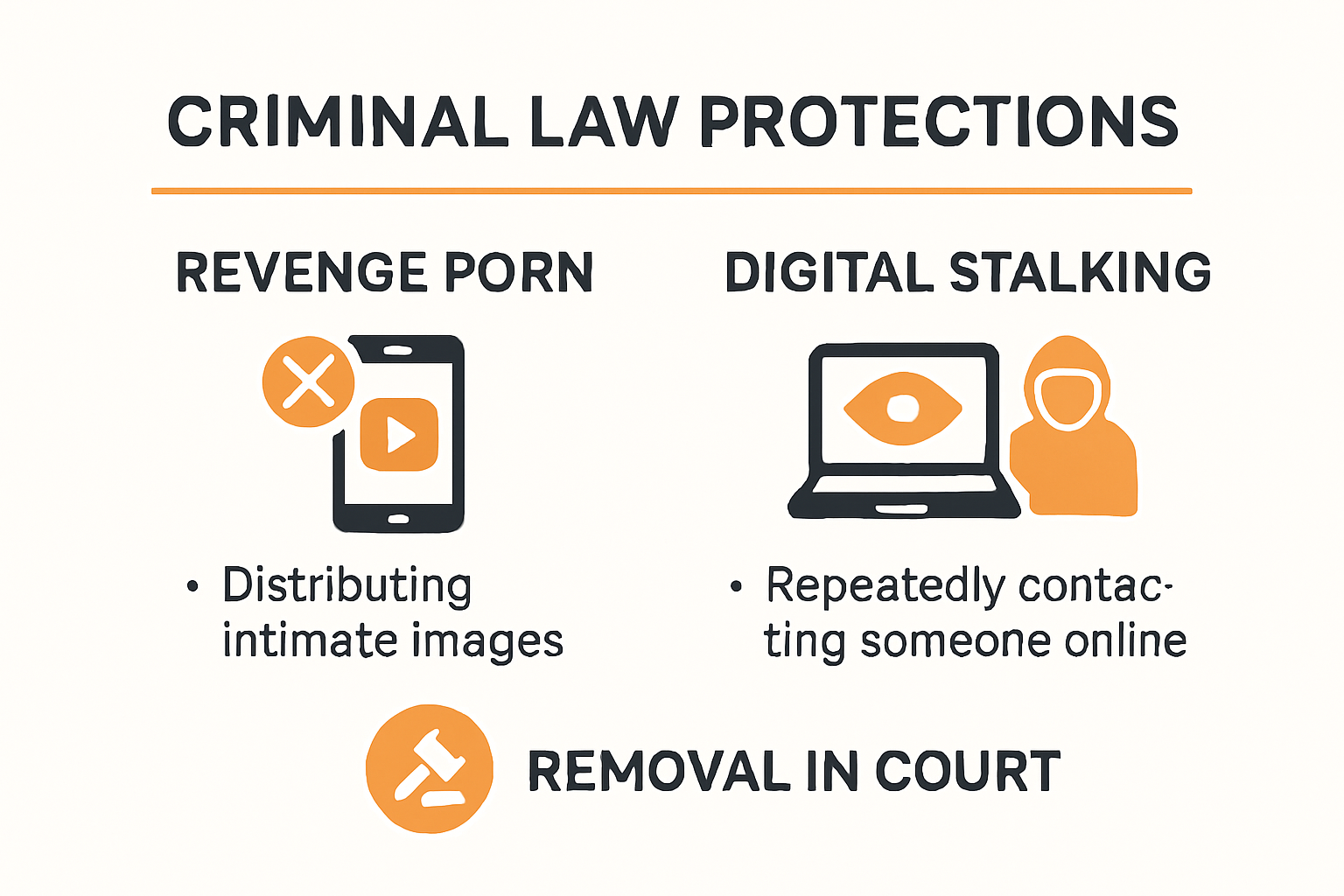
Legislation specifically criminalizes the non-consensual sharing of sexually explicit images or videos, recognizing that digital platforms can become weapons of psychological violence. Perpetrators who distribute intimate content without consent face substantial legal consequences, including potential imprisonment and significant financial penalties.
Defining Digital Harassment in Legal Terms
Digital harassment encompasses a broad spectrum of malicious online behaviors. This includes persistent unwanted digital communication, systematic online tracking, publishing private information, and creating digital environments designed to intimidate or embarrass victims. The law recognizes that these actions can cause profound emotional distress, even when no physical contact occurs.
The legal definition extends beyond simple image sharing. It includes creating fake social media profiles, sending threatening messages, systematically monitoring someone’s online activities, and using technological tools to intrude into personal digital spaces.
Criminal Prosecution and Victim Protection
Criminal prosecution for digital harassment has become more sophisticated. Prosecutors can now pursue cases involving complex digital evidence, tracking IP addresses, examining communication logs, and analyzing digital interaction patterns. The burden of proof has evolved to recognize the nuanced ways technology can be weaponized against individuals.
Victims receive enhanced legal protections, including anonymity provisions, restraining orders that extend into digital domains, and specialized support services. The legal system increasingly understands that digital violations can be as traumatizing as physical confrontations, requiring comprehensive and sensitive legal responses.
The Netherlands has positioned itself at the forefront of addressing these emerging digital criminal challenges. By continuously updating legal frameworks, investing in technological forensic capabilities, and providing robust victim support, the country demonstrates a commitment to protecting individual dignity in an increasingly complex digital landscape.
Criminal Law Protection for Victims in the Netherlands
The Dutch legal system has developed comprehensive mechanisms to protect victims of digital harassment and online intimate violations. These protections go beyond traditional legal remedies, recognizing the unique psychological and emotional challenges posed by technological forms of abuse.
Comprehensive Legal Safeguards
Netherlands criminal law provides robust protection for victims of revenge porn and digital stalking. The legal framework acknowledges that digital violations can cause profound psychological trauma, equivalent to physical forms of harassment. Victims are entitled to multiple layers of legal protection, including criminal prosecution, restraining orders, and civil remedies.
Specialized legal provisions enable victims to seek immediate interventions. Courts can issue digital restraining orders that prohibit perpetrators from contacting victims through any electronic means. These orders extend to social media platforms, messaging applications, and other digital communication channels, creating a comprehensive shield against potential harassment.
To clarify the types of legal protections available to victims, the following table summarises the key remedies and interventions mentioned in this section.
| Type of Legal Protection | Description | Scope of Application |
| Criminal Prosecution | Bringing offenders to court for revenge porn or digital stalking | Fines, imprisonment, permanent record |
| Digital Restraining Orders | Court-ordered ban on all digital contact and communication | Social media, messaging, emails |
| Civil Remedies | Lawsuit for damages caused by digital harassment | Financial compensation |
| Content Removal Orders | Legal requirement to remove non-consensual content from online platforms | Websites, ISPs, social networks |
| Anonymity Provisions | Legal protection of victim identity during proceedings | Court, public records |
Victim Support and Legal Recourse
Victims have multiple avenues for seeking justice and protection. Criminal proceedings can result in significant penalties for perpetrators, including substantial fines and potential imprisonment.
The legal system offers additional support mechanisms. Victims can request the immediate removal of non-consensual intimate content from online platforms. Courts can compel internet service providers and social media platforms to delete and block access to harmful content. This proactive approach helps minimize the potential long-term damage caused by digital harassment.
Evidence Collection and Prosecution
Modern legal strategies have evolved to address the complexities of digital evidence. Specialized cybercrime units within law enforcement agencies are trained to collect and analyze digital forensic evidence. This includes tracking IP addresses, examining communication logs, and reconstructing digital interaction patterns that demonstrate systematic harassment.

Prosecutors now have sophisticated tools to build comprehensive cases against digital stalkers and revenge porn perpetrators. The burden of proof has been adapted to recognize the nuanced ways technology can be weaponized against individuals. Digital communication records, metadata, and online interaction patterns can serve as crucial evidence in criminal proceedings.
The Netherlands continues to demonstrate a progressive approach to victim protection. By continuously updating legal frameworks, investing in technological forensic capabilities, and providing comprehensive support services, the country ensures that victims of digital harassment receive robust legal protection. This holistic approach recognizes that protecting individual dignity requires more than traditional legal remedies—it demands a comprehensive, technology-aware strategy that addresses the complex realities of modern digital interactions.
Legal Steps for Individuals and Businesses
Navigating the complex landscape of digital harassment requires strategic legal approaches for both individuals and businesses. Understanding the precise legal mechanisms available is crucial for effective protection and response to online violations.
Immediate Legal Interventions for Victims
Individuals facing revenge porn or digital stalking have several immediate legal interventions at their disposal. The first critical step involves documenting all instances of harassment, preserving digital evidence such as screenshots, messages, and communication logs. These records become fundamental in building a robust legal case.
Victims can pursue multiple legal channels simultaneously. This includes filing criminal complaints with local law enforcement, requesting digital restraining orders, and initiating civil proceedings for damages. The legal system recognizes that digital harassment can cause substantial psychological harm, allowing comprehensive compensation claims.
The following table outlines the main legal steps individuals and businesses should consider when confronted with digital harassment, as described in this section.
| Step | Individuals | Businesses/Organisations |
| Evidence Documentation | Save screenshots, logs, messages | Maintain incident logs, collect digital records |
| File Criminal Complaint | Report incident to police | Report to authorities, involve data protection |
| Seek Restraining Orders | Request digital restraining order | Request company-wide digital restrictions |
| Civil Proceedings | Sue for damages | Civil action for harm to business reputation |
| Implement Protective Measures | Privacy settings, security tools | Cybersecurity policies, staff training |
| Content Removal Requests | Ask courts/platforms to remove content | Coordinate removal with ISPs/platforms |
Protective Measures for Businesses and Organizations
Businesses face unique challenges in protecting their digital environments and employees from online harassment. Corporate entities must develop comprehensive digital harassment prevention policies that outline clear reporting mechanisms and legal response protocols.
Companies can take proactive legal steps such as implementing strict digital communication guidelines, conducting regular cybersecurity training, and establishing clear consequences for online misconduct. These measures not only protect employees but also demonstrate organizational commitment to maintaining a safe digital workspace.
Legal Strategies and Evidence Collection
Successful legal action against digital harassment requires meticulous evidence collection and strategic legal planning. Specialized digital forensics experts can help victims and businesses collect critical electronic evidence, tracking IP addresses, analyzing communication patterns, and reconstructing digital interaction histories.
Legal professionals recommend a multi-pronged approach. This includes potential criminal prosecution, civil litigation for damages, requesting court-mandated content removal, and seeking injunctions against perpetrators. The Dutch legal system provides flexible mechanisms to address the evolving nature of digital harassment.
The Netherlands continues to demonstrate leadership in addressing digital violations. By offering comprehensive legal protections, supporting advanced forensic capabilities, and recognizing the profound impact of online harassment, the country provides robust frameworks for individuals and organizations to defend their digital dignity and personal boundaries.
Preventive Measures and Support Resources
Preventing digital harassment requires a proactive and multifaceted approach that combines technological awareness, legal knowledge, and personal safety strategies. Understanding and implementing comprehensive preventive measures can significantly reduce the risk of becoming a victim of revenge porn or digital stalking.
Digital Safety and Personal Protection Strategies
Personal digital security begins with robust online privacy practices. Individuals must carefully manage their digital footprint, understanding that seemingly innocuous online interactions can potentially be weaponized by malicious actors. This involves implementing strong privacy settings across social media platforms, using two-factor authentication, and being cautious about sharing personal or intimate content online.
Technology offers numerous protective tools. Virtual private networks (VPNs), encrypted messaging applications, and advanced privacy settings can create additional layers of digital protection. Users should regularly update their devices, use strong and unique passwords, and be vigilant about potential phishing attempts or suspicious digital communications.
Institutional and Professional Support Networks
Organizations and support networks play a crucial role in preventing and addressing digital harrassment. Professional support services provide crucial guidance, offering emotional support, legal advice, and practical strategies for victims.
Workplaces and educational institutions can implement comprehensive digital harassment prevention programs. These initiatives should include regular training sessions, clear reporting mechanisms, and supportive policies that create safe digital environments. By fostering a culture of respect and digital awareness, organizations can significantly reduce the risk of online harassment.
Legal and Psychological Intervention Resources
Multiple support resources are available for individuals experiencing digital harassment. Specialized counseling services provide psychological support, helping victims process trauma and develop coping strategies. Legal clinics offer free consultations, guiding individuals through potential legal interventions and protection mechanisms.
Victim support organizations provide comprehensive assistance, including evidence collection guidance, legal referral services, and emotional support networks. These resources understand the complex psychological impact of digital violations and offer holistic support approaches that address both immediate safety concerns and long-term recovery.
The Netherlands continues to develop sophisticated prevention and support ecosystems. By integrating technological solutions, legal protections, and comprehensive support services, the country demonstrates a progressive approach to combating digital harassment. The emphasis remains on empowering individuals, creating robust institutional support mechanisms, and continuously adapting to emerging digital challenges.
Frequently Asked Questions
What legal protections are available for victims of revenge porn in the Netherlands?
Victims of revenge porn in the Netherlands can seek various legal protections, including criminal prosecution of offenders, digital restraining orders to prohibit contact, civil remedies for damages, and content removal orders requiring the deletion of non-consensual material from online platforms.
How does Dutch law define digital harassment?
Dutch law defines digital harassment as a range of malicious behaviours online, including persistent unwanted communication, systematic tracking, and sharing of private information. It also encompasses creating fake profiles and threatening messages that can cause emotional distress to victims.
What steps should I take if I am a victim of digital stalking?
If you are a victim of digital stalking, begin by documenting all instances of harassment. Preserve digital evidence such as screenshots and messages, then report the incident to local law enforcement and consider seeking a restraining order or pursuing civil action for damages.
Are there support services available for victims of online harassment in the Netherlands?
Yes, the Netherlands offers numerous support services for victims of online harassment, including counselling services, legal clinics for guidance on legal options, and specialised organisations that provide emotional support and assistance with evidence collection.
Ready to Reclaim Your Online Safety and Dignity?
Online harassment can strip away your sense of control and privacy. As highlighted in this article, the trauma of revenge porn and digital stalking is not only real but devastating. Victims in the Netherlands now face complex legal challenges, including the urgent need to safeguard digital evidence, apply for restraining orders, and ensure swift content removal. Navigating this fast-changing legal landscape alone may leave you feeling overwhelmed and unprotected.
At Law & More, our experienced team understands the deep impact these violations cause. We stand ready to guide individuals and businesses through every step, from preserving critical evidence to initiating legal proceedings for your protection. If you want to explore tailored legal strategies or need immediate help, visit Law & More today. Do not let online abuse decide your future. Take back control and contact us now to secure the justice and peace of mind you deserve.