


Shipping items overseas can be a real challenge. One paper stands out as your lifeline – the bill of lading. This document works as proof of shipment, a firm agreement between the shipper and the carrier, and even as evidence of who owns the goods. At Law & More, we help clients sort through the twists and turns of international trade law, whether it involves Dutch rules or global regulations.
What a Bill of Lading Is and Why It Matters
A bill of lading isn’t just a piece of paper; it is a legal record created by the carrier for the shipper. It spells out the type, quantity, and destination of the goods being moved. In effect, it seals the deal between the shipper and the carrier. The document accompanies the shipment and must be signed by key representatives from the carrier, the shipper, and the receiver. One bill of lading wears several hats – it acts as a receipt confirming that the carrier got the goods as described, as proof of the shipping agreement, and as a document of title so that the rightful owner can claim the shipment on arrival.
For any business that ships internationally, grasping how a bill of lading works is more than just handling paperwork – it is about managing risks. A well-prepared bill of lading smooths customs clearance, speeds up payment through banks, and builds a legal shield in case disputes arise.
Why the Bill of Lading Truly Matters
This document is key. It is more than a stack of pages because it lays out who is responsible, who owns the goods, and who might be held liable if something goes wrong during transit. Without it, proving ownership or dealing with damages could become a serious headache. Exporters count on the bill of lading as proof that the carrier accepted the goods in good shape and is set to deliver them to the right destination; this evidence is critical when banks require shipping documents before releasing funds. Importers see it as their ticket to claim the goods at the port – only the original document, in the case of negotiable bills of lading, lets them pick up their shipment. Legally, this document sets out the terms for shipping, spells out who is liable at each step, and often includes big names like the Hague-Visby Rules or the Rotterdam Rules, which become a lifesaver if cargo is damaged or lost.
A Closer Look at the Key Sections of a Bill of Lading
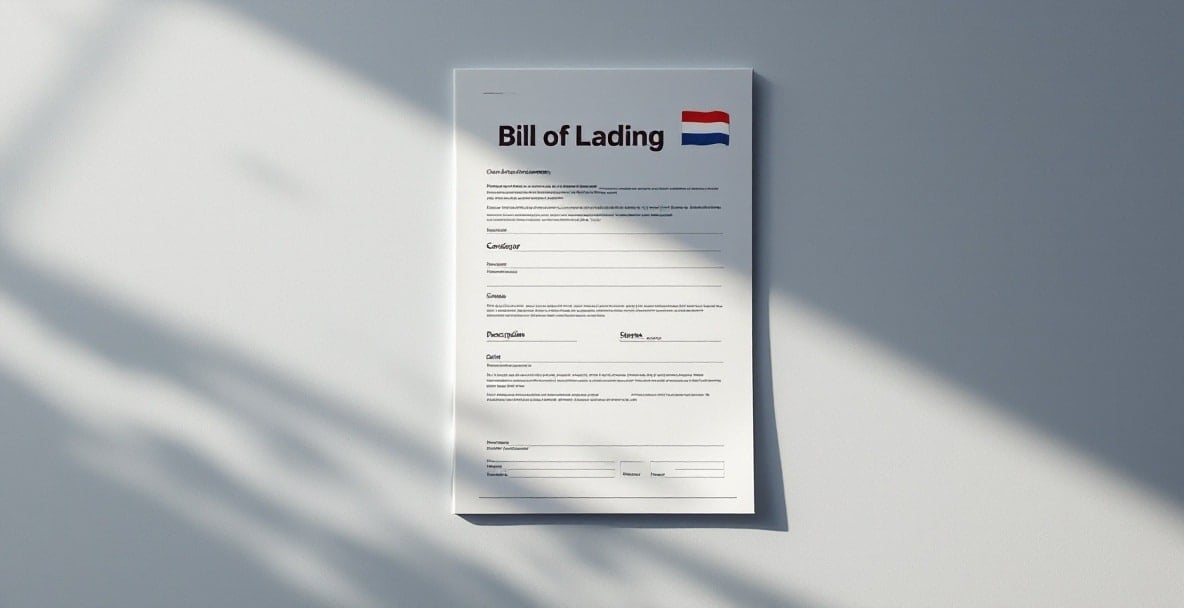
Getting a grip on all the parts of a bill of lading is important if you’re involved in global trade. Every section carries weight and needs careful checking when the document is prepared or reviewed. The shipper information names the sender – usually the seller or exporter – and includes full details like name and address, which is crucial for smooth processing. Next, the consignee details show who will pick up the shipment; sometimes this area lists a bank or simply says "to order" if the final recipient is not decided yet, and this part is vital for ensuring the right party claims the goods. The notify party is the contact who gets alerted when the shipment lands – often the same as the consignee or perhaps a customs broker – and it is important for timely updates about the movement of your cargo.
The goods description lays out what is being shipped, including quantity, weight, size, and any special handling needs; this detail must be accurate and complete because it affects customs, freight charges, and liability. Shipping marks and numbers help pinpoint specific packages in larger shipments, especially during partial container loads or break-bulk transport, which is essential for tracking. Information on the vessel and voyage shows which ship is carrying your goods and its unique voyage number, playing a key role in maintaining traceability. The ports of loading and discharge tell you where the goods are loaded and dropped off, and these spots are critical for legal clarity in any dispute. Finally, details on freight and charges explain who pays for shipping – for example, "freight prepaid" means the shipper has settled the cost, while "freight collect" puts the expense on the consignee; this section is important for budgeting and accountability.
A Closer Look at the Essential Details
The straight bill of lading is non-negotiable and names one specific consignee, making it suitable for secure transactions when payment is already arranged or when shipping to trusted partners. In contrast, the order bill of lading is negotiable and can be endorsed so that ownership changes hands; this flexibility is valuable for trade finance and commodity trading. Then there is the bearer bill of lading, which transfers rights to whoever holds it – though due to security concerns, it is rarely used in modern trade. When the goods are received in good order, the bill is termed "clean," meaning there is no visible damage; if issues are noted during loading, it becomes a claused or dirty bill, and banks prefer clean bills because they help ensure seamless payment processing – these conditions are ideal for a hassle-free transaction. For shipments that use more than one mode of transport, a multimodal or combined bill of lading covers the entire journey, making it excellent for complex shipping routes.
The Bill of Lading Journey: From Creation to Delivery

A bill of lading goes through a clear, step-by-step process that keeps track of every detail along the way. Understanding this journey helps every party play their part correctly, and it is a step-by-step journey that protects both the shipper and the receiver.
Creating and Issuing the Bill
It all starts when the shipper sends detailed shipping instructions to the carrier. These instructions cover the cargo description, any special requirements, and all the people involved, so getting every detail right from the start is crucial because even small mistakes can cause major headaches later. Once the carrier receives these instructions along with the goods, they produce the bill of lading – usually in several original copies, often three, with each one holding the same legal power; in most cases, one original is enough to claim your goods, which is key for legal compliance. Carriers these days often send a draft version first for the shipper to check, giving you a chance to review all details and request changes if needed, and this review step is essential for avoiding risks. When everything checks out, the final bill is issued and forwarded to the buyer or the buyer's bank as outlined in the sales contract – in letter of credit deals, this document is added to the package that gets the bank to start the payment process, making it vital for ensuring payment.
Passing the Document Along
The journey of the bill of lading matters just as much as moving the goods. For negotiable bills, the document must be properly signed over – a process called endorsement – to make sure ownership rights pass securely. This is critical for protecting your interests. Banks sometimes hold onto the bill as collateral in trade finance deals and will only release it when payment is met, which helps protect sellers from shipping goods without guarantee of payment. When the shipment arrives at its destination port, the person in possession of the original bill of lading presents it to the carrier to collect the shipment. The carrier then verifies its authenticity before handing over the cargo. On occasions when the original document is delayed, a letter of indemnity might be used instead, though this method carries extra risks; this step is crucial for safe delivery. As trade goes digital, electronic bills of lading (eBL) are becoming more common. These digital versions function like paper documents, boosting efficiency and cutting down risks of delays or fraud. However, since legal acceptance differs by region, local rules must be watched closely; indeed, the Netherlands has made a move by announcing that electronic bills have the same legal weight as paper versions, which is excellent news for smoother trade.
Common Pitfalls and How to Sidestep Them
Even with a long history and clear procedures, the bill of lading process can still run into problems that slow down trade and spark disputes. Knowing what can go wrong is the first step to keeping issues at bay, and it is important to stay alert.
Common Mistakes and Miscommunications
A typical problem is writing down an inaccurate description of the cargo. When the goods do not match what is on paper, customs can be delayed, freight costs might be wrong, and even insurance claims can get tangled. To avoid these headaches, shippers must provide detailed, correct descriptions and check them on the draft bill of lading – a step that is vital for smooth operations. Mistakes in party details, like misspelled names or incomplete addresses, can also cause big issues, especially if they affect who is meant to receive the goods; these errors may stop the rightful owner from claiming the shipment, so it is crucial to review every detail. Sometimes the dates don’t match either. When the bill’s date differs from other documents or the on-board date conflicts with the sales contract, problems can pop up in letters of credit and lead to disputes. Clear communication about timing is essential to avoid these pitfalls. There are times when the original bill of lading arrives too late – goods come in before the document, causing extra fees like demurrage and storage, and smart planning with realistic timelines or electronic options can help; research by McKinsey shows that going digital could save billions and speed things up, which is game-changing for modern trade.
Legal Hurdles and Dispute Areas
Bills of lading often include rules from international agreements such as the Hague-Visby or Rotterdam Rules, and misunderstanding these terms can lead to the wrong expectations about a carrier’s liability or time limits for claims – getting advice from maritime law experts is essential for clarity. Disputes can also arise if goods marked as "clean" show damage upon arrival; determining when and how the damage happened is vital. Thorough inspections, proper documentation, and careful packaging all play a role in building your case, and these steps are important for dispute prevention. Because a bill of lading acts as proof of ownership, it can be a target for fraud if someone forges or transfers it without permission; that is why strict verification and working with reputable shipping partners are crucial to prevent fraud. When things go wrong, questions about which laws apply or where disputes should be settled can muddy the waters. Bills of lading usually have clauses to set the legal framework and jurisdiction, so it is important to know your legal footing before you sign on.
Wrapping It Up: Mastering Bills of Lading with Confidence
A bill of lading is more than paper; it is the backbone of international trade. By serving as a receipt, a contract, and proof of ownership, it keeps global commerce moving while managing the risks of shipping goods across borders. For any business involved in international trade, knowing how to handle a bill of lading is not just a bonus – it is absolutely essential.
At Law & More, we know shipping documents can be complicated. Our friendly experts work with you to understand your rights, obligations, and the legal ins and outs of different bills of lading under both Dutch and international law. With offices in Eindhoven and Amsterdam, we offer clear and accessible advice in several languages and take pride in making sure you get the trustworthy guidance you need.
Need expert guidance on bills of lading or other aspects of international trade law? Contact our multilingual team at Law & More B.V. today to schedule a consultation. With our personal approach and commitment to your business interests, we'll help you navigate shipping documentation with confidence and security.