



Remote work in the Netherlands is more than just a workplace trend. Around 38 percent of Dutch employees now regularly work from home, making it a major part of everyday professional life. Most people think it is just a matter of taking your laptop home and settling in, but Dutch law treats remote work as a formal arrangement, packed with legal requirements and rights that might surprise you.
Table of Contents
- Defining Working From Home: Legal Context And Importance
- Key Legal Rights And Responsibilities For Remote Workers
- Employer Obligations: Creating A Safe Remote Work Environment
- Data Protection And Privacy Laws Impacting Remote Work
- Future Trends In Remote Work Regulations In The Netherlands
Quick Summary
| Takeaway | Explanation |
|---|---|
| Establish formal agreements for remote work. | Document structured agreements about remote work conditions to ensure clarity between employees and employers. |
| Ensure ergonomic and safe workspaces. | Employers must assess home workspaces for safety and provide necessary equipment to promote employee well-being. |
| Protect employee data privacy and rights. | Adhere to strict data protection laws to safeguard employees’ personal information in remote work setups. |
| Maintain clear communication channels. | Employers should establish open communication protocols to support productivity and employee engagement remotely. |
| Adapt to future regulatory changes. | Stay informed about evolving regulations that accommodate new technologies and flexible work models, ensuring compliance and relevance. |
Defining Working from Home: Legal Context and Importance
The Dutch legal framework surrounding remote work has undergone significant transformation, reflecting the evolving nature of professional environments. Working from home represents more than a temporary arrangement it is now a structured employment approach with comprehensive legal considerations.
Legal Definition of Remote Work
In the Netherlands, working from home is legally defined as a formal employment arrangement where employees perform their professional duties from a designated home workspace. This definition extends beyond occasional flexibility, encompassing structured agreements between employers and employees regarding workspace, equipment, productivity expectations, and potential compensation.
Key characteristics of legally recognized remote work include:
- Formal agreement documented in employment contract
- Designated workspace meeting occupational health standards
- Clear performance and communication expectations
- Specific technological infrastructure requirements
Employer and Employee Responsibilities
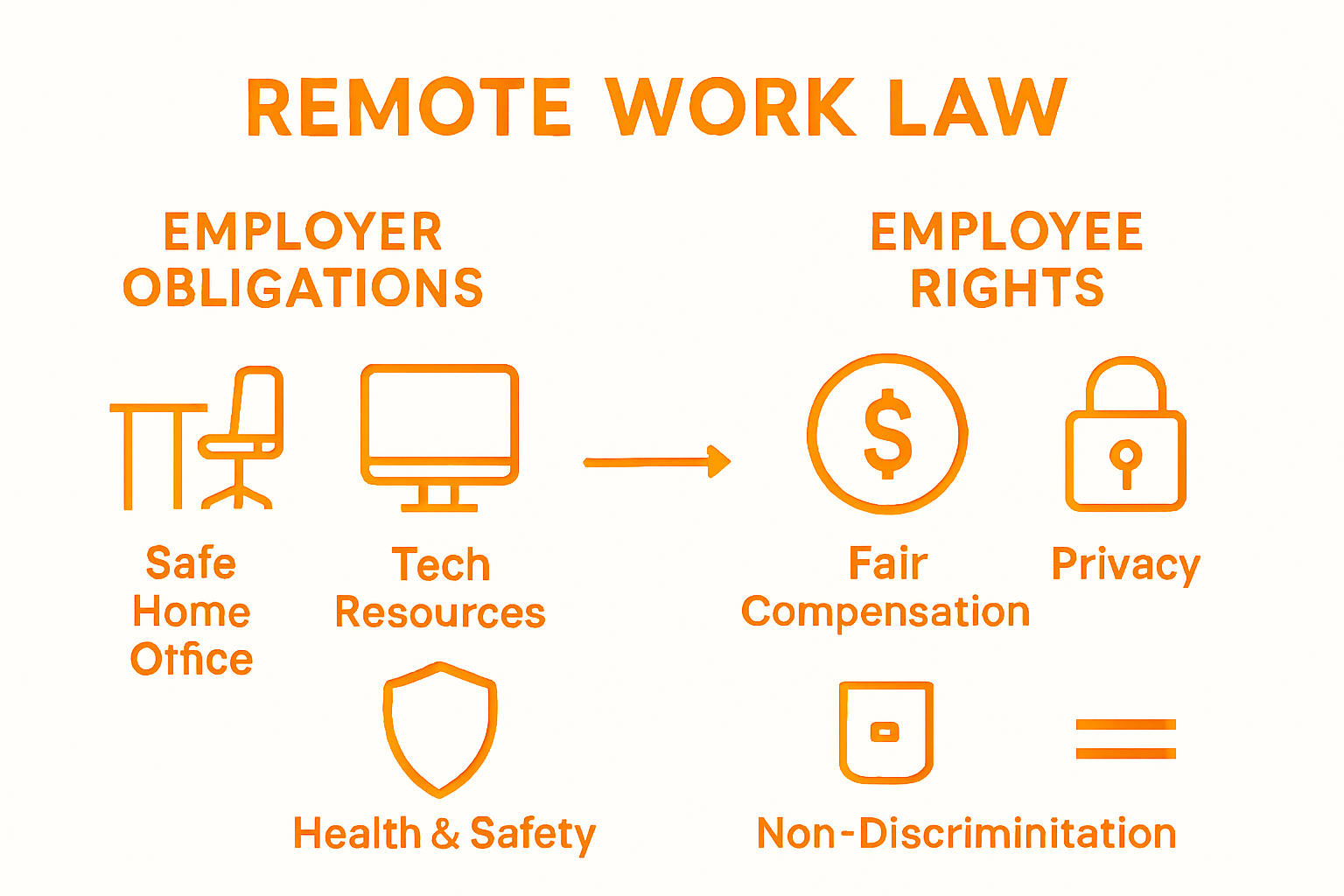
The Dutch legal system places significant emphasis on mutual responsibilities during remote work arrangements. Employers must ensure employees have appropriate workspace conditions, including ergonomic equipment, technological resources, and safe working environments. Employees, conversely, are obligated to maintain professional standards, productivity levels, and adhere to established workplace protocols.
Employers are legally required to:
- Conduct workspace risk assessments
- Provide necessary technological infrastructure
- Ensure employee health and safety standards
- Maintain clear communication channels
Importance of Comprehensive Legal Frameworks
Comprehensive legal rules for working from home protect both organizational interests and employee rights. These frameworks address critical aspects such as data protection, cybersecurity, performance monitoring, and potential compensation adjustments. By establishing clear guidelines, the Netherlands ensures a balanced approach that supports flexible working models while maintaining professional integrity and operational effectiveness.
Key Legal Rights and Responsibilities for Remote Workers
Remote working in the Netherlands introduces a complex legal landscape where employee rights and employer obligations intersect with evolving workplace dynamics. The legal framework establishes clear guidelines to protect both parties while promoting flexible and productive work arrangements.
Employee Rights in Remote Working Environments
Employees engaged in remote work possess specific legal entitlements that safeguard their professional interests. These rights encompass multiple dimensions of employment, ensuring fair treatment and comprehensive protection. Fundamental employee rights include maintaining equivalent employment conditions, receiving appropriate compensation, and experiencing equal career advancement opportunities regardless of work location.
Critical employee rights include:
- Protection against discriminatory practices
- Maintenance of full contractual benefits
- Right to request flexible working arrangements
- Compensation for work-related expenses
- Protection of personal data and privacy
Employer Legal Obligations
Employers bear significant responsibilities when facilitating remote work arrangements. Dutch labour regulations mandate comprehensive obligations that extend beyond traditional workplace management. These responsibilities focus on creating safe, productive, and legally compliant remote working conditions.
Key employer obligations encompass:
- Providing necessary technological infrastructure
- Ensuring occupational health and safety standards
- Conducting risk assessments for home workspaces
- Maintaining clear communication protocols
- Supporting employees’ physical and mental well-being
Compliance and Performance Management
The legal framework surrounding remote work establishes transparent mechanisms for performance evaluation and compliance monitoring. Employers must develop objective assessment criteria that evaluate productivity and professional outcomes without invasive surveillance. Employees, simultaneously, must demonstrate professional conduct, maintain agreed performance standards, and actively participate in organisational communication channels.
Successful remote work compliance requires mutual understanding, trust, and a commitment to maintaining professional standards within flexible working environments.
To clarify the specific legal responsibilities and rights for both employers and employees in remote work arrangements, the table below summarises their respective obligations and entitlements under Dutch law.
| Role | Key Legal Responsibilities and Rights |
|---|---|
| Employer | Conduct workspace risk assessments; provide technological infrastructure; ensure health and safety; maintain communication; support employee well-being |
| Employee | Maintain professional conduct and productivity; adhere to agreed protocols; uphold data protection guidelines; participate in communication channels |
| Both Parties | Establish clear, documented agreements; respect data privacy and protection laws; collaborate to ensure compliance and professional standards |
Employer Obligations: Creating a Safe Remote Work Environment
The responsibility of creating a safe remote work environment extends far beyond traditional workplace boundaries. Dutch legal frameworks mandate comprehensive employer obligations that ensure employee well-being, productivity, and professional protection in home office settings.
Workspace Assessment and Risk Management
Employers are legally required to conduct thorough risk assessments of employees’ home workspaces. This process involves evaluating ergonomic conditions, technological infrastructure, and potential health hazards. Comprehensive workspace evaluations must address physical workspace design, equipment quality, and potential psychological risks associated with prolonged remote working.
Key workspace assessment components include:
- Ergonomic furniture evaluation
- Technological equipment compatibility
- Electrical and internet connectivity standards
- Potential physical strain identification
- Mental health and isolation risk assessment
Technological and Infrastructure Support
Providing robust technological infrastructure represents a critical employer obligation in remote work environments. This involves supplying necessary equipment, ensuring secure digital communication channels, and supporting employees’ technological requirements. Employers must implement comprehensive cybersecurity protocols, data protection mechanisms, and reliable communication systems that facilitate seamless professional interactions.
Essential technological support elements encompass:
- Secure virtual private network (VPN) access
- Professional communication platforms
- Cybersecurity training resources
- Equipment procurement or compensation
- Digital collaboration tool provisions
Health and Psychological Well-being Considerations
Beyond physical workspace requirements, employers must actively address employees’ psychological well-being in remote work environments. This involves creating supportive frameworks that combat potential isolation, maintain team connectivity, and provide mental health resources. Regular check-ins, professional development opportunities, and flexible communication strategies are crucial in maintaining employee engagement and preventing professional burnout.
Effective remote work environments demand a holistic approach that balances legal compliance, technological support, and human-centric professional care.

Data Protection and Privacy Laws Impacting Remote Work
Remote work introduces complex data protection challenges that require comprehensive legal frameworks to safeguard employee privacy and organisational information security. The Dutch legal system has developed robust regulations addressing the unique privacy considerations inherent in distributed work environments.
Fundamental Privacy Protection Principles
The Netherlands applies stringent data protection standards derived from the General Data Protection Regulation (GDPR), establishing comprehensive legal guidelines for managing personal and professional information in remote work scenarios. These principles ensure that employees maintain fundamental privacy rights while enabling organisations to effectively manage professional communication and operational requirements.
Key privacy protection principles include:
- Explicit consent for data processing
- Transparent information handling practices
- Limited and purpose-specific data collection
- Employee right to access personal information
- Protection against unauthorized data sharing
Technological Security and Compliance Mechanisms
Organisations must implement robust technological infrastructure that meets strict data protection requirements. This involves developing secure digital communication channels, establishing encrypted information transmission protocols, and creating comprehensive cybersecurity strategies that protect both employee personal data and organisational intellectual property.
Critical technological security measures encompass:
- Secure virtual private network (VPN) implementations
- Multi-factor authentication systems
- Encrypted communication platforms
- Regular cybersecurity training programs
- Comprehensive data breach response protocols
Employee Rights and Organisational Responsibilities
The legal framework surrounding remote work data protection establishes a balanced approach that recognizes both employee privacy rights and organisational information security needs. Employers must develop transparent policies that clearly communicate data handling practices, obtain explicit consent for information processing, and provide employees with mechanisms to understand and control their personal information.
Successful data protection in remote work environments requires ongoing collaboration, mutual understanding, and a commitment to maintaining the highest standards of privacy and professional integrity.
The following table provides an overview of core privacy protection principles which organisations and employees must follow in remote work settings in the Netherlands.
| Principle | Brief Explanation |
|---|---|
| Explicit consent for data processing | Organisations must obtain clear agreement before processing data |
| Transparent information handling | Procedures for data use and storage must be openly communicated |
| Limited data collection | Only essential, purpose-specific employee data can be collected |
| Right to access personal information | Employees may review and control information held about them |
| Protection against unauthorised use | Data must be safeguarded against unauthorised sharing or breaches |
Future Trends in Remote Work Regulations in the Netherlands
The landscape of remote work regulations in the Netherlands continues to evolve, reflecting technological advancements, changing workforce dynamics, and emerging legal considerations. Future regulatory frameworks are anticipated to address complex challenges arising from increasingly flexible and digitally enabled work environments.
Technological Integration and Legal Adaptation
Future remote work regulations will likely emphasize seamless technological integration and legal frameworks that accommodate rapidly changing digital work infrastructures. The Netherlands is positioned to develop progressive policies that balance technological innovation with robust employee protection mechanisms. This approach will focus on creating adaptable legal structures that can respond quickly to emerging workplace technologies and communication platforms.
Key technological integration trends include:
- Advanced cybersecurity regulatory requirements
- Standardized digital communication protocols
- Comprehensive data protection frameworks
- AI and automation workplace guidelines
- Cross-border remote work regulations
Workforce Flexibility and Legal Protections
Regulatory developments are expected to provide more nuanced approaches to workforce flexibility, recognizing the diverse needs of modern employees and employers. This will involve creating legal mechanisms that support hybrid work models, accommodate different working arrangements, and ensure equitable treatment across various employment contexts.
Critical workforce flexibility considerations encompass:
- Legally recognized hybrid work models
- Enhanced employee rights in flexible environments
- Standardized compensation frameworks
- Mental health and well-being protections
- Performance evaluation guidelines for remote work
Sustainable and Inclusive Work Environments
Future regulations will likely incorporate broader societal objectives, focusing on creating sustainable, inclusive, and adaptable work environments. This approach will extend beyond traditional legal compliance, addressing environmental considerations, diversity and inclusion initiatives, and long-term workforce well-being strategies.
The Netherlands continues to position itself as a progressive leader in developing forward-thinking legal frameworks that balance technological innovation, employee rights, and organisational needs.
Is Your Remote Work Policy Truly Compliant and Protective?
Struggling to keep up with the pace of changing legal requirements for working from home in the Netherlands? Many employers and employees face uncertainty about their rights, performance expectations, and data protection under shifting remote work rules. Ensuring a safe workspace, robust technological support, and privacy for your team is not just important—it is a legal obligation that can protect you from costly mistakes and disputes.
You do not have to navigate these complexities alone. The experienced team at Law & More can help you assess, update and optimise your remote work agreements and policies to meet Dutch legal standards. If you are unsure whether your contracts or workplace practices meet the requirements discussed in the article or require support to review data protection and workplace safety obligations, do not delay. Contact our legal experts today for hands-on advice and tailored solutions that protect your interests. Secure your compliance and peace of mind—visit Law & More now to schedule a consultation.
Frequently Asked Questions
What is the legal definition of remote work in the Netherlands?
Working from home in the Netherlands is defined as a formal employment arrangement where employees perform duties from a designated home workspace, requiring structured agreements on workspace, equipment, productivity expectations, and compensation.
What are the responsibilities of employers when employees work remotely?
Employers are required to conduct workspace risk assessments, provide suitable technological infrastructure, ensure health and safety standards, and maintain effective communication channels to support remote work.
What rights do employees have when working from home?
Employees have rights including protection against discriminatory practices, maintenance of full contractual benefits, the right to request flexible working arrangements, and compensation for work-related expenses.
How does data protection impact remote work in the Netherlands?
Data protection in remote work is governed by the GDPR, ensuring employee privacy rights. Employers must implement secure technological infrastructure and transparent data handling practices to protect personal information.