



Hydrogen is being hailed as the clean energy powerhouse that could finally end our reliance on oil. The Netherlands is moving fast, putting robust laws in place while some countries are still debating. But the real surprise is how Dutch legal frameworks are not just supporting hydrogen innovation, they are already shaping a new global standard for managing the energy transition, showing that regulation can be as transformative as the technology itself.
Table of Contents
- The Shift From Oil To Hydrogen: Context And Importance
- The Role Of Dutch Law In Energy Transition Management
- Key Legal Frameworks Supporting Hydrogen Development In The Netherlands
- Understanding The Impact Of Regulatory Measures On Businesses
- Future Implications Of Dutch Energy Laws For Sustainable Practices
Quick Summary
| Takeaway | Explanation |
|---|---|
| Hydrogen offers a sustainable energy solution | Hydrogen can significantly reduce carbon emissions and enhance energy security through diversified fuel sources. |
| Dutch laws foster hydrogen innovation | Comprehensive legal frameworks in the Netherlands promote investment and development in hydrogen technologies, supporting sustainable practices. |
| Regulatory measures create business opportunities | The Dutch regulatory approach turns compliance into strategic opportunities for companies in the emerging green economy. |
| Flexible laws enable future sustainability | Adaptive legal frameworks are designed to predict and support emerging green technologies, positioning the Netherlands as a leader in sustainability. |
| Cross-sector integration of sustainability principles | Dutch energy laws embed sustainability across all economic sectors, ensuring comprehensive implementation of eco-friendly practices. |
The Shift from Oil to Hydrogen: Context and Importance
The global energy landscape is undergoing a transformative shift as nations seek sustainable alternatives to fossil fuels. At the heart of this transition lies hydrogen energy, a promising solution that represents more than just an alternative fuel source but a comprehensive strategy for decarbonising multiple industrial sectors.
Understanding the Energy Transition Imperative
The urgent need for energy transition stems from multiple critical factors. Climate change, driven by greenhouse gas emissions from traditional fossil fuels like oil, has pushed governments and industries to explore cleaner energy solutions. Hydrogen emerges as a compelling alternative with significant environmental and economic advantages.
Key motivations for this transition include:
- Reducing carbon emissions and mitigating global warming impacts
- Enhancing energy security through diversified fuel sources
- Creating new economic opportunities in green technology
Hydrogen: A Versatile Clean Energy Carrier
Hydrogen represents more than a simple replacement for oil. It is a versatile energy carrier capable of powering various sectors including transportation, industrial manufacturing, and electricity generation. When produced through renewable methods like electrolysis powered by wind or solar energy, hydrogen offers a truly sustainable energy solution.
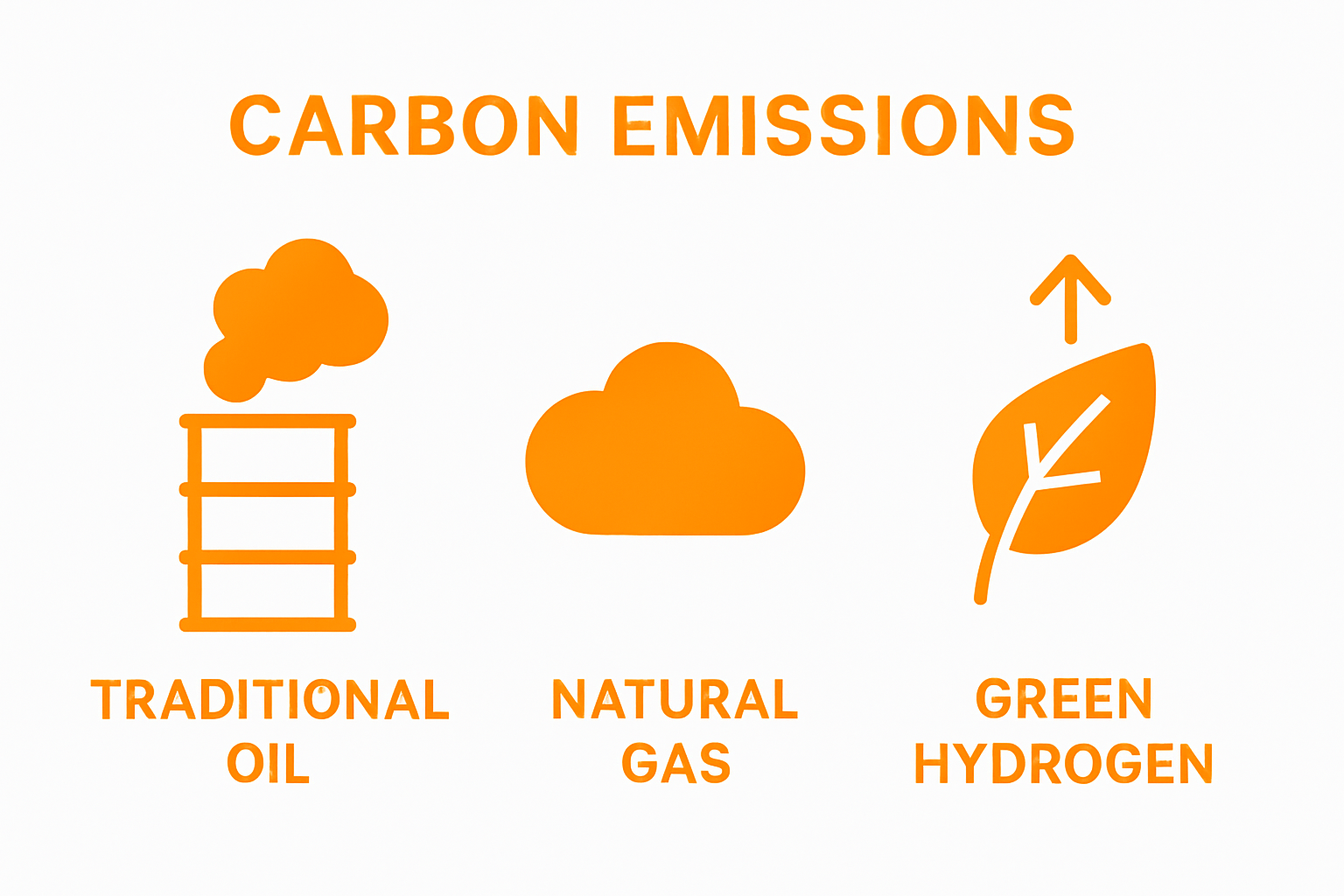
The Dutch approach to hydrogen regulation demonstrates a sophisticated understanding of this potential. By creating comprehensive legal frameworks, the Netherlands is positioning itself as a leader in the global energy transition. These regulations aim to facilitate hydrogen adoption while ensuring safety, economic viability, and environmental sustainability.
The shift from oil to hydrogen is not merely a technological upgrade but a fundamental reimagining of how societies generate, distribute, and consume energy. As countries like the Netherlands develop robust legal and regulatory mechanisms, hydrogen stands poised to revolutionise the global energy ecosystem.
The Role of Dutch Law in Energy Transition Management
The Netherlands has emerged as a global frontrunner in developing comprehensive legal frameworks that facilitate and manage the complex process of energy transition. Dutch legislative approaches demonstrate a sophisticated understanding of the multifaceted challenges inherent in transforming national energy infrastructure from fossil fuels to sustainable alternatives.
Legal Foundations for Strategic Energy Transformation
Dutch law recognises energy transition as more than a technological challenge. It is fundamentally a socio-economic and regulatory process requiring nuanced legal mechanisms. The Dutch government has constructed a robust legal architecture that balances environmental objectives with economic considerations, creating pathways for sustainable innovation.
Key legal principles guiding this transformation include:
- Establishing clear regulatory frameworks for renewable energy development
- Creating economic incentives for green technology investments
- Ensuring transparent governance and accountability mechanisms
Regulatory Mechanisms and Strategic Implementation
The Netherlands employs a multilayered approach to energy transition management. Legislation is crafted to provide both strategic direction and practical implementation guidelines. This involves developing comprehensive policies that address technological, economic, and social dimensions of the energy transformation.
Specifically, Dutch legal frameworks focus on:
- Developing hydrogen production infrastructure
- Supporting research and development in clean energy technologies
- Creating financial mechanisms to support green energy investments
These legal strategies reflect a proactive approach to energy transition. By establishing clear regulatory pathways, the Netherlands creates an environment where sustainable technologies can flourish. The legal framework serves not just as a restrictive mechanism but as an enabling platform for innovation and sustainable economic development.
Through carefully designed legislation, the Netherlands demonstrates how legal systems can be instrumental in driving fundamental societal and technological transformations. The country’s approach offers a compelling model for other nations seeking to navigate the complex journey towards a sustainable energy future.
Key Legal Frameworks Supporting Hydrogen Development in the Netherlands
The Netherlands has developed a sophisticated legal ecosystem designed to accelerate hydrogen technology adoption and integration. These legal frameworks represent a strategic approach to transforming national energy infrastructure through comprehensive regulatory mechanisms that balance technological innovation, economic growth, and environmental sustainability.
Regulatory Architecture for Hydrogen Innovation
Dutch legal frameworks are structured to provide clear pathways for hydrogen development. The national legislation creates an environment that encourages investment, research, and large-scale implementation of hydrogen technologies across multiple sectors. By establishing robust guidelines, the Netherlands ensures a structured and predictable pathway for hydrogen transition.
Key regulatory objectives include:
- Establishing clear standards for hydrogen production and infrastructure
- Creating financial incentives for green hydrogen technologies
- Developing safety protocols for hydrogen transportation and storage
Strategic Policy Instruments and Implementation
The Dutch government has introduced several critical policy instruments that support hydrogen development. These include targeted legislation that addresses technical, economic, and environmental aspects of hydrogen integration. The legal frameworks are designed to be adaptive, allowing for continuous improvement and technological advancement.
Specific policy mechanisms focus on:
- Providing government subsidies for hydrogen infrastructure projects
- Developing national and regional hydrogen deployment strategies
- Supporting research and development through public-private partnerships
These legal frameworks demonstrate a holistic approach to energy transition. By creating comprehensive regulations that address technological, economic, and environmental considerations, the Netherlands is establishing itself as a global leader in hydrogen development. The legal mechanisms serve not just as regulatory tools but as strategic instruments for driving sustainable energy transformation.
The Dutch model offers an innovative blueprint for how legal systems can actively facilitate and accelerate the transition to clean energy technologies, providing a robust framework for other nations to emulate in their own hydrogen development strategies.
Understanding the Impact of Regulatory Measures on Businesses
Regulatory measures surrounding energy transition represent a complex landscape of opportunities and challenges for businesses in the Netherlands. These legal frameworks are not merely administrative documents but strategic instruments that fundamentally reshape how companies operate, invest, and innovate in the emerging green economy.
Economic Implications of Energy Transition Regulations
The Dutch regulatory approach recognises that businesses are central actors in the energy transition. Legal measures are designed to create a balanced ecosystem where economic viability and environmental sustainability coexist. By establishing clear guidelines and incentive structures, the government aims to transform regulatory compliance from a potential burden into a strategic business opportunity.
Key economic considerations include:
- Creating financial incentives for sustainable technology adoption
- Reducing long-term operational risks through predictable policy frameworks
- Encouraging innovation and competitive advantage in green technologies
Sector-Specific Regulatory Adaptations
Different industrial sectors experience regulatory impacts uniquely. Manufacturing, transportation, energy production, and technology industries must navigate increasingly complex compliance requirements. The Dutch legal framework demonstrates a nuanced understanding of these sector-specific challenges, offering tailored approaches that balance broad environmental goals with practical business considerations.
Significant regulatory adaptation strategies involve:
- Developing flexible implementation timelines
- Providing targeted financial support for transition processes
- Creating collaborative platforms between government and industry stakeholders
These regulatory measures represent more than compliance mechanisms. They are sophisticated policy tools designed to accelerate the Netherlands’ transition towards a sustainable economic model. By creating a predictable and supportive environment, Dutch regulations encourage businesses to view energy transition not as a regulatory obligation but as a strategic opportunity for innovation and growth.
The following table compares key features of Dutch hydrogen laws with the overall requirements and impacts on businesses, to clarify how these regulations guide both innovation and compliance across sectors.
| Aspect | Dutch Hydrogen Laws | Impact on Businesses |
|---|---|---|
| Regulatory Clarity | Provides clear regulatory frameworks for hydrogen | Offers certainty in planning and investment |
| Financial Incentives | Includes government subsidies and economic schemes | Lowers adoption costs, enhances competitiveness |
| Flexibility & Adaptation | Designed to support emerging green technologies | Encourages ongoing innovation, eases compliance |
| Safety & Sustainability Standards | Establishes protocols for safe hydrogen use and storage | Requires updated safety measures and training |
| Cross-sector Application | Integrates sustainability into all economic sectors | Creates broader obligations and opportunities |
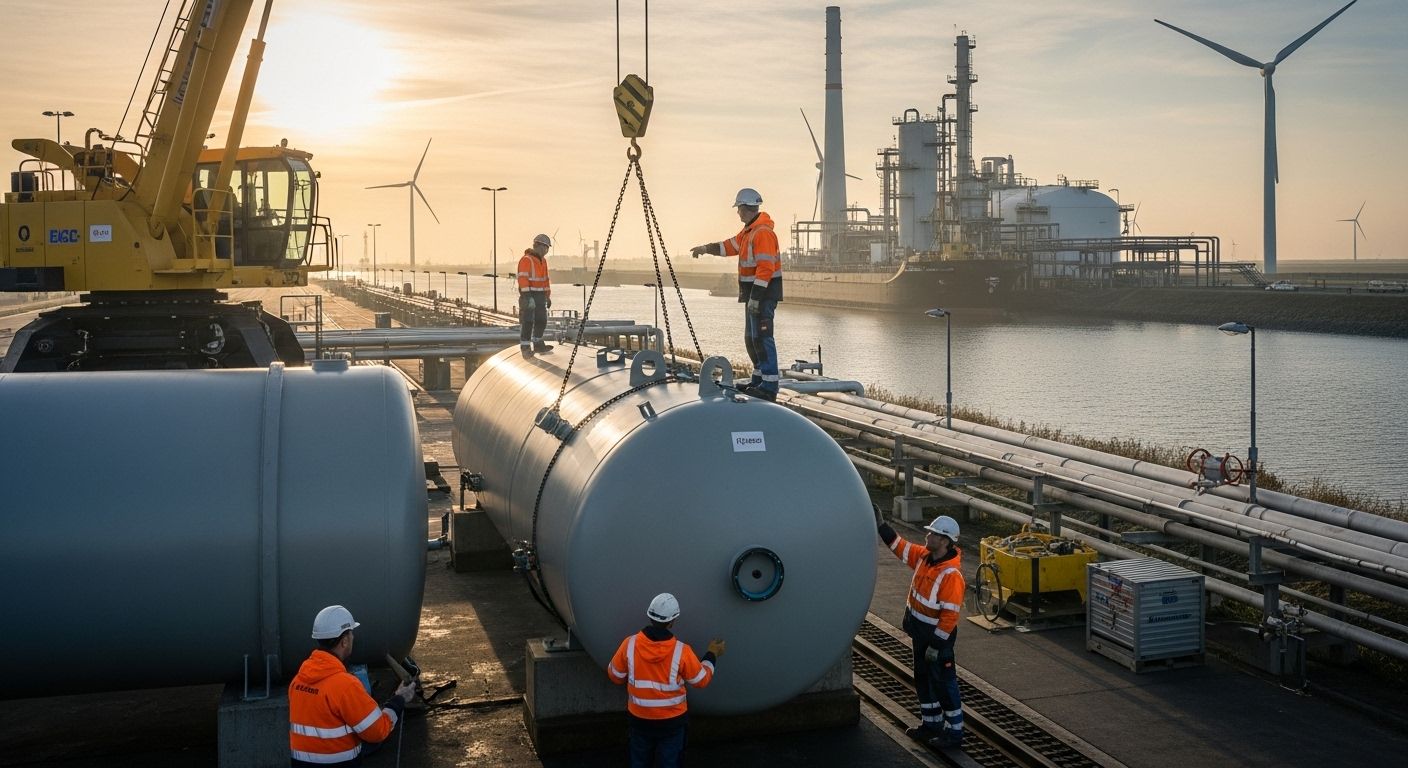
The comprehensive approach demonstrates how intelligent legal frameworks can simultaneously address environmental imperatives, economic sustainability, and business innovation. Through carefully crafted regulations, the Netherlands is establishing a global benchmark for managing complex societal transformations.
Future Implications of Dutch Energy Laws for Sustainable Practices
The evolution of Dutch energy legislation represents a forward-looking approach to addressing complex environmental challenges. These emerging legal frameworks are designed not just to regulate but to proactively shape sustainable practices across multiple sectors, creating a comprehensive strategy for long-term ecological and economic transformation.
Strategic Vision in Legal Development
Dutch energy laws are increasingly characterized by their adaptive and anticipatory nature. Rather than simply responding to existing challenges, these regulations are constructed to predict and facilitate future sustainable technologies and practices. This approach demonstrates a sophisticated understanding that legal frameworks must be dynamic instruments capable of supporting rapid technological and societal changes.
Key strategic considerations include:
- Establishing flexible regulatory mechanisms
- Creating legal pathways for emerging green technologies
- Developing frameworks that encourage continuous innovation
Comprehensive Sustainability Integration
The future of Dutch energy laws extends beyond traditional environmental regulation. These emerging legal frameworks are designed to integrate sustainability principles into every aspect of economic and social infrastructure. By creating holistic legal mechanisms, the Netherlands is developing a comprehensive approach that treats sustainability as a fundamental operational principle rather than an optional consideration.
Critical integration strategies involve:
- Embedding sustainability requirements across different legal domains
- Creating interconnected regulatory systems
- Developing mechanisms for continuous legal adaptation
These forward-looking legal approaches represent more than incremental policy adjustments. They constitute a fundamental reimagining of how legal systems can drive societal transformation. By designing laws that are simultaneously prescriptive and adaptive, the Netherlands is establishing a global benchmark for proactive environmental governance.
The emerging Dutch energy law model demonstrates how intelligent legal frameworks can serve as powerful catalysts for sustainable development, providing a sophisticated blueprint for addressing complex environmental challenges through strategic, anticipatory regulation.
Ready to Navigate the Dutch Energy Transition?
Transforming from oil to hydrogen brings exciting possibilities but also involves legal complexity, strict regulations, and fast-changing policy landscapes. If you are a business or investor considering the leap into hydrogen, Dutch law demands not only compliance but strategic action. From navigating financial incentives to understanding new safety and sustainability requirements, your journey to decarbonisation should be both confident and legally secure.
Let our expert team at Law & More guide you. We specialise in regulatory frameworks, energy law, and business compliance to help you unlock the full potential of the hydrogen revolution. Act now to ensure your project is future-proof. Visit our platform to connect with a legal partner who understands both innovation and the law. Request your tailored consultation today and take your next steps in the Dutch energy transition with certainty.
Frequently Asked Questions
What is the role of hydrogen in the energy transition?
Hydrogen serves as a versatile clean energy carrier, capable of powering various sectors such as transportation, industry, and electricity generation. When produced sustainably, it offers a significant alternative to fossil fuels like oil.
How does Dutch law support hydrogen technology development?
Dutch law establishes comprehensive legal frameworks that create clear regulatory pathways for hydrogen innovation, including financial incentives, safety standards, and support for infrastructure development.
What are the environmental benefits of transitioning from oil to hydrogen?
Transitioning to hydrogen can significantly reduce carbon emissions and mitigate the impacts of climate change by replacing traditional fossil fuels with a cleaner energy source, particularly when hydrogen is produced from renewable resources.
How do Dutch energy laws promote sustainable practices?
Dutch energy laws are designed to be adaptive and anticipatory, facilitating the incorporation of sustainability principles across various sectors. This ensures that regulations support continuous innovation and address future environmental challenges effectively.