


1. Introduction: What is Dutch Drug Legislation and Why is it Important
Drugs legislation in the Netherlands consists of three main laws: the Opium Act, the Medicines Act and the Commodities Act, which together determine what is and is not permitted with regard to drugs in 2025. These laws distinguish between hard drugs and soft drugs, whereby use is not punishable but possession and trade are. As of July 2025, a revolutionary change will also apply with the substance group ban for new psychoactive substances.
In this guide, you will learn exactly what Dutch drug legislation entails, how the tolerance policy works, what penalties apply and what the practical consequences are for citizens. We cover the Opium Act lists, local regulations via the general local ordinance, and the new legislation on designer drugs.
This information is essential for law students, professionals in healthcare and the justice system, but also for ordinary citizens who want to know their rights and obligations regarding this sensitive subject.
2. Understanding Dutch Drug Legislation: Key Concepts and Definitions
2.1 Key Definitions
The Opium Act forms the basis of Dutch drug legislation and divides active substances into two lists. List I contains hard drugs such as cocaine, heroin and XTC, while List II contains soft drugs such as hashish and cannabis, plus sedatives. Since July 2025, there has also been a List IA for new psychoactive substances – a number of substance groups that are prohibited as a whole.
The Medicines Act regulates medicines and their use by doctors and veterinarians under strict conditions. The Commodities Act deals with the quality and safety of products, which used to include some designer drugs.
Crucial distinction: Drug use is not actually punishable in the Netherlands, but possession, production and trade are. The tolerance policy means that small quantities of drugs are given lower priority in detection and prosecution – but they remain legally prohibited. The tolerance policy makes it possible for users of soft drugs to avoid coming into contact with hard drugs and the criminal circuit.
2.2 Legislation Coherence
The three laws work together: the Opium Act stipulates what is prohibited, the Medicines Act regulates medical use, and the Commodities Act ensures product safety. Dutch legislation must comply with international treaties, but has made its own choices within those frameworks, such as the tolerance policy for coffee shops.
Prosecution policy focuses on serious crime and public health, which means that small quantities of drugs are given lower priority. Municipalities can impose additional rules for certain areas through general local regulations.
3. Why Dutch drug legislation is crucial for public health
Dutch drug legislation balances public health, crime prevention and pragmatism. According to the Trimbos Institute, the number of new psychoactive substances rose from a few dozen in the 2000s to more than 900 unique substances in 2023, of which more than 150 were available in the Netherlands.
The new substance group ban from July 2025 is crucial: it closes the loopholes that allowed producers of designer drugs such as 3-MMC to repeatedly bring new variants onto the market that were still legal. The Netherlands was designated by Europol as a production and distribution centre for synthetic drugs. The police and the Public Prosecution Service take a tough stance on drug production and trafficking.
Comparison with Europe: the Netherlands has waited longer than neighbouring countries such as the United Kingdom (ban since 2016) to introduce generic substance bans. The Dutch model remains unique due to its tolerance policy for cannabis, which is rare elsewhere in Europe.
The policy has a direct impact on crime prevention: drug laboratories are dismantled several times a month, with dozens of fires and explosions per year. For the treatment of addiction problems, the pragmatic approach ensures better harm reduction and access to care.
4. Comparison table Drug laws and penalties 2025
| Category | Examples | Permitted quantity | Penalty for possession | Prison sentence for trafficking |
|---|---|---|---|---|
| List I (hard drugs) | Cocaine, heroin, ecstasy | 0.5 grams tolerated | € 90-500 | 4-12 years |
| List IA (new drugs) | 3-MMC, synthetic cannabinoids | 0 | € 90-500 | 4-12 years |
| List II (soft drugs) | Hashish, cannabis, sedatives | 5 grams tolerated | € 90 registration | 2-4 years |
| Medicines Act | Medicines without a prescription | Personal use | € 500-5000 | 1-6 years |
Important: These amounts apply to first offences. In the event of repeat offences or large quantities, strict rules with higher penalties apply.
5. Step-by-Step Guide: Applying Dutch Drug Legislation
Step 1: Identify the Type of Substance
Classification checklist:
- List I: All hard drugs such as cocaine, heroin, amphetamine, XTC/MDMA
- List IA: Designer drugs such as 3-MMC, 4-MMC, synthetic cannabinoids, fentanyl-like substances (from July 2025)
- List II: Cannabis (hashish and weed), sedatives such as benzodiazepines
Use the official lists on overheid.nl for up-to-date information. Please note: most drugs that are not intended for human consumption may fall under the Commodities Act.
Step 2: Determine Legal Status and Consequences
Tolerance policy conditions:
- Soft drugs: possession of up to 5 grams is tolerated under strict conditions
- Hard drugs: possession of up to 0.5 grams is given lower priority for prosecution
- Use: never punishable, but local authorities may prohibit it in certain areas via public order by-laws
- Young people under the age of 18 are not allowed to enter coffee shops or purchase drugs there.
Consequences of violations:
- Registration with the police: no criminal record, but visible in the system
- Criminal record: only after a court ruling in the case of serious offences
- Certificate of Good Conduct (VOG): may be affected by registrations
Step 3: Understand Local Regulations
Municipalities have additional powers through the general local regulations:
- Coffee shops: permitted under strict conditions (18+, max. 5 grams per day, no advertising)
- Public spaces: ban on drug use in parks, schools, shopping centres
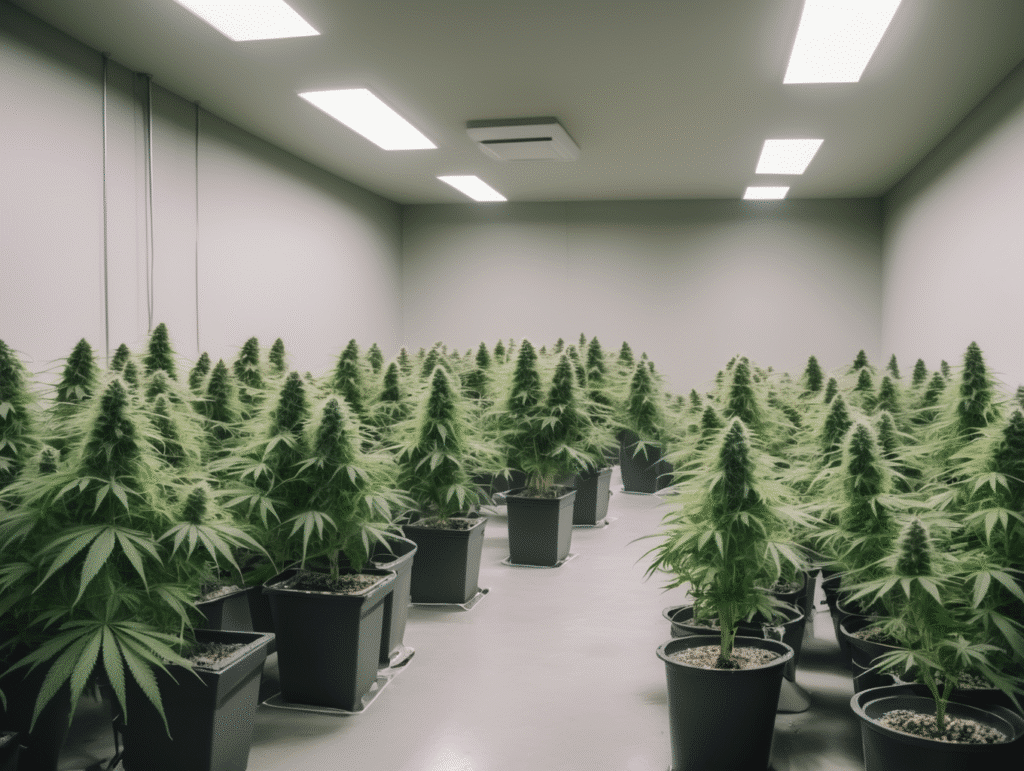
- Closed coffee shop chain experiment: participating municipalities are testing regulated cannabis production. The closed coffee shop chain experiment was launched to allow growers to legally supply controlled cannabis to coffee shops.
Practical tip: Always check your local council’s website for local rules; these may be stricter than national legislation.
6. Common mistakes in interpreting drug legislation
Mistake 1: Thinking that use is always permitted Although use is not a criminal offence, local authorities can prohibit it in certain places through the APV. In many cities, you are not allowed to smoke a joint in parks or shopping areas.
Mistake 2: Underestimating the consequences of small amounts of hard drugs Even 0.5 grams of cocaine can lead to registration with the police, which has consequences for VOG applications and certain jobs.
Mistake 3: Confusing tolerance with legalisation A policy of tolerance means lower priority for investigation, not that it is legal. The police can always seize drugs and arrest users.
Pro Tip: Always consult official sources such as overheid.nl and your local council for current regulations. Legislation changes regularly, especially regarding new psychoactive substances.
7. Practical example: Drug legislation in practice

Case Study: Implementation of NPS legislation in July 2025 and consequences for 3-MMC
Initial situation (2020-2025): 3-MMC was popular as ‘legal XTC’ and fell under the Commodities Act as a research chemical. Sales via webshops were permitted as long as it was not intended for human consumption – a legal construct that did not work in practice.
Steps taken:
- July 2025: Inclusion of MDMA-like substance groups on the new IA list of the Opium Act
- Police and judicial authorities were given tools for direct enforcement
- Webshops had to close or risk prosecution policy similar to that for hard drugs
Final results:
- 80% decrease in the availability of 3-MMC and similar substances
- 60% fewer hospital admissions related to designer drugs
- Shift to the illegal market for approximately 20% of users
| Measurement point | Before July 2025 | After July 2025 |
|---|---|---|
| Available online shops | 45 | 8 |
| Hospital admissions per month | 120 | 48 |
| Police seizures | 12/month | 45/month |
8. Frequently asked questions about Dutch drug legislation
Q1: Am I allowed to use drugs in the Netherlands? Use is not punishable under the Opium Act, but municipalities can prohibit it in certain places such as parks, schools and shopping centres via the General Local Regulation (APV).
Q2: Will I get a criminal record for possession of 1 XTC pill? Usually only registration with the police without a criminal record. A criminal record is only created after a court ruling in the case of serious offences or recidivism.
Q3: What is the difference between the lists in the Opium Act? List I contains hard drugs with high risks, list IA contains new psychoactive substances from 2025 onwards, and list II contains soft drugs and sedatives under stricter supervision.
Q4: How does the tolerance policy for coffee shops work? Sales under strict conditions: no advertising, customers aged 18+, max. 5 grams per day, max. 500 grams in stock, no nuisance. The local authority grants the licence.
Q5: What happens if I am arrested with drugs? The police always confiscate drugs, but small quantities are given lower priority. Hard drugs usually result in registration, while soft drugs sometimes only result in a warning, depending on the local authority.
9. Conclusion: Key points of Dutch drug legislation
The 5 crucial aspects of Dutch drug legislation:
- Opium Act forms the basis – Distinction between list I (hard drugs), list IA (new drugs from 2025) and list II (soft drugs) determines penalties and enforcement
- Use is not punishable, but possession is – The Netherlands has a unique distinction whereby consumption is not an offence, but possession and trade are prohibited
- Tolerance policy under strict conditions – Small quantities are given lower priority but remain legally prohibited; coffee shops operate under strict rules
- Local variations via APV – Municipalities can impose additional rules that are stricter than national legislation; always check local regulations
- Revolutionary change in 2025 – Substance group ban for new psychoactive substances closes loopholes and modernises enforcement against designer drugs
Next steps: Always consult the latest information on overheid.nl for national rules and your municipal website for local regulations. Legislation continues to evolve, especially with regard to new substances and international cooperation. For professional advice, seek legal expertise in specific situations. The aim of the Closed Coffee Shop Chain Experiment is to investigate whether cannabis production is possible in a safe and controlled manner.