


Divorce and alimony spark strong emotions and come with a web of legal decisions in the Netherlands. Some believe divorce is mostly about splitting up and paperwork, but Dutch law focuses on much deeper fairness. Every year, thousands of couples must navigate dividing assets, determining custody, and setting alimony where support can last until retirement for long marriages. What really changes lives is not just leaving a partner but the lasting financial and emotional shifts these rules create.
What is Divorce and Alimony in the Netherlands?
Divorce and alimony represent complex legal processes involving significant emotional and financial considerations for couples ending their marriage. In the Netherlands, these legal proceedings are designed to ensure fair financial resolution and protection for both parties involved.
Understanding Divorce in the Dutch Legal System
In the Dutch legal framework, divorce is a formal legal process that dissolves a marriage through civil court proceedings. Couples can pursue divorce through mutual consent or by demonstrating irreconcilable differences. The primary goal is to establish clear arrangements regarding property division, child custody, and financial support.
Key considerations in Dutch divorce proceedings include:
- Equitable distribution of marital assets
- Determining child custody and parental responsibilities
- Establishing financial support mechanisms
- Addressing potential spousal maintenance requirements
Alimony: Financial Support After Divorce
Alimony, known as “partneralimentatie” in Dutch legal terminology, represents a critical financial mechanism designed to provide economic support to the financially disadvantaged spouse following marital dissolution. The Dutch legal system evaluates multiple factors when determining alimony, including:
- Duration of the marriage
- Each spouse’s earning capacity
- Standard of living during the marriage
- Age and health of both partners
- Existing financial resources and potential future earnings
The court carefully assesses these elements to establish a fair and sustainable financial arrangement. Alimony payments are not automatically permanent and can be modified based on significant changes in either party’s financial circumstances.
Legal Framework and Calculations
Dutch courts follow specific guidelines when calculating alimony, considering both short term and long term financial implications. The duration of alimony typically correlates with the length of the marriage, with shorter marriages resulting in more limited support periods. For marriages lasting longer than ten years, alimony might continue until retirement age, reflecting the complex financial interdependencies developed during extended partnerships.
Understanding these intricate legal processes requires professional guidance, as individual circumstances significantly influence divorce and alimony outcomes in the Netherlands.
Why Divorce and Alimony Matter: Legal and Emotional Aspects
Divorce and alimony are not merely legal transactions but profound life experiences that encompass complex emotional, psychological, and financial dimensions. Understanding their broader implications helps individuals navigate these challenging transitions with greater resilience and clarity.
Psychological Impact of Divorce
The emotional landscape of divorce extends far beyond legal paperwork. Individuals experiencing marital dissolution often encounter significant psychological challenges that require comprehensive support and understanding. Emotional transitions during divorce can trigger profound psychological responses, including grief, anxiety, and fundamental identity restructuring.
Psychological challenges frequently encountered during divorce include:
- Profound sense of personal loss
- Disruption of established family dynamics
- Potential emotional trauma for children involved
- Significant stress related to financial uncertainty
- Potential decline in mental health and emotional stability
Legal Protection and Financial Stability
Alimony serves as a critical mechanism for ensuring economic fairness and protecting vulnerable parties during marital dissolution. The legal framework surrounding alimony aims to prevent sudden economic hardship and maintain a reasonable standard of living for both partners. Dutch legal provisions recognize the potential economic disparities that emerge from marriage and subsequent separation.
Key legal considerations in alimony determinations include:
- Preventing economic disadvantage for financially dependent partners
- Recognizing contributions to shared marital life beyond direct financial earnings
- Establishing sustainable financial arrangements
- Providing temporary support during transition periods
- Accounting for individual earning capacities and potential
Long Term Social and Personal Implications
Divorce and alimony proceedings represent more than immediate financial arrangements. They reflect broader societal approaches to relationship dissolution, individual rights, and economic interdependence. The Dutch legal system approaches these matters with nuanced consideration of individual circumstances, recognizing that each marital separation represents a unique human experience.
Understanding these multifaceted dimensions helps individuals approach divorce with greater emotional intelligence, legal preparedness, and psychological resilience.
Below is a comparison of psychological, legal, and financial aspects commonly encountered during divorce in the Netherlands, summarising how each dimension impacts individuals going through marital dissolution.
| Aspect | Key Features | Typical Examples |
|---|---|---|
| Psychological | Emotional challenges, identity disruption, impact on children | Grief, anxiety, sense of loss, family strain |
| Legal | Asset division, alimony arrangements, child custody, legal protection | Property splitting, partner maintenance |
| Financial | Change in economic status, expense adjustments, asset redistribution | Reduced income, career interruption |
| Professional legal and psychological support remains crucial in navigating these complex personal transformations. |
How Alimony is Determined: Factors and Calculations
Alimony determination in the Netherlands represents a sophisticated legal process involving comprehensive evaluation of multiple financial and personal factors. The Dutch legal system approaches these calculations with nuanced consideration, ensuring fair and sustainable financial arrangements for both parties following marital dissolution.
Primary Evaluation Criteria
Judicial assessment of alimony involves intricate analysis of multiple interconnected factors. Courts meticulously examine each partner’s financial landscape, considering not just current earnings but potential future economic capacity. The primary objective remains establishing a balanced financial resolution that prevents economic hardship for the financially vulnerable spouse.
Key evaluation criteria include:
- Current individual income levels
- Professional qualifications and employment potential
- Age and health status of both partners
- Duration of the marriage
- Existing financial obligations and dependencies
- Standard of living during the marriage
Calculation Methodologies
Dutch courts utilize sophisticated calculation models that balance objective financial metrics with individual circumstances. The standard duration of alimony typically correlates directly with the length of the marriage, creating a proportional relationship between marital duration and financial support period.
Calculation principles generally follow these parameters:
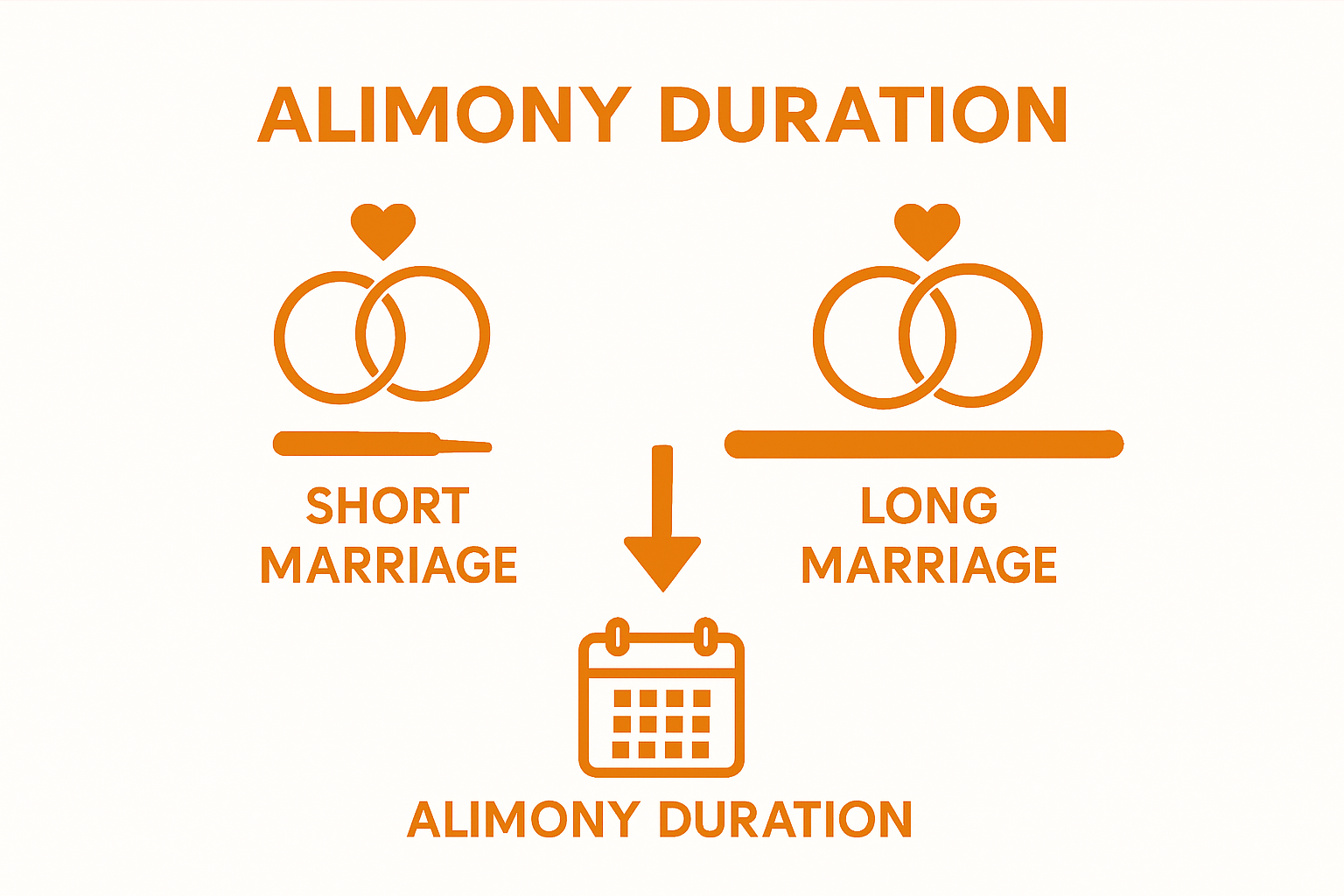
- Short marriages (under 5 years): Limited alimony duration
- Medium marriages (5-15 years): Graduated alimony support
- Long marriages (15+ years): Potentially indefinite support
- Consideration of potential future earning capabilities
- Adjustment for significant changes in financial circumstances
Legal Considerations and Modifications
Alimony arrangements are not permanently fixed but remain adaptable to changing life circumstances. The Dutch legal framework permits periodic review and modification of alimony agreements. Significant life changes such as remarriage, substantial income shifts, or retirement can trigger legal reassessment of existing arrangements.
Understanding these complex calculations requires professional legal guidance, as individual nuances significantly impact the final financial resolution. The intricate balance between fairness, economic sustainability, and individual circumstances makes alimony determination a highly personalized judicial process.
The Impact of Divorce on Financial and Personal Well-Being
Divorce represents a profound life transition that extends far beyond legal proceedings, creating multifaceted disruptions across personal, emotional, and financial domains. The comprehensive impact of marital dissolution encompasses intricate psychological and economic transformations that fundamentally reshape individuals’ life trajectories.
Psychological and Emotional Dimensions
Divorce triggers complex psychological responses that challenge individual identity and emotional stability. The process of marital separation introduces significant emotional stress, potentially leading to profound psychological restructuring. Individuals often experience a comprehensive range of emotional experiences, from grief and loss to potential personal growth and rediscovery.
Psychological challenges associated with divorce include:
- Intense emotional vulnerability
- Potential decline in mental health resilience
- Disruption of established social support networks
- Fundamental reassessment of personal identity
- Increased risk of depression and anxiety
Financial Transformation and Economic Challenges
The economic landscape following divorce undergoes dramatic reconfiguration. Marital dissolution frequently results in substantial financial readjustment, potentially creating significant economic vulnerability. Individuals must rapidly adapt to reduced household income, altered asset distribution, and potentially unexpected financial responsibilities.
Key financial challenges typically encountered include:
- Immediate reduction in household economic resources
- Potential loss of shared financial investments
- Increased individual living expenses
- Potential career interruptions
- Complex asset redistribution processes
Long Term Personal and Professional Recalibration
Divorce necessitates comprehensive personal and professional realignment. Individuals must reconstruct their life frameworks, potentially reimagining career trajectories, personal relationships, and long term life objectives. The process demands significant psychological resilience and adaptive capacity.
Successful navigation of post-divorce transitions requires holistic support systems, including professional counseling, financial planning, and personal development strategies. Understanding divorce as a transformative experience rather than solely a legal procedure enables more constructive and resilient personal adaptation.

Key Concepts in Divorce and Alimony Proceedings
Divorce and alimony proceedings represent intricate legal processes that demand comprehensive understanding of specialized terminology, procedural nuances, and complex regulatory frameworks. Navigating these legal landscapes requires sophisticated comprehension of fundamental concepts that govern marital dissolution and financial arrangements.
Legal Terminology and Definitions
Understanding precise legal terminology forms the foundation of effective divorce proceedings. Dutch legal frameworks employ specific language that defines rights, obligations, and procedural mechanisms. These technical terms provide crucial clarity in interpreting complex legal interactions between separating partners.
Critical legal definitions include:
- Partneralimentatie (spousal maintenance)
- Verdeling van gemeenschappelijke goederen (division of shared assets)
- Echtscheidingsconvenant (divorce settlement agreement)
- Voorlopige voorzieningen (interim provisions)
- Relatievermogensrecht (relationship property law)
Procedural Frameworks and Legal Mechanisms
Divorce proceedings in the Netherlands follow structured legal pathways designed to ensure fair resolution and protect individual rights. The judicial system provides multiple approaches for couples seeking marital dissolution, ranging from mutual consent procedures to more complex contested scenarios.
Key procedural mechanisms encompass:
- Mutual consent divorce (consensuele echtscheiding)
- Contested divorce through court intervention
- Mediation and alternative dispute resolution
- Mandatory financial disclosure requirements
- Comprehensive asset and liability evaluation
Rights and Obligations in Marital Dissolution
The Dutch legal system establishes clear rights and obligations for partners during divorce proceedings. These regulations aim to balance individual interests while maintaining equitable financial arrangements. Understanding these rights becomes crucial for navigating potential challenges and ensuring fair outcomes.
Fundamental rights and obligations include protecting individual economic interests, ensuring child welfare, maintaining transparency in financial disclosures, and establishing sustainable post-marital financial arrangements. Professional legal guidance remains essential in interpreting and implementing these complex regulatory frameworks.
The following table provides definitions of key Dutch legal terms used in divorce and alimony proceedings, enhancing clarity for readers navigating complex terminology.
| Term (Dutch) | English Translation | Explanation |
|---|---|---|
| Partneralimentatie | Spousal maintenance | Financial support paid to a former spouse post-divorce. |
| Verdeling van gemeenschappelijke goederen | Division of shared assets | Legal process for dividing marital property and assets. |
| Echtscheidingsconvenant | Divorce settlement agreement | Written document outlining the terms agreed between divorcing parties. |
| Voorlopige voorzieningen | Interim provisions | Temporary measures before a divorce is finalised, e.g., residence, custody. |
| Relatievermogensrecht | Relationship property law | Legal framework governing the division of property between partners. |
Take Control of Divorce and Alimony with Expert Legal Guidance
Divorce and alimony can bring tremendous uncertainty into your life. As discussed in this article, the process in the Netherlands involves complex legal frameworks, emotional strain, and difficult decisions about property, financial support, and family wellbeing. Understanding your rights under Dutch law and terms such as partneralimentatie or the division of assets is essential to protecting your interests. Many people feel overwhelmed by the emotional toll and practical challenges that come with court proceedings.
You do not need to face these difficulties alone. At Law & More, our experienced team specialises in family law and provides tailored legal support for both Dutch and international clients. Whether you need guidance on how alimony is calculated, advice about your personal circumstances, or strategic representation in court, our dedicated experts make your needs a priority. Let us help you approach these sensitive matters with confidence and clarity. Visit our legal services platform now and book a consultation. Get the support you need to make informed decisions and secure your future today.
Frequently Asked Questions
What are the grounds for divorce in the Dutch legal system?
In the Dutch legal system, divorce can be pursued based on mutual consent or by demonstrating irreconcilable differences between partners.
How is alimony determined after a divorce?
Alimony is determined by evaluating several factors, including the duration of the marriage, the earning capacities of both spouses, the standard of living during the marriage, and the age and health of both partners.
Can alimony arrangements be modified after divorce?
Yes, alimony arrangements are not permanent and can be reviewed or modified based on significant life changes, such as remarriage or substantial shifts in income.
What is the psychological impact of divorce?
Divorce can lead to multiple psychological challenges, including feelings of grief, anxiety, and a disruption of personal identity, often necessitating emotional support and counselling.