


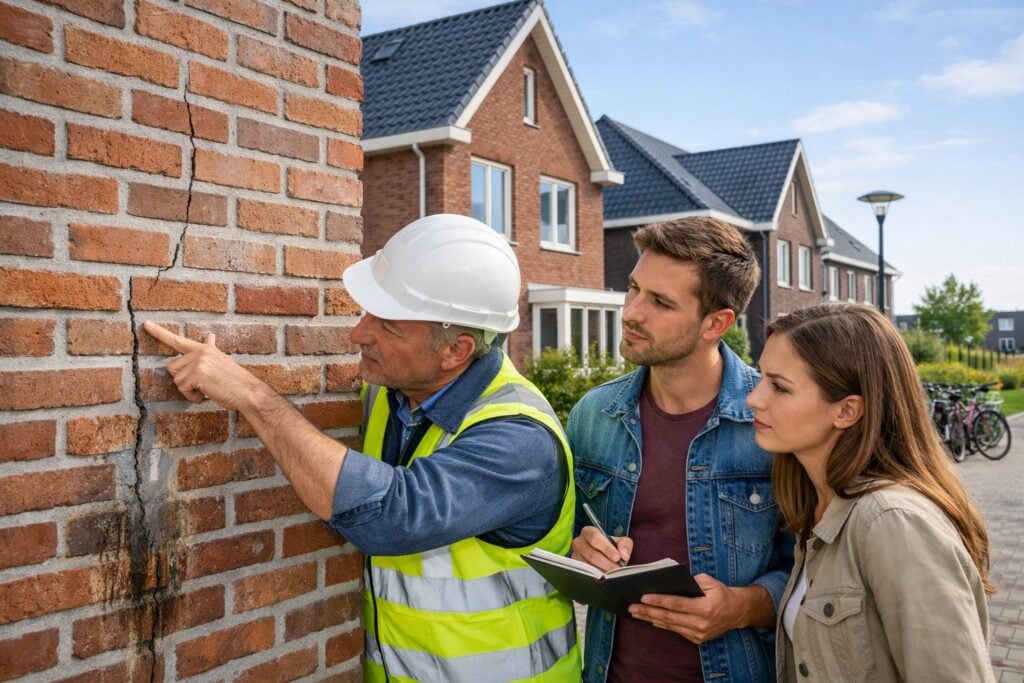
Buying a newly built home in the Netherlands should be an exciting step. Discovering defects after you move in can quickly turn that excitement into frustration.
In the Netherlands, the building contractor rather than the seller is accountable for defects in newly built homes until delivery of the property, and different warranty rules apply compared to existing homes. Understanding who is liable and what legal options you have is essential to protecting your investment.
Dutch law provides specific protections for buyers of newly built properties. Navigating the rules around liability, warranty periods, and your rights can feel complicated.
You need to know what counts as a defect, how long contractors remain responsible, and what steps you must take to make a valid claim. The purchase agreement plays a key role in setting out these terms and your remedies.
Understanding Defects in Newly Built Dutch Homes
Defects in newly built homes fall into distinct categories that affect your legal rights differently. The law establishes specific standards for what qualifies as a defect and how seriously it impacts your ability to use the property normally.
Types of Defects: Visible vs. Hidden
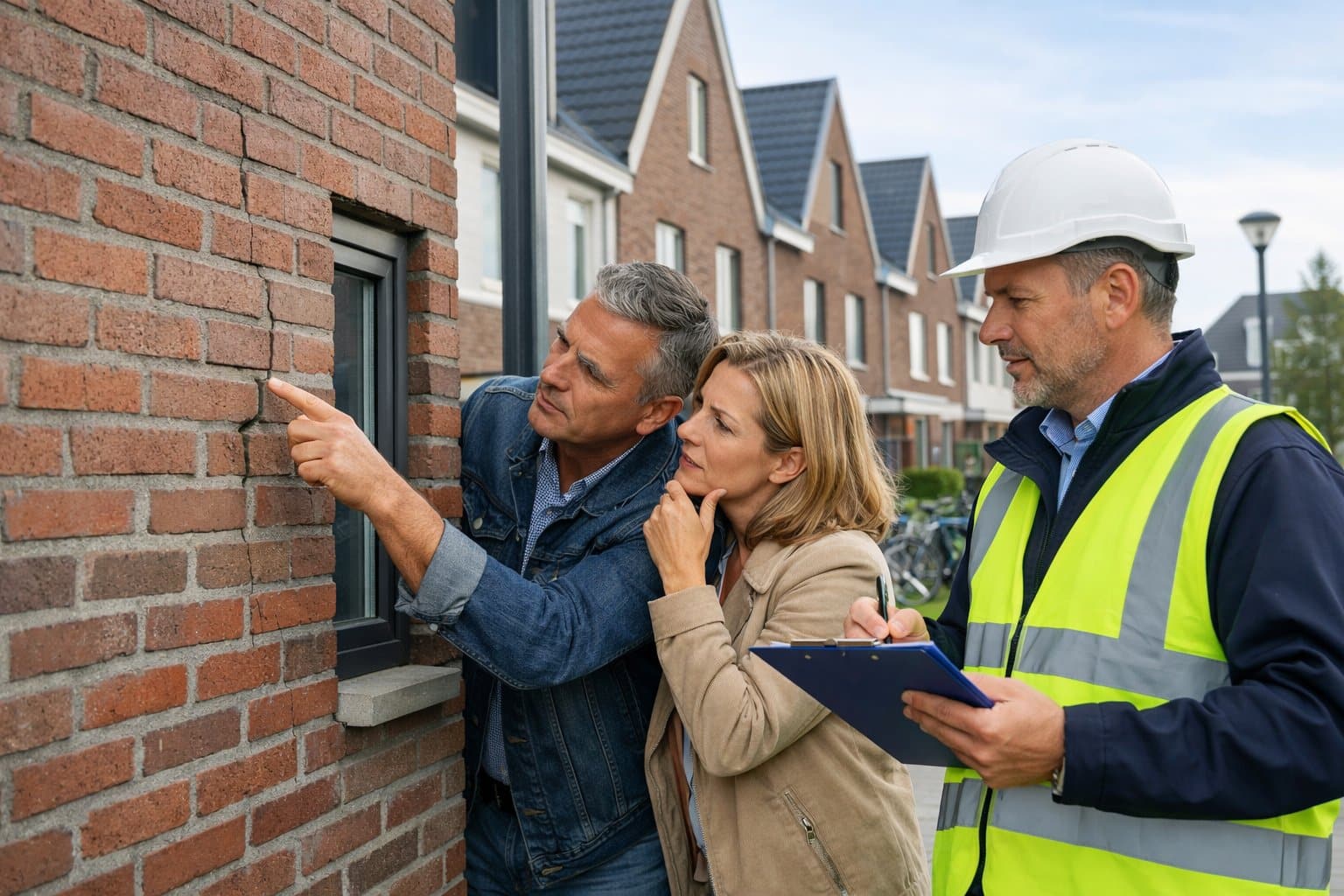
Visible defects are problems you can spot during a standard inspection before purchasing your home. These include cracked tiles, poorly fitted windows, or obvious paint damage.
You’re expected to identify these issues during your examination, and the building contractor won’t be liable if you fail to report them before signing the delivery documents. Hidden defects only appear after you’ve moved into your new home.
These problems weren’t visible during your initial inspection, even if you hired a professional inspector. Examples include faulty electrical wiring behind walls, leaking pipes within floors, or structural weaknesses not apparent from the surface.
Dutch law treats these two categories very differently. The building contractor must disclose known issues before you complete the purchase.
If they fail to inform you about problems they knew existed, they remain liable even if you could have discovered them through inspection.
Normal Use and Conformity Requirement
Dutch Civil Code Section 7:17 establishes that your newly built home must meet the conformity requirement. This means the property should have the qualities you could reasonably expect based on your purchase agreement.
The law assumes your home should be suitable for normal residential use with reasonable durability. Normal use means you can live in the home safely and comfortably for everyday purposes.
Your property should function as a proper residence without constant repairs or adjustments. If defects prevent this normal use, the building contractor bears responsibility for fixing them.
Non-conformity occurs when your home fails to meet these basic standards. Not every defect automatically qualifies as non-conformity.
For instance, mould in a crawl space doesn’t necessarily make your home unsuitable for normal use. The defect must genuinely interfere with your ability to use the property as intended.
Common Serious Defects in New Constructions
Serious defects in newly built Dutch homes typically involve structural integrity or major systems. These problems extend beyond minor cosmetic issues and affect your home’s safety or functionality.
Structural issues include:
- Foundation cracks or settling
- Load-bearing wall problems
- Roof structural failures
Water and moisture problems frequently occur due to poor workmanship. Faulty waterproofing, inadequate drainage systems, or improperly sealed windows can cause significant damage.
These issues often remain hidden until water stains or mould appear months after you move in. System failures involve heating, electrical, or plumbing installations that don’t work properly.
Faulty wiring poses safety risks, whilst malfunctioning heating systems prevent comfortable living during Dutch winters. For serious defects, the building contractor’s liability extends up to 20 years after delivery.
This extended period recognises that major structural problems may take years to become apparent. Less serious hidden defects remain the contractor’s responsibility for five years.
Liability Under Dutch Law for Newly Built Homes
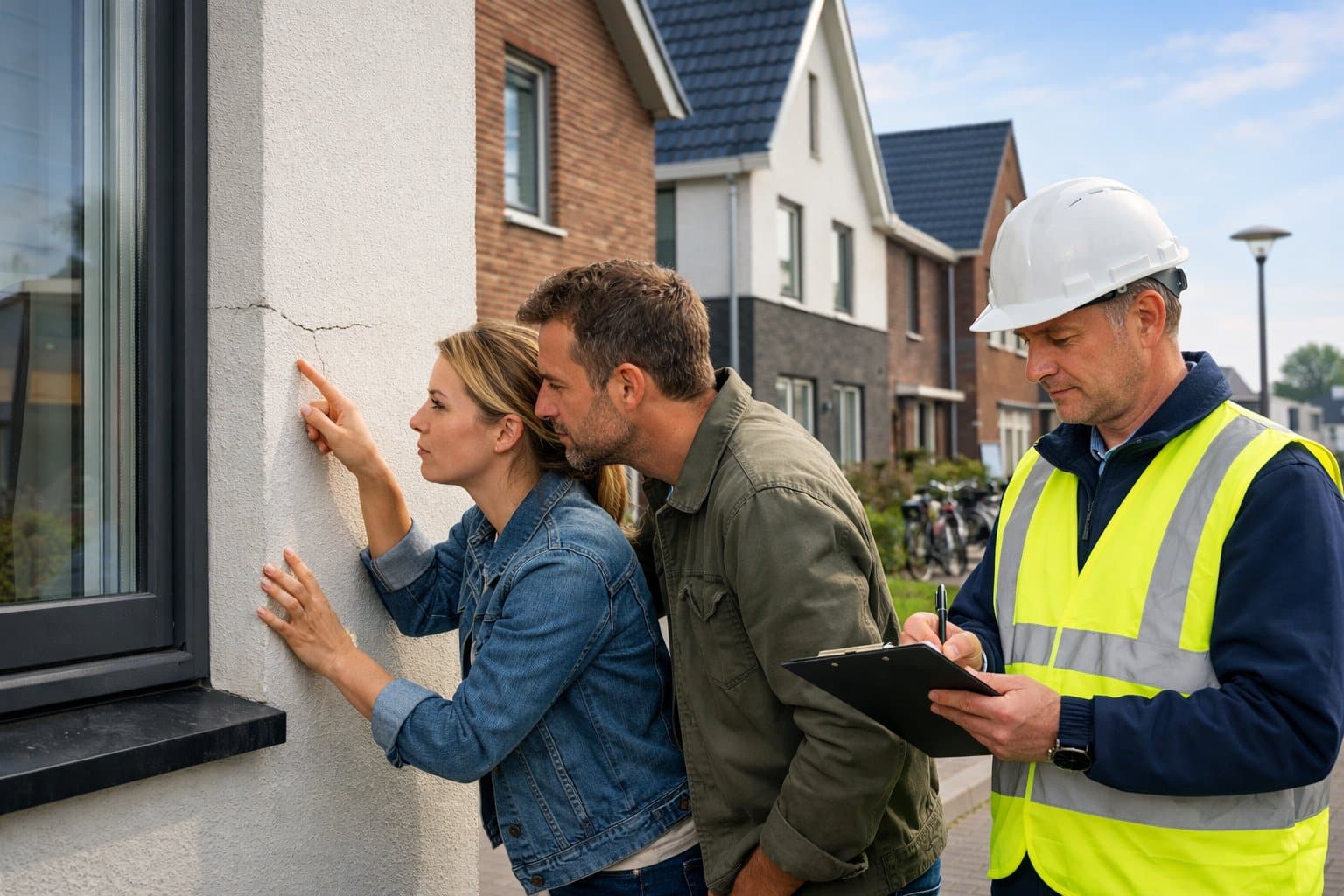
When you purchase a newly built home in the Netherlands, the building contractor holds primary responsibility for defects rather than the seller. Dutch law creates specific obligations and warranty periods that extend beyond typical real estate transactions.
Legal Obligations of Building Contractors
Under Dutch law, building contractors must deliver work that meets the standard you can reasonably expect according to Articles 7:758 and 7:759 of the Dutch Civil Code. Your newly built home should be free from design flaws, workmanship errors, and material defects that could affect safety, value, or normal use.
The contractor bears responsibility for ensuring that construction meets all applicable building codes and regulations. If defects appear before you take possession, the contractor must repair them at no cost to you.
This obligation exists regardless of what your purchase contract states, as Dutch real estate law provides these protections as a baseline. Your contractor cannot simply walk away after handing over the keys.
They remain accountable for problems that surface after completion, provided these issues existed at the time of delivery. This includes both visible defects you could have spotted and hidden defects that only become apparent later.
Liability Periods and Warranty Provisions
For newly built homes, warranty provisions typically extend considerably longer than for existing properties. The standard liability period runs for five years from the date you discover a defect, with an absolute maximum of 20 years from construction completion.
Different timeframes may apply depending on the severity and nature of the problem:
- Minor defects: Must be reported promptly after discovery
- Major structural issues: Protected under the full statutory period
- Hidden defects: Clock starts when you reasonably should have noticed the problem
Many construction contracts incorporate UAV 2012 terms or similar standard conditions that specify additional warranty details. These provisions often require contractors to return within a set period to address problems during what is commonly called the warranty phase.
Your rights under statutory law cannot be diminished by contractual clauses that attempt to limit liability for serious defects. Dutch courts regularly set aside overly restrictive warranty limitations, particularly when contractors have been negligent or knew about problems before delivery.
Distinguishing Legal and Contractual Defects
Dutch law draws important distinctions between legal defects and contractual defects when assessing your rights. Legal defects refer to problems that prevent normal use or significantly reduce your home’s value, regardless of what your purchase contract says.
Contractual defects involve failures to meet specific promises made in your agreement. A legal defect exists when your home fails to meet the standard any reasonable buyer would expect.
This includes major issues like:
- Structural instability or foundation problems
- Water infiltration or serious damp issues
- Violations of building regulations
Contractual defects arise when the finished home does not match what was explicitly promised in your purchase contract. If your agreement specified certain materials, room dimensions, or features, the contractor must deliver exactly what was agreed.
The conformity principle requires that your newly built home aligns with both legal standards and contractual promises. When evaluating defects, courts apply the Haviltex criterion, which examines what both parties reasonably understood and expected from the agreement.
This approach considers the specific circumstances of your transaction rather than applying rigid rules. You have stronger remedies for legal defects than for minor contractual deviations.
For serious problems, you can demand repairs, claim compensation, or in extreme cases, cancel the purchase contract entirely.
The Role of the Purchase Agreement and Key Clauses
The purchase agreement forms the legal foundation of your property transaction. It determines which defects the builder remains liable for after completion.
Standard contracts in the Dutch housing market include specific clauses that protect sellers from liability, which you must understand before signing.
NVM Agreement and Standard Model Contracts
The NVM purchase agreement serves as the standard template for most property transactions in the Netherlands. This model contract contains 20 standard articles that outline the rights and obligations of both buyer and seller.
The basic structure remains consistent across all transactions, with specific details filled in for your particular property. Articles 1 through 20 cover essential elements like property description, purchase price, key transfer date, and deposit requirements.
The agreement protects both parties by establishing clear terms for the transaction. From Article 21 onwards, you’ll find additional clauses that significantly affect the builder’s liability for defects.
Most builders add protective clauses to limit their responsibility after you take possession. These clauses appear in the final section of the purchase contract and require careful review before signing.
Key Clauses: Age Clause and Non-Occupancy
The age clause represents one of the most significant protections builders include in purchase contracts. This clause limits the seller’s liability for defects related to the property’s age and construction.
Under this provision, you acknowledge that older components may have wear or issues consistent with the building’s age. Builders also commonly include clauses protecting against asbestos, soil contamination, foundation defects, and differences between stated and actual measurements.
Article 6.1 requires you to understand what you’re purchasing, as the property transfers in its current condition with all existing rights, claims, and defects. The non-occupancy clause may require you to occupy the property personally rather than rent it out immediately.
This protects the builder from investor purchases that might complicate warranty claims.
Custom Provisions and Exclusions
Beyond standard clauses, your purchase agreement may contain custom provisions that specifically address the new build nature of the property. Article 20 allows for additional agreements between you and the builder, such as completion dates for outstanding work or removal of construction materials.
Builders often exclude liability for fluctuating groundwater levels, tenant rights issues, or property use restrictions. Article 6.13 addresses situations where the seller claims ignorance of defects like asbestos but these are later discovered.
You should request that the builder provide all warranties for installed components, as Article 7.4 ensures these transfer to you upon completion. Review Article 19 carefully to confirm you’ve received all required documentation, including the deed of transfer, energy label, measurement report, and cadastral extract.
Pre-Purchase and Delivery: Inspections and Due Diligence
Buyers in the Netherlands can protect themselves through thorough inspections at multiple stages of a property transaction. Independent structural assessments, proper documentation during pre-purchase examination, and formal delivery inspections create a record of defects and establish liability before finalising the purchase.
Structural Inspection and Independent Reports
A structural inspection conducted by an independent expert remains essential even when buying a newly built home. Municipal inspections during construction verify minimum building code compliance but may not identify all defects.
Licensed building inspectors examine foundations, framing, roofing, and installations in detail. You should arrange a pre-purchase examination before construction finishes if possible.
This allows inspectors to assess elements like insulation, electrical wiring, and plumbing before walls are closed. A second inspection before delivery checks finished surfaces, appliances, and overall workmanship.
Professional inspection reports document the property’s condition at purchase. These reports identify structural issues, code violations, and workmanship problems.
You can use this documentation to negotiate repairs with the builder or establish evidence for future liability claims. The cost of a structural inspection typically ranges between €300 and €500.
This investment provides protection against hidden defects that could cost thousands to repair later.
Pre-Purchase Examination and Documentation
Your pre-purchase examination must include thorough documentation of all observations. Take photographs and videos of every room, system, and surface during property viewings.
Record any visible defects, incomplete work, or deviations from agreed specifications. Request and review all building permits, compliance certificates, and material specifications from the builder.
Compare these documents against what was actually installed. Check warranty terms carefully to understand what defects are covered and for how long.
Create a detailed list of any issues discovered during inspections. Note the location, severity, and potential impact of each defect.
Delivery Inspections and Acceptance Procedures
The formal delivery inspection (oplevering) occurs when the builder declares the property ready for handover. You have the right to thoroughly inspect the property before signing acceptance documents.
Never sign these documents until you have completed your inspection and documented all defects. During delivery, check every element against your purchase agreement.
Test all installations, appliances, windows, and doors. Examine walls, floors, and ceilings for cracks, moisture, or poor finishes.
Record all defects in a delivery protocol (opleveringsprotocol). The builder must acknowledge these issues in writing.
Distinguish between minor defects requiring quick fixes and serious problems that prevent acceptance. You can refuse delivery if major defects make the property uninhabitable or significantly different from what was promised.
Keep copies of all signed documents, photographs, and correspondence. This documentation establishes the property’s condition at delivery and protects your rights to claim repairs under warranty or legal liability provisions.
Legal Remedies for Defective Newly Built Homes
When defects appear in your newly built home in the Netherlands, the law provides several pathways to hold builders accountable and obtain repairs or compensation. Acting quickly and following proper procedures strengthens your position when pursuing claims against contractors or developers.
Notifying the Contractor and Timely Action
You must inform the contractor about defects in writing as soon as you discover them. The law requires you to file a formal complaint that clearly describes each defect and requests repairs.
Send this notification by registered post to create proof of delivery and keep copies of all correspondence. Your contractor has a reasonable period to respond and address the issues.
The timeframe depends on the severity of the defects. Urgent problems like water leaks or structural damage require immediate attention, whilst minor cosmetic issues allow for longer response times.
Key steps for notification:
- Document defects with photographs and written descriptions
- Send a detailed complaint letter by registered post
- Set a reasonable deadline for repairs (typically 14-30 days)
- Keep records of all communications
If the contractor refuses to act or disputes responsibility, you should obtain an independent expert report. This technical assessment provides evidence of the defects and their causes.
Defect Reporting Deadlines and Complaint Periods
Dutch law distinguishes between visible defects and hidden defects, each with different reporting requirements. You must report visible defects within a reasonable time after discovery, typically within two months of taking possession.
Hidden defects that only become apparent later must be reported within a reasonable time after you discover them. The contractor remains liable for defects for specific periods based on their nature.
Minor defects fall under general warranty obligations, whilst structural defects may be covered for up to 10 years under NBW (National Building Requirements) standards.
Defect reporting timeframes:
| Defect Type | Reporting Deadline | Liability Period |
|---|---|---|
| Visible defects | 2 months after possession | 2-5 years |
| Hidden defects | 2 months after discovery | Up to 10 years for structural issues |
| Structural defects | 2 months after discovery | 10 years |
Missing these deadlines can weaken your claim, so prompt action is essential.
Recourse to Settlement or Litigation
When informal resolution fails, you can pursue formal dispute resolution through mediation or legal proceedings. A settlement agreement often provides the fastest route to compensation without court involvement.
Many construction disputes resolve through negotiation between your real estate lawyer and the contractor’s legal representative. The Dutch construction industry uses standard arbitration procedures through the Raad van Arbitrage voor de Bouw (Council of Arbitration for Construction).
This specialised tribunal handles construction disputes more quickly than regular courts. Arbitration decisions are binding and enforceable.
If arbitration proves unsuitable, you can file a lawsuit in civil court. The court can order the contractor to repair defects, pay for repairs completed by others, or provide financial compensation.
Your real estate lawyer will prepare your case with expert reports, correspondence records, and photographic evidence. Legal proceedings can take 12-24 months from filing to judgment.
Court costs and legal fees vary based on claim value, but you can recover these expenses if you win your case.
Preventing Liability and Protecting Buyer’s Interests
Buyers and builders both benefit from clear practices that reduce disputes and protect investments. Proper documentation, thorough contract review, and awareness of zoning requirements create a foundation for successful property transactions.
Proactive Documentation and Communication
Keep detailed records throughout your property transaction. Document all communications with your builder in writing, including emails, letters, and meeting notes.
Take photographs and videos during construction phases to capture the property’s condition at different stages. Create a timeline of events that shows when issues first appeared.
Store receipts for inspections, repairs, and any expenses related to defects. This documentation becomes essential evidence if disputes arise later.
Maintain open communication with your builder from the start. Report concerns immediately when you notice them, rather than waiting until problems worsen.
Send written notices that describe specific defects and request repairs within reasonable timeframes.
Essential documents to maintain:
- Pre-construction site photos
- Construction progress images
- Inspection reports
- Email correspondence
- Repair estimates
- Payment records
- Warranty documents
Contract Review and Legal Counsel
Consult a real estate lawyer before signing your purchase agreement. They can identify problematic clauses that limit your rights or shift excessive liability onto you.
Many contracts contain terms that restrict your ability to claim compensation for certain types of defects. Your lawyer should review warranty provisions carefully.
Some builders cap their liability to repair costs only, excluding compensation for temporary housing, lost property value, or other financial losses. These limitations can leave you significantly underprotected.
A real estate lawyer can also help negotiate better terms in your purchase agreement. They may secure longer warranty periods, clearer defect reporting procedures, or removal of unfair liability caps.
Request clarity on dispute resolution methods. Your contract should specify whether you’ll use mediation, arbitration, or court proceedings if problems occur.
Understanding Zoning and Non-Conformity Risks
Verify that your new property complies with the local zoning plan before completing your purchase. Builders sometimes construct homes that violate zoning regulations, whether through ignorance or intentional shortcuts.
These violations become your problem after the property transaction completes. Check that building permits match the actual construction.
Request copies of all permits and approved plans from your builder. Compare these documents with what was actually built on site.
Non-conforming structures create serious legal and financial risks. Municipalities can order demolition or costly modifications to bring properties into compliance.
Your property’s value may drop if buyers discover zoning violations during future sales. Your real estate lawyer can verify zoning compliance as part of their due diligence.
They’ll check whether the property matches the zoning plan designation and confirm all required permits were properly obtained and closed.
Frequently Asked Questions
Buyers of newly built homes in the Netherlands have specific legal protections and remedies when defects appear. The builder carries responsibility for defects under warranty rules that extend well beyond the transfer of ownership.
What are a homeowner’s rights when encountering defects after purchasing a newly built home in the Netherlands?
You have stronger legal protections when buying a newly built home compared to an existing property. The building contractor remains accountable for defects even after you take ownership of the property.
You must notify the contractor in writing within two months of discovering any defect. This notification requirement applies to all defects, whether they appear immediately or years after purchase.
The contractor must arrange a pre-delivery inspection before you take ownership. You should never sign the acceptance documents until an independent professional completes a thorough inspection.
How does the warranty period apply to defects discovered in a new home construction?
The contractor has three months after final delivery to fix all defects you noted during the inspection. An additional maintenance period extends to six months for any new problems that arise during this time.
Hidden defects remain the contractor’s responsibility for up to five years after delivery. You can hold the contractor liable for serious structural mistakes for up to 20 years.
A structural mistake qualifies as serious when it makes the property unusable or creates a risk of collapse. The contractor can only escape liability by proving the defect was not their fault.
What steps should be taken to file a claim regarding construction defects with the builder or developer?
You must document every defect you find in writing. Take photographs and keep detailed records of when each problem appeared.
Send written notice to the contractor within two months of discovering the defect. Your notice should describe the problem clearly and request repairs or compensation.
Request that an independent building expert inspect the defect and prepare a professional report. This documentation becomes essential if the contractor refuses to address the problem.
If the contractor will not fix the defect or pay damages, you will need to file a lawsuit. Contact a property lawyer to review your purchase agreement and assess your legal options.
Are there specific statutory protections for new home buyers against construction defects in the Netherlands?
Dutch law requires contractors to deliver a home that meets the specifications in your purchase agreement. The property must be suitable for normal residential use.
The contractor cannot limit their liability for serious defects through clauses in the purchase agreement. Standard consumer protection rules apply to new home purchases.
You have no obligation to prove the contractor was at fault for defects during the warranty periods. The burden of proof shifts to the contractor to show they were not responsible.
What role does the Home Construction Guarantee (Woningborg) play in addressing defects in newly built homes?
The Woningborg scheme provides additional protection when your contractor goes bankrupt or fails to complete the work. This guarantee covers completion of construction and remedies for structural defects.
Not all newly built homes include Woningborg coverage. Check your purchase agreement to confirm whether the builder enrolled your property in this scheme.
Woningborg extends coverage for major structural defects for up to six years after delivery. This protection supplements rather than replaces the contractor’s legal obligations.
How does Dutch law determine liability for construction defects found after the legal transfer of property?
The transfer of ownership does not end the contractor’s responsibility for defects in newly built homes. The contractor remains liable during all warranty periods regardless of who owns the property.
Courts examine whether the defect was visible during the pre-delivery inspection. You cannot claim compensation for obvious defects that you should have noticed and reported before signing the acceptance documents.
Unlike older homes, you can hold the contractor accountable for problems that would normally result from age and wear. The age of the property does not excuse defects in newly built homes during the warranty periods.