


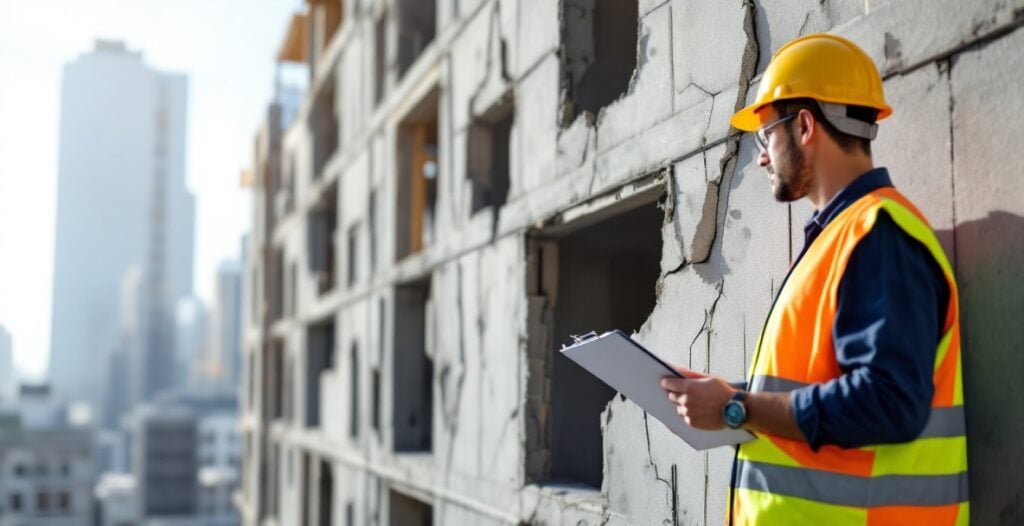
Building flaws can quickly turn a dream home into a costly headache. You might be dealing with unexpected cracks or curving walls that force you to re-think your entire space. Knowing the legal side of these mistakes is not just smart but necessary. In the Netherlands, responsibility for building problems is wrapped up in many detailed legal rules that affect everyone on a project. Law & More is ready to help with expert legal advice so that you never have to face these challenges on your own.
What Are Construction Flaws and Why Do They Matter?
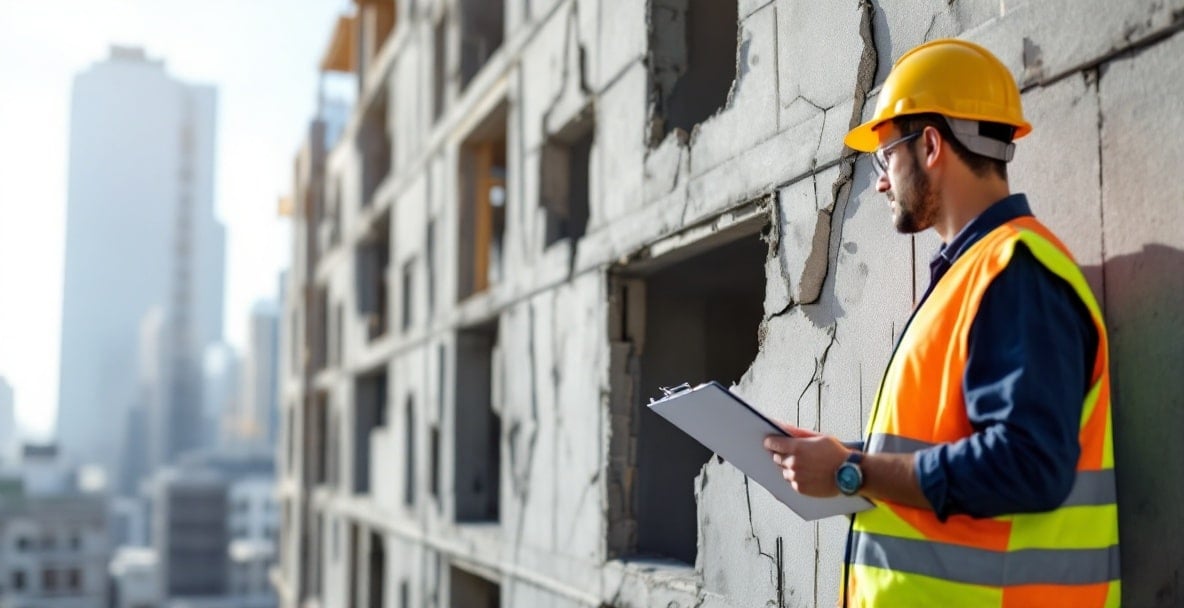
Building flaws are not just minor annoyances – they can chip away at a property’s value, safety, and everyday comfort. It is important to know what exactly counts as a flaw because that knowledge is the first move toward fixing the problem under Dutch law. When issues go unchecked, your home’s safety and appeal may suffer.
Defining Building Flaws
Building flaws include any problem in design, workmanship, or materials that can lower a property’s value or create a safety risk. They usually come in four types: issues with the design, the use of poor-quality materials, sloppy construction work, and problems with the ground conditions. Poor planning by architects or engineers can lead to design mistakes, while using cheap materials often creates material problems. When the work is not done properly, the result is a workmanship issue, and unstable ground that goes unchecked leads to subsurface concerns.
Dutch law recognizes all these types and sets clear rules for what counts as a flaw. Under the Dutch Civil Code, especially Articles 7:758 and 7:759, work is deemed defective if it does not meet the standard a client can reasonably expect. This standard of reasonable expectation is a key element in resolving real estate disputes across the country.
The Real Estate Side of Things
When it comes to property, building flaws can shake up both sales and prices. A defect that shows up only after purchase might force buyers to spend a lot of money on repairs, turning a promising deal into an expensive burden. Sellers can also be held responsible if they knew about these issues and did not disclose them. In our market, every buyer expects a property to match what was promised, and unexpected repairs can quickly derail that expectation.
In the Dutch property scene, what is known as the conformity principle requires that a home or building lives up to what was agreed upon in the purchase contract. If defects mess with that promise, buyers might have a strong case against the seller or even the original builder. Navigating these issues often calls for experienced legal help, especially since Dutch law imposes strict deadlines on defect claims.
Who Is at Fault? Grasping Responsibility in Construction
Determining who is to blame for building flaws means looking clearly at everyone involved in the project and knowing how the law assigns responsibility. It is not always a simple matter, and understanding the details behind each role can make a big difference.
Who Is Involved in Construction?
A building project usually involves several parties, and each might share some of the blame. Architects and engineers sometimes make mistakes in the design, while contractors or subcontractors can slip up during the building process. Even material suppliers can be held accountable if their products fail. Developers have an oversight role, and local inspectors or municipalities work to ensure that building codes are met. Responsibility can rest with one party or may be shared among all of them.
Legal Rules and Court Decisions
In the Netherlands, specific legal rules guide construction liability. The Dutch Civil Code, particularly Book 7, lays out the basics for service agreements, which include building contracts. Many projects also follow the UAV 2012 (Uniforme Administratieve Voorwaarden voor de uitvoering van werken) to set standard terms. Knowing these rules can help you understand where your rights stand.
Court decisions have also shaped how blame is determined. The well-known Haviltex criterion instructs that contracts should be interpreted based on what both parties reasonably expected of one another. The conformity principle reinforces that a finished project must match the promises made. These key ideas form the backbone of many legal cases involving construction flaws.
Liability limitations can also play an important role. Contractors might insert clauses that limit how much they can be held responsible, but Dutch courts sometimes set aside these clauses if they are too strict or if the defect resulted from serious carelessness or intentional actions. Understanding these limits is essential when you need to sort out a claim.
Spotting Issues: How to Notice Building Flaws
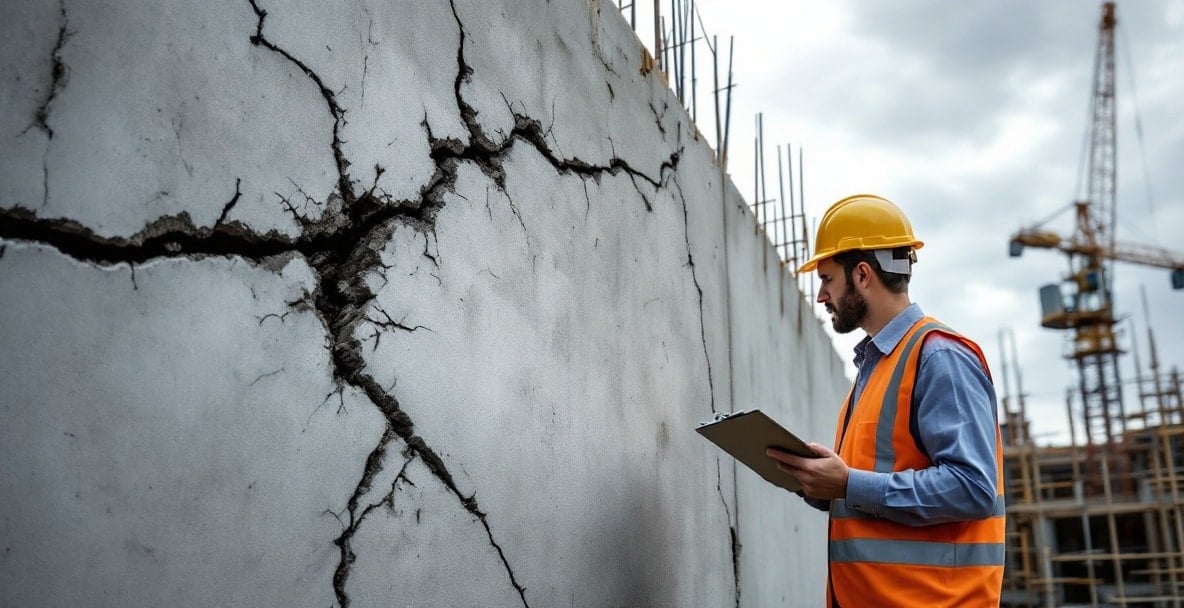
Finding building flaws as early as possible can change the outcome by opening the door to better fixes and lowering your risk. Keeping an eye out for warning signs allows you to act before minor issues turn into major headaches. Regular checks can keep your property safe and sound.
Usual Warning Signs of Building Flaws
You can often spot building flaws if you watch for common signs. Cracks in the foundation, walls, or ceilings might signal serious structural troubles. Water damage like damp spots, mold, or stains is frequently a sign that waterproofing is failing. Doors or windows that stick or do not close properly could indicate that the building is settling unevenly. Even electrical issues, such as breakers that regularly trip, could point to deeper wiring problems. Staying observant can help you catch these issues early on.
How Professional Inspections Help
Sometimes problems hide in places you would not normally look. This is why having a skilled inspector makes all the difference. In the Netherlands, many buyers use a pre-purchase inspection (bouwtechnische keuring) to uncover hidden defects. After construction, inspectors check that everything matches the contract and meets building codes. At times, expert assessments are called for, especially during legal disputes, to take a closer look at the issues. Professional inspections offer you that extra peace of mind.
Your Handy Guide to Tackling Building Defects

When you discover building flaws, it is important to take clear and lawful steps to address them. A solid plan that includes good record-keeping and knowing your legal options can lead to a better outcome. Acting quickly not only helps fix the problem but also protects your future. Act early to safeguard your investment.
The Importance of Solid Documentation
Good records are the backbone of any claim related to building flaws in the Netherlands. Start by taking clear photos and videos from different angles, making sure the date and time are visible. Keep a detailed log of when each defect was noticed and note any changes as time goes on. Save all contracts, blueprints, warranties, and any correspondence with builders. Detailed documentation can be the key to a strong claim when you need to prove your case.
In the legal world here, written proof holds a lot of weight. Send formal written notices (ingebrekestelling) to those responsible for the issues. In these letters, list every problem and ask them to fix it within a fair period, and send these via registered mail to create a reliable paper trail. A proper record can be your strongest defense if disputes arise.
Your Legal Avenues for Resolution
There are different legal routes to sort out building problems in the Netherlands. Many construction contracts include clauses for arbitration with bodies such as the Raad van Arbitrage voor de Bouw to handle disputes. Mediation can be a friendlier and more affordable option. For smaller claims, the kantonrechter provides a faster process, while larger cases may require going to a district court. Explore your options to choose the best way to move forward legally.
Time is also a key factor. Typically, you have five years from the moment a defect is discovered to file a claim, though an overall limit of 20 years from construction completion can also apply. For international clients who are less familiar with these rules, understanding these deadlines is very important. Time matters when building your case.
Once you pursue a claim, possible remedies include having the issue fixed by the responsible party, receiving compensation for repair costs, covering extra expenses like temporary housing, or even canceling the contract and refunding payments. Know your rights and take the necessary steps.
Moving Forward With Your Property
Once you have handled the current problems, it is time to look ahead and protect your real estate investments. Taking steps now to avoid future building flaws can save you from a host of issues later. Smart planning today paves the way for a better tomorrow.
How to Avoid Future Construction Flaws
Stopping problems before they start is key. Before you break ground on a new project, choose professionals who have a solid reputation. Check their credentials, confirm they are registered with the Chamber of Commerce (Kamer van Koophandel), and review their past projects. Talking to previous clients can also provide valuable insights into their work. Quality professionals make a big difference in the long run.
Pay close attention when drafting your contracts. Your agreement should clearly spell out quality standards, the materials to be used, timelines for completion, and warranty details. The more detailed you are, the more protection you receive. Including measures like independent inspections during key construction stages and verifying materials can provide extra security. Clear contracts are your best defense.
New standards are now in place with the Dutch Quality Assurance Act (Wet Kwaliteitsborging voor het Bouwen) effective from January 2024, along with the upcoming UAV-GC 2025 contract standards. These changes make quality checks stricter by requiring builders to show they are following the rules. Modern standards help ensure a high-quality build.
For families and businesses making big real estate investments, insurance provides extra protection. Construction All Risk insurance covers many problems during building, while latent defects insurance protects you against issues discovered later. Professional liability insurance for architects and contractors can also cover mistakes. The right insurance can save you a lot of trouble later on.
Final Thoughts and Your Next Steps
Dealing with building flaws is never easy, and the laws in the Netherlands can seem complicated. It is important to know who is responsible, how to spot the issues early, and the best way to fix them. Whether you are a homeowner troubled by defects, a developer managing risks, or an investor looking to protect your assets, expert legal advice is key. Get the guidance you need to secure your investment.
The legal details around construction defects here are complex, from deadlines to notification steps, from contract specifics to court decisions that set the standard. Understanding every angle of these rules can give you a clear path forward. Stay informed and take charge of your rights.
Need expert assistance with construction defect issues in the Netherlands? At Law & More, our experienced team provides comprehensive legal support for construction defect matters, helping you determine liability, pursue appropriate remedies, and protect your real estate investments. Contact us today to discuss your specific situation and develop a strategic approach tailored to your needs.