


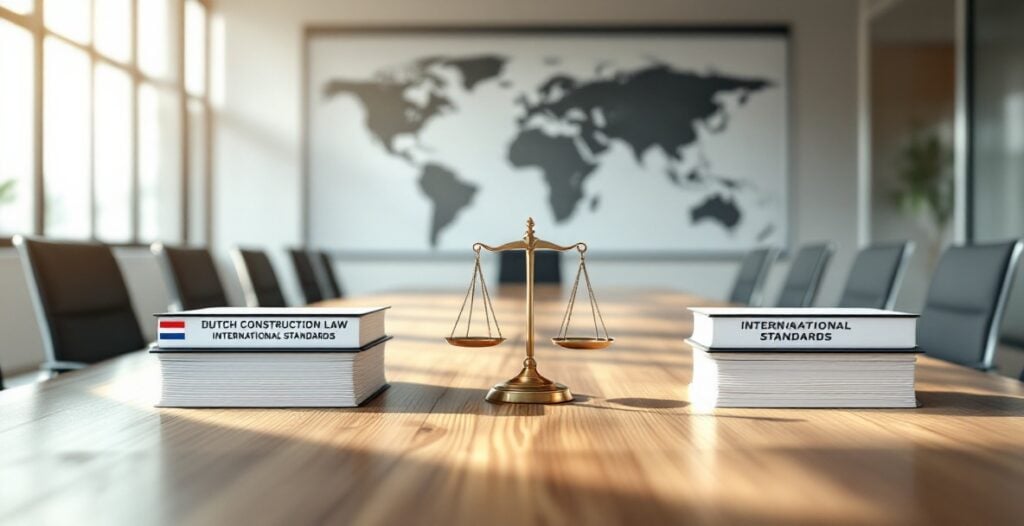
Navigating rules for construction projects can often feel like a tough puzzle, especially when working across borders. Dutch construction law has its own set of details that offer great opportunities while also bringing along some challenges. At Law & More, we know that understanding these specifics is key to keeping projects on track and avoiding unexpected hurdles.
Why Compare Dutch Rules with Global Guidelines?
Grasping the Basics
Construction rules set the stage for every building project, clearly laying out rights, duties, and the proper steps to follow. In the Netherlands, these rules have evolved according to local geography, culture, and history. If you are not used to these Dutch specifics, you might stumble in international work. Comparing these rules with those from other countries helps uncover potential risks and improve contract planning, ensuring smoother project execution. Such insights are essential for professionals, investors, and developers working across multiple borders.
Getting to Know Dutch Building Rules

The Core Ideas
Dutch building law stands on solid ideas that make it unique. One of these is contractual freedom, which allows parties to shape their own deals as long as they stay within legal limits. The law also stresses reasonableness and fairness, meaning that if sticking to a strict contract seems unjust, the rules can change things to keep matters fair. Moreover, the system uses one consistent framework for permits and zoning so that you don’t have to navigate wildly different local rules. When conflicts arise, a quick resolution through specialized arbitration panels is often preferred over long court trials.
How the Rules Fit Together
Understanding Dutch construction rules means grasping the layers of law behind each project. At the foundation is the Dutch Civil Code, especially Book 7, which covers service and building agreements. Laws like the Environmental Permitting Act and the Housing Act set the stage for permits and building quality. The Building Decree spells out the technical details, from safety measures to energy efficiency standards. A new Environmental and Planning Act aims to tie these elements together, even though its rollout has met some delays. On top of that, standard contracts like UAV 2012 and UAV-GC 2005 help keep everyone aligned on what to expect during a project.
Dutch Laws vs. Global Benchmarks: Similarities and Differences
Contracts and What They Mean
Looking at contracts reveals both common ground and clear differences. Dutch agreements share some elements with global standards such as FIDIC contracts, yet they handle risk in their own way. For example, Dutch contracts typically place more risk on the employer when unexpected ground conditions occur, whereas many common law systems tend to favor the contractor. Dutch law also upholds the idea of good faith more broadly than some other countries, allowing judges to step in if strict contract terms seem unfair. Additionally, payment security mechanisms in the Netherlands give extra protection to subcontractors, though provisions for change orders may be less flexible compared to international practices.
Safety and Green Building Standards
Dutch safety rules align closely with European guidelines and cover everything from job-site safety to material standards. The system places a strong emphasis on planning for safety long before construction starts, which has a big impact on preventing accidents. When it comes to the environment, Dutch rules are especially strict because of the country’s water management needs, high population density, and delicate land. Builders face tough sustainability standards for everything from soil protection to energy efficiency that often exceed those found in other places. New rules on nitrogen emissions and tighter energy targets push Dutch projects to lead in eco-friendly building, even if that means higher costs upfront.
Resolving Disputes: Dutch Ways vs. Global Trends
The Netherlands has set up smart ways to iron out construction disputes quickly and fairly. A dedicated Construction Arbitration Board is in place to handle conflicts without the lengthy process of court trials. This method, which many find effective, is used more often in the Netherlands than in several other countries. They also offer a quicker path through expert determination for resolving technical issues without all the formality of full arbitration. Many Dutch contracts include steps that require parties to negotiate before jumping into more formal dispute resolution, making the whole process smoother and more predictable.
What This Means for Project Players
Tackling the Legal Maze
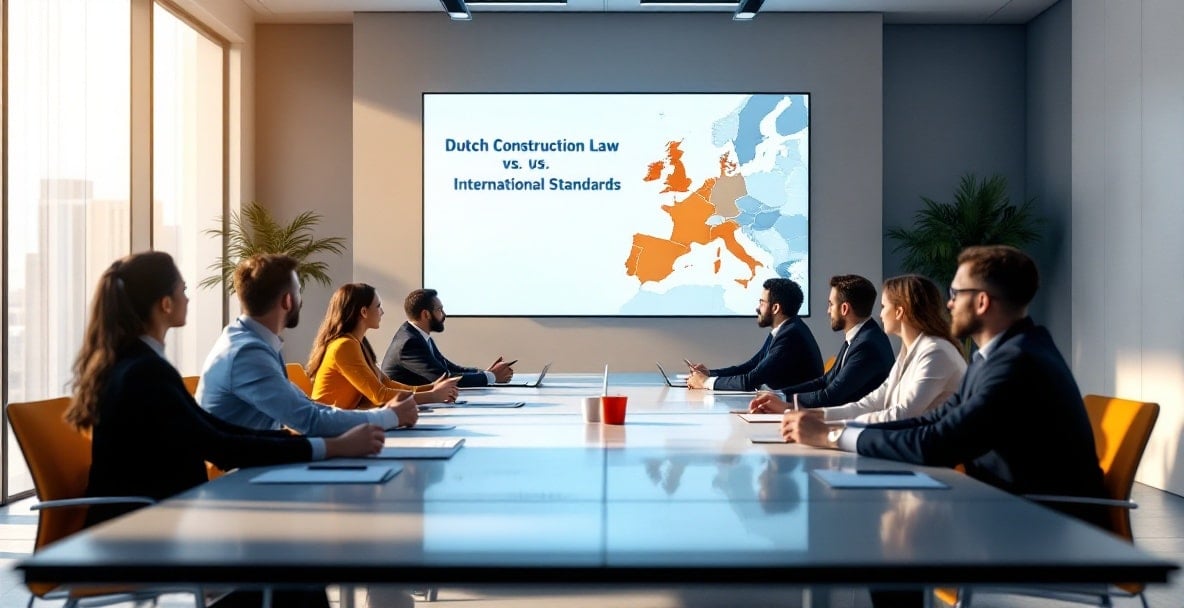
For those stepping into Dutch construction, there are several legal twists that need careful handling. Permit processes might be more streamlined than in many other countries, but they still call for local expertise to get everything right and avoid delays. At Law & More B.V., we work with international clients to ensure each permit application ticks every box. Choosing the right contract is crucial too, particularly if you are used to global templates like FIDIC. Deciding whether to stick with local forms such as UAV 2012 or adapt international documents calls for a careful look at project details and risks. Understanding liability rules, such as longer periods for construction defects, can prevent future expenses and challenges.
New Paths for Innovation
Even with these challenges, Dutch construction law opens up unique chances for fresh ideas. The practical nature of the system offers flexibility that often allows for innovative approaches while still meeting strict requirements. An integrated contract system like UAV-GC 2005 makes it easier for teams to work together in modern ways. The nation’s strong focus on eco-friendly building and digital tools like BIM creates an environment that rewards forward-thinking strategies. This mix of challenges and opportunities means that if you play your cards right, you can turn obstacles into competitive advantages.
Connecting Dutch and Global Standards
A close look at how Dutch building rules measure up to global benchmarks shows a blend of common practices and special twists that directly affect project outcomes. Although Dutch construction law is tuned to local needs and heritage, it also shares many methods with international systems, particularly within Europe. For anyone mixing local with global projects, knowing these ins and outs is key to managing risks and ensuring success. At Law & More, our deep knowledge of Dutch law combined with a global perspective makes us well-equipped to help you navigate the legal maze with confidence.
By spotting both the challenges and opportunities within Dutch construction law, you can craft strategies that use the best of the local system while reducing potential problems. Our team at Law & More is ready to support you whether you are a local player or coming from abroad. Our multilingual experts and offices in Eindhoven and Amsterdam ensure you get the guidance you need while understanding every detail of the Dutch construction legal framework.
Need expert guidance navigating Dutch construction law for your project? Contact Law & More today to schedule a consultation with our specialized team. We’ll help you understand your legal obligations, optimize your contracts, and ensure compliance while advancing your construction goals in the Netherlands.