


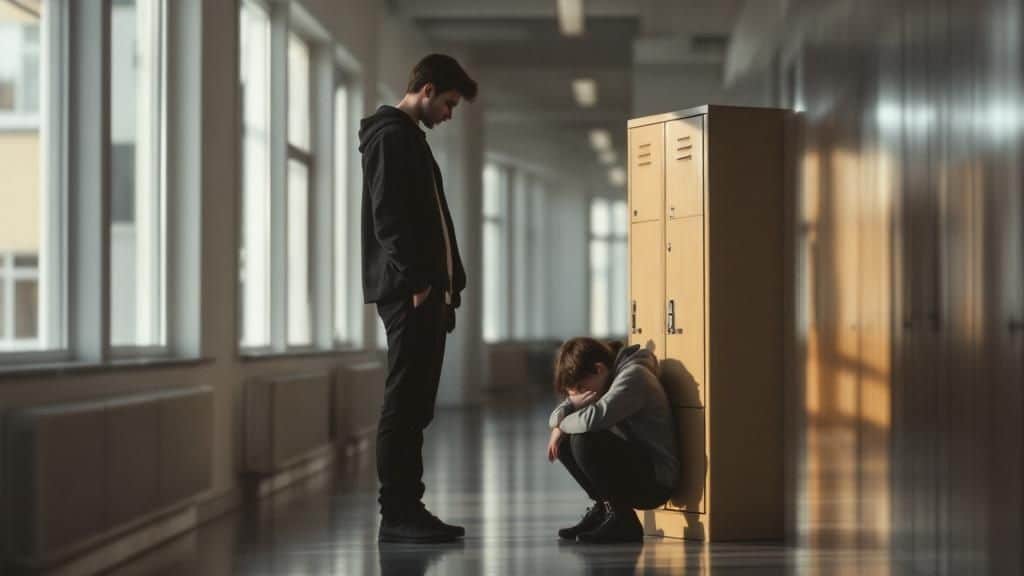
Bullying is far more than a simple childhood tiff; it's a repeated, harmful pattern of behaviour fuelled by an imbalance of power. At its core, it’s a persistent and intentional act designed to cause distress, and it can leave lasting scars on a person’s sense of safety and self-worth. In the Netherlands, just as elsewhere, getting to grips with this definition is the first real step toward tackling the problem.
What Bullying Looks Like in the Netherlands
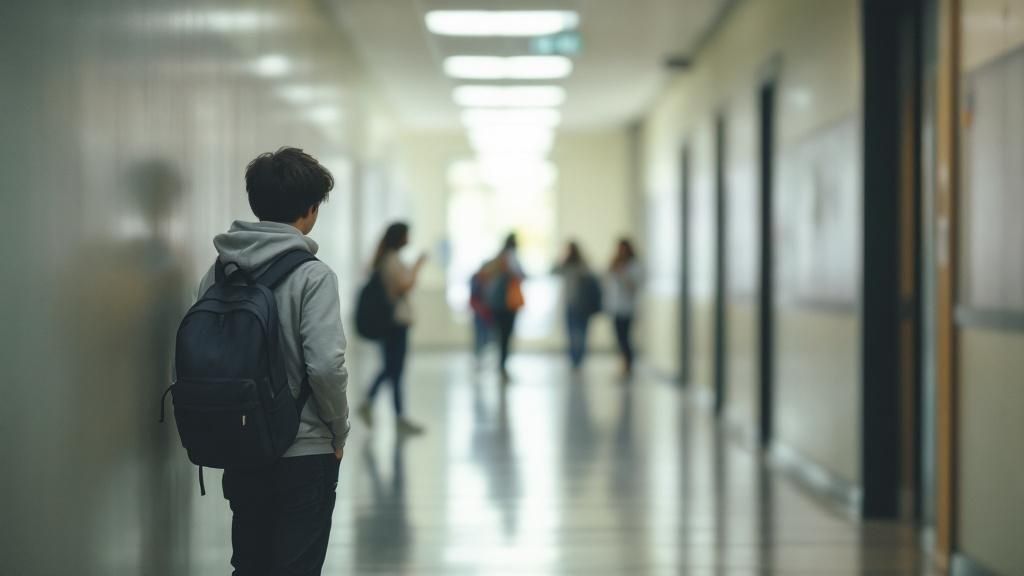
To really understand the damage bullying can do, we need to look beyond textbook definitions. Don't think of it as a single, isolated incident. Picture it more like a slow, corrosive drip. Each taunt, each shove, each malicious rumour is another drop of water, slowly but surely wearing away a person’s confidence, happiness, and mental wellbeing.
It's this persistent nature that really separates bullying from a normal conflict. A disagreement between equals, even a heated one, is a standard part of social life. Bullying, though, is built on a power imbalance. This might be physical strength, social status, or even having access to embarrassing information. The person doing the bullying exploits this advantage to control or harm someone who feels they can't effectively defend themselves.
The Core Elements of Bullying
Bullying isn't just random unkindness; it’s a pattern with three consistent components. Being able to spot these elements is vital for parents, teachers, and anyone who finds themselves a target.
- Intentional Harm: These actions aren't accidental. The goal is to inflict physical or emotional pain, whether through words, actions, or exclusion.
- Power Imbalance: There's a real or perceived difference in power. One person holds more social sway, is physically bigger, or has some other advantage that leaves the target feeling helpless.
- Repetition Over Time: The harmful behaviour isn't a one-off. It happens again and again, creating a sustained atmosphere of fear and anxiety for the victim.
Bullying creates an environment where a person simply no longer feels safe—not in the schoolyard, not at work, and not online. Being in this constant state of alert can lead to severe stress, social withdrawal, and a drop in academic or professional performance. It chips away at a person's fundamental right to feel secure.
Beyond the Schoolyard
While we often picture bullying happening between children in schools, it’s a problem that affects people of all ages and in all sorts of settings across the Netherlands. It happens in the workplace, on sports teams, within community groups, and, more and more, in digital spaces.
The methods might change, but the underlying dynamics of power and control are always the same. Grasping this broader context is crucial. It helps us see bullying not as a mere childhood phase, but as a serious societal issue that requires a clear and consistent response, no matter where it occurs. With this foundation, we can start to explore its specific forms and the legal frameworks in place to fight it.
Recognising the Different Forms of Bullying
Bullying isn't a single act; it’s a spectrum of harmful behaviours that can show up in surprisingly different ways. To tackle bullying effectively, we first have to learn to identify its various faces. Some forms leave visible bruises, while others inflict deep, invisible wounds on a person’s psyche. Making these distinctions is the first real step towards intervention and support.
First, let's look at the different types of bullying and what they commonly look like. The table below breaks down the main categories to help you spot them more easily.
Types of Bullying and Common Examples
| Type of Bullying | Definition | Examples |
|---|---|---|
| Physical | Using one's body or objects to exert control through force. | Hitting, pushing, tripping, stealing or damaging property. |
| Verbal | Using spoken or written words to taunt, threaten, or insult. | Name-calling, spreading rumours, making threats, teasing. |
| Social | Harming someone's reputation or relationships. | Exclusion, public humiliation, spreading lies to isolate someone. |
| Cyber | Using digital platforms to harass, threaten, or humiliate. | Sending abusive texts, posting false information, sharing embarrassing photos. |
Now, let's explore each of these in a bit more detail to understand the real-world impact they have.
Physical Bullying
The most straightforward form is physical bullying. This is what most people picture first: using force to intimidate or harm someone. It involves direct contact and is often the most visible type of aggression.
This could be anything from shoving and tripping someone in the school corridors to hitting, punching, or kicking. It also includes damaging or stealing someone's personal belongings, like their backpack or phone.
While its effects are often physical, the emotional toll of constant fear can be just as severe. It can make a child feel completely unsafe in their own school.
Verbal and Social Bullying
Beyond physical contact, we have verbal bullying, which uses words as weapons to demean and control. This form is insidious because it can happen anywhere, at any time, and often leaves no physical evidence. The goal is to chip away at a person's self-esteem through relentless taunts and threats.
Common examples are persistent name-calling, insults about someone's appearance or intelligence, and making threats of physical harm. It’s a constant barrage of negativity designed to make the target feel worthless.
Then there is social or relational bullying, a more subtle but equally destructive form of harm. This type aims to destroy a person's reputation and social standing. It’s a calculated manipulation of social relationships to exclude and ostracise someone from their peer group.
Think of it as social sabotage. This can involve spreading false rumours, encouraging others to ignore someone, or publicly embarrassing a person to damage their social status. This form of bullying can be incredibly painful, as it attacks the fundamental human need for belonging.
The Dangers of the Digital Playground
In recent years, a fourth category has become alarmingly common: cyberbullying. This takes the principles of verbal and social bullying and amplifies them through digital technology. The screen provides a mask of anonymity, often emboldening people to be far crueller than they would be face-to-face.
Cyberbullying can feel inescapable. Unlike schoolyard bullying that might end when the bell rings, digital harassment can follow a person home and continue 24/7. This relentless nature makes it particularly damaging. To effectively manage this, implementing a robust social media policy for schools is a vital step for educational institutions.
"The permanence of the internet means a single humiliating post, image, or rumour can be shared endlessly, creating a digital footprint that can haunt a person for years. This makes escape and recovery incredibly difficult."
Cyberbullying is a significant issue for young people in the Netherlands. Research shows that 21.4% of adolescents between 14 and 17 have experienced online victimisation in the last year, with girls being targeted more frequently than boys. This highlights the urgent need to address bullying in online spaces.
Recognising these different forms is crucial for everyone. By seeing the full picture of what bullying looks like, parents, educators, and peers are better equipped to spot the signs and take meaningful action.
The Growing Bullying Problem in Dutch Schools
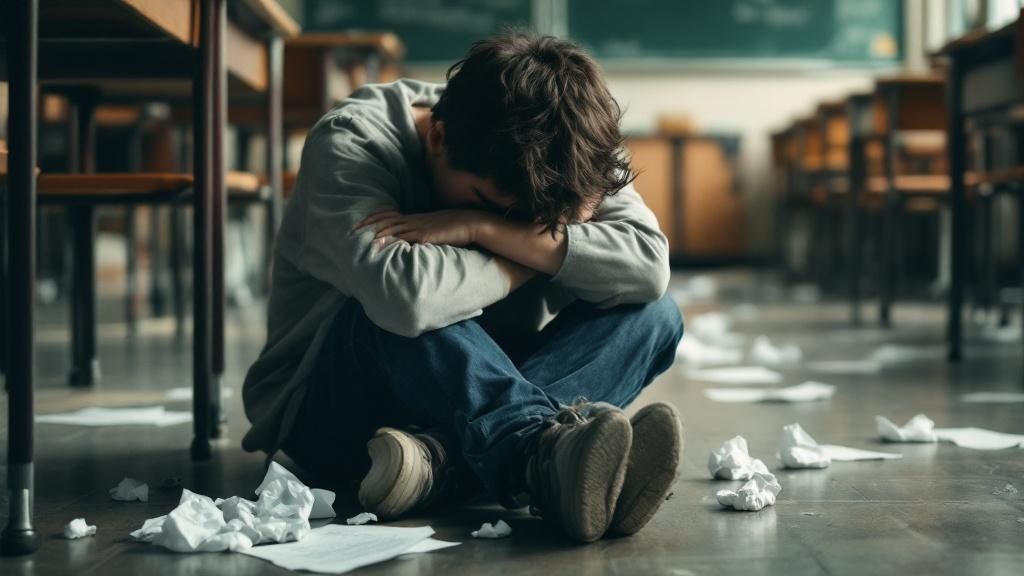
While bullying has always been a shadow in school hallways, recent data from the Netherlands shows a troubling trend. Incidents aren't just continuing; they're actively on the rise, creating urgent new challenges for educators, parents, and especially, the children themselves. This isn't just about more playground spats; it's a significant increase in harmful, repeated behaviour that damages both learning and well-being.
The situation in Dutch primary schools is a particular cause for concern. The latest figures paint a stark picture.
According to a report from the Dutch Education Inspectorate, reported bullying cases in primary schools surged from 880 incidents in the 2021-2022 school year to 1,270 in 2023-2024. This represents a worrying 33% increase in just two years.
This escalation is more than just numbers on a page. Every incident represents a child whose school experience is being shaped by fear, anxiety, and isolation. The jump in reported cases has, quite rightly, caught the attention of policymakers and has sparked discussions about making it mandatory for schools to appoint confidential inspectors to create a safer channel for students to come forward.
Factors Behind the Increase
So, why is bullying becoming more common? There isn't a single cause, but rather a combination of societal shifts and classroom dynamics that appear to be fuelling the problem.
A significant factor is the post-pandemic adjustment period. Many children have had disruptions in their social development, which can affect how they manage conflict and empathise with their peers. For some, the return to busy social settings after long periods of isolation has created friction and anxiety that can sometimes bubble over into aggressive behaviour.
On top of this, the constant presence of digital devices adds another layer of complexity. What begins as a classroom disagreement can quickly spill over into online spaces, where it can escalate rapidly without direct supervision. This blurs the line between school and home, making it incredibly difficult for children to find a safe escape from harassment.
From Taunts to Severe Intimidation
It’s not just the frequency of bullying that’s changing, but its nature as well. While verbal taunts and social exclusion are still common, there's a growing concern about the severity of the incidents. We're seeing a shift from simple insults to more calculated psychological intimidation and, in some cases, physical aggression. This intensification presents a serious challenge for schools trying to maintain a safe learning environment.
This pattern of repeated harassment can have devastating, long-term consequences for a child’s mental health. The constant stress often leads to:
- Increased Anxiety and Depression: Children who are bullied are far more likely to experience feelings of sadness, loneliness, and persistent anxiety.
- Lower Self-Esteem: The relentless negativity erodes a child’s confidence and sense of self-worth.
- Academic Decline: It's hard to focus on learning when you feel unsafe or are preoccupied with a social threat.
- Social Withdrawal: Victims may start avoiding social situations, school events, and even friendships to protect themselves.
In very serious cases, the relentless nature of bullying can be compared to other forms of persistent harassment. While legally distinct, it's crucial to understand how repeated, unwanted contact creates fear. For those interested, you can check out our guide on https://lawandmore.eu/blog/how-to-handle-stalking-legally-and-effectively/ to learn more about the legal frameworks surrounding persistent harassment. This context helps highlight the serious psychological impact that sustained intimidation can have on an individual, whether it happens in the schoolyard or elsewhere.
Understanding Racist Bullying in Dutch Education
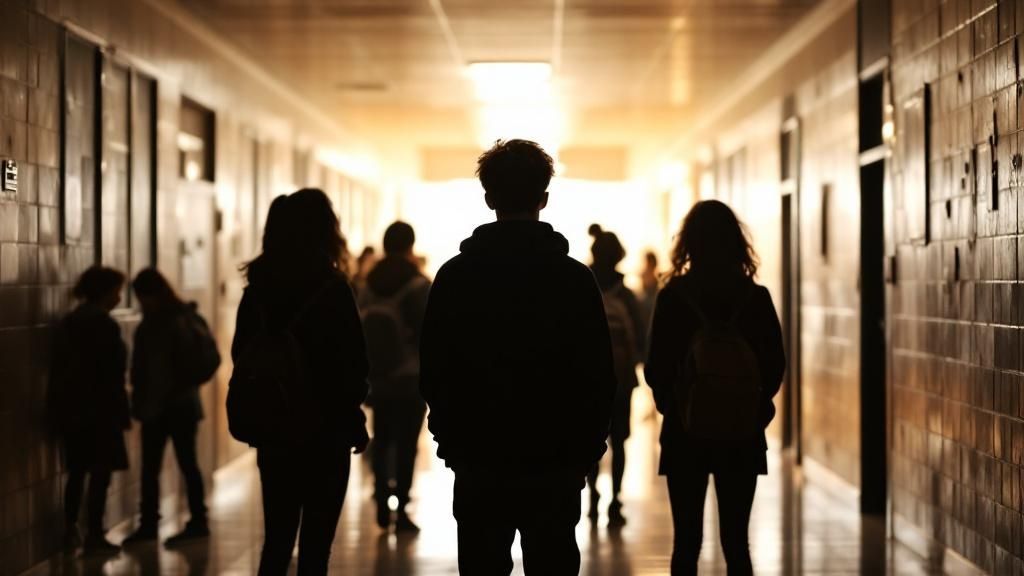
When we talk about harassment, racist bullying is in a league of its own. It’s uniquely destructive because it doesn’t just target a person's feelings; it attacks the very core of their identity. This is a significant and ongoing problem right here in the Dutch education system, creating an atmosphere of fear and exclusion for countless students from minority backgrounds.
This isn’t about simple playground spats or name-calling. Racist bullying zeroes in on an individual's ethnicity, culture, or religion. It’s behaviour designed to make them feel unwelcome and fundamentally unsafe. Unlike other conflicts, it's deeply rooted in prejudice and systemic bias, inflicting a double injury: the immediate emotional pain and the long-term damage to a student's sense of belonging.
The Scope of the Problem in the Netherlands
It's tempting to think of racist bullying as isolated incidents happening in a few schools, but the data tells a much starker story. The reality for many children from minority backgrounds in the Dutch primary school system is deeply troubling.
Research paints a clear picture: racism-related bullying is a major issue. A staggering 38% of pupils with Turkish, Moroccan, or Surinamese backgrounds have experienced it during their school years. This runs the gamut from overt acts like name-calling based on skin colour to more subtle forms of social exclusion.
This statistic isn't just a number. It represents a huge portion of students being forced to navigate a learning environment where they are targeted for who they are. The fallout from these experiences can affect everything from their academic performance to their long-term mental health. This is a very different beast from harassment in a professional setting, where other dynamics are at play. You can read more about what constitutes transgressive behaviour in the workplace in our other guides.
Overt Aggression and Subtle Exclusion
Racist bullying isn't always loud and obvious. It can be subtle, almost invisible, which makes it even more insidious. To tackle the problem effectively, we have to be able to recognise both its overt and covert forms.
- Overt Racist Bullying: This is the most direct form. Think of racial slurs, derogatory jokes about someone's culture, or mocking an accent. It can also escalate to physical intimidation driven by racial prejudice. It's impossible to miss.
- Covert or Subtle Bullying: This is harder to pin down but can be just as corrosive. It shows up in microaggressions, like making assumptions based on stereotypes, or in deliberate social exclusion. A student might be consistently ignored or left out of group activities purely because of their background.
Imagine being the student who is always "forgotten" when teams are picked for sports, or hearing classmates whisper stereotypical jokes as you walk past. These seemingly small actions build up over time, chipping away at a child's confidence and making them feel like a perpetual outsider.
The Critical Role of Educators and Systemic Failures
Teachers and school administrators are on the front lines, and how they respond—or fail to respond—is critical. The right intervention can stop bullying in its tracks and send a powerful message that this behaviour is unacceptable. Too often, however, systemic failures mean these incidents are mishandled or missed entirely.
Sometimes, an educator might not recognise the more subtle forms of racism, dismissing them as a simple disagreement. Other times, they may just lack the proper training to navigate such a sensitive situation, leading to responses that accidentally blame the victim or downplay the incident's severity.
When a school fails to act decisively, it tacitly condones the behaviour. This can embolden bullies and leave victims feeling even more isolated and helpless. To truly dismantle these prejudiced behaviours, it's vital for educators to explore foundational resources on understanding racism that build crucial awareness.
Ultimately, tackling racist bullying requires a proactive, educated approach from the entire school community. It's not just about having policies on paper; it's about a deep, unwavering commitment to building an environment where every single student feels safe, valued, and seen.
How to Report Bullying and Know Your Rights
When you discover your child is being bullied, it can feel overwhelming, like you’re lost without a clear path forward. Thankfully, the Dutch legal system provides a solid framework to protect students, built around a key concept: the duty of care, or 'zorgplicht'. This is a powerful legal obligation requiring every school to guarantee a safe learning environment for all its pupils.
Understanding this duty is the first step toward empowerment. It’s not just a recommendation; it's a legal mandate under the Dutch 'Wet Veiligheid op school' (Act on Safety at School). This means schools aren't just expected to have an anti-bullying policy—they are legally required to actively implement it, monitor student safety, and take decisive action when bullying occurs.
If a school fails in this duty, you have the right to hold them accountable. Knowing the correct steps for reporting and escalating the issue is critical to getting results and protecting your child.
Your Step-by-Step Guide to Reporting Bullying
Taking action can feel daunting, but a structured approach ensures your concerns are heard and dealt with properly. The idea is to start at the school level and methodically move up the chain if the response isn’t good enough. This process is designed to give the school every chance to fix the problem internally before external authorities need to step in.
Here's a breakdown of the typical escalation path for reporting bullying in the Netherlands. Think of it as a roadmap to get your concerns to the right people at the right time.
Bullying Reporting Escalation Path
| Step | Who to Contact | Key Action/Purpose |
|---|---|---|
| 1 | Teacher or Mentor ('Leerkracht' or 'Mentor') | Your first conversation. The goal is to alert the school to the problem and find a quick, informal solution. |
| 2 | Confidential Advisor ('Vertrouwenspersoon') | A trained staff member who offers support, can mediate, and explains the school's official procedures. |
| 3 | School Board ('Schoolbestuur') | The school's formal governing body. You contact them when earlier steps haven't resolved the issue. |
| 4 | Education Inspectorate ('Onderwijsinspectie') | The national oversight body. They step in when a school is systematically failing its legal duty of care ('zorgplicht'). |
Following these steps in order creates a clear record of your efforts and gives the school a fair opportunity to resolve the situation at each stage.
Taking the First Steps Within the School
Your first move should always be to set up a meeting with your child's teacher or mentor. Come prepared. Document everything you can: dates, times, specific incidents, and who was involved. Present these facts calmly. The goal here is to work together on a solution, not to start a fight.
If the bullying continues or you feel you're not being taken seriously, your next port of call is the school's confidential advisor ('vertrouwenspersoon'). This person is specifically appointed to handle sensitive issues and can walk you through the school’s formal anti-bullying protocol. They serve as a neutral party to make sure the proper process is followed.
When to Escalate Beyond the School
If you’ve gone through the school's internal channels and the bullying hasn't stopped, it's time to escalate. Your first external move is filing a formal complaint with the school board ('schoolbestuur'). This is a serious step that legally obliges the board to investigate and give you a formal response.
Should the school board's action prove insufficient, your final option is the Dutch Education Inspectorate ('Onderwijsinspectie'). The Inspectorate doesn't get involved in individual bullying cases, but it will intervene if there’s proof that a school is structurally failing in its duty of care. This is especially relevant if a school has a poor safety plan or a track record of ignoring reported incidents.
The principle is simple: every child has a right to feel safe at school. The law backs this up, and there is a clear process to enforce it. Never hesitate to use these channels if you believe a school is not living up to its legal responsibilities.
When Bullying Becomes a Criminal Offence
Most bullying is handled through school procedures. However, some behaviour crosses a line and becomes a criminal offence under Dutch law. It's vital to recognise when this happens, as it opens up an entirely different set of legal avenues. While "bullying" itself isn't a specific crime, many actions that fall under its umbrella certainly are.
Certain acts can be reported to the police ('aangifte'):
- Assault ('Mishandeling'): Any kind of physical violence, from shoving to hitting, that results in injury.
- Threats ('Bedreiging'): Seriously threatening violence against a person or their property.
- Slander or Libel ('Smaad' or 'Laster'): Deliberately spreading lies to ruin someone's reputation.
- Discrimination ('Discriminatie'): Harassment driven by race, religion, gender, or sexual orientation.
If your child is experiencing bullying that includes any of these elements, you should contact the police. They can launch a criminal investigation, which is a process entirely separate from any action the school is taking.
While this guide focuses on schools, similar principles apply in professional settings. For adults facing these issues, reading about dealing with workplace bullying can offer valuable insights into your legal protections and reporting options. Knowing your rights is always the first step toward taking effective action, no matter your age or environment.
Frequently Asked Questions About Bullying

Navigating the complexities of bullying can leave parents, students, and educators with urgent questions. This section cuts straight to the point, offering direct, actionable answers to some of the most common concerns we hear. Think of it as your quick-reference guide to find clarity and take your next steps with confidence.
What Is the First Step if My Child Is Being Bullied at a Dutch School?
Your absolute first step is to create a safe space for your child to talk. Listen without judgement, letting them share what’s been happening. Your supportive ear is the most important thing right now.
Next, you must document everything. Start a log immediately. Note down dates, times, specific incidents, locations, and the names of anyone involved. This detailed record will become your most powerful tool.
With this information in hand, schedule a meeting with your child's primary teacher ('leerkracht') or mentor. Your goal in this first meeting is simple: calmly present your documented concerns, ask about the school’s anti-bullying protocol, and start working together on an action plan.
Is Cyberbullying Considered a Crime in the Netherlands?
While 'cyberbullying' isn't a distinct criminal offence on its own, many of the actions that fall under its umbrella are absolutely illegal under Dutch law. The fact that the harassment happens online doesn't make the underlying act any less serious.
For instance, behaviours like making threats ('bedreiging'), slander or libel ('smaad' or 'laster'), and incitement to hatred ('aanzetten tot haat') are all prosecutable criminal offences. Sharing private images without consent is also illegal.
If you believe the online harassment has crossed into criminal territory, you have every right to file a police report ('aangifte'). It is vital to preserve all digital evidence—screenshots of messages, social media posts, user profiles—to build a strong case.
What Are a Dutch School's Responsibilities in Preventing Bullying?
Schools in the Netherlands have a significant legal obligation to prevent bullying. The 'Wet Veiligheid op school' (Act on Safety at School) places a legal duty of care, or 'zorgplicht', on every school to provide a socially safe environment for all students.
This isn't just a suggestion; it's a mandate. It requires schools to have a robust anti-bullying policy, actively monitor pupils' social safety, and appoint at least one dedicated anti-bullying coordinator.
They must also have a clear, formal procedure for handling complaints. If a school fails to take reasonable action to stop bullying and protect a student, it can be held accountable by the Education Inspectorate ('Onderwijsinspectie'). This legal framework empowers parents to demand action, ensuring schools cannot simply ignore the issue.
What Support Organisations Are Available in the Netherlands?
Thankfully, you don't have to face this alone. Several excellent organisations in the Netherlands offer support, expert advice, and a listening ear for children, parents, and educators alike.
Here are a few key resources:
- De Kindertelefoon: A free, confidential service where children and young people can talk about any problem, including bullying. It gives them a safe outlet to share their experiences.
- Ouders & Onderwijs: An invaluable resource for parents, providing clear information and support on all education-related issues. They can help you understand your rights and options.
- Pestweb.nl: Another fantastic online resource offering specific advice for children, parents, and schools on how to tackle bullying effectively.
- Meldpunt Discriminatie: If the bullying is rooted in discrimination (based on race, religion, etc.), this is the official agency to contact for specialised guidance and support.
Reaching out to these organisations can be a crucial step. They provide both emotional support and practical guidance, helping you navigate what comes next with greater confidence.