
Are you looking for
A Law Firm in the Netherlands?
- We are used to work for local and international clients.
- High service level for every client, individuals as well as companies or institutes.
- We are available. Also today.
#1 Law firm in Eindhoven and Amsterdam – Law & More
Easily accessible
Law & More is available Monday to Friday from 08:00 to 22:00 and on weekends from 09:00 to 17:00
Good and fast communication
Our lawyers listen to your case and provide an appropriate plan of action and sound advice tailored to your needs
Personal approach
Our working method ensures that 100% of our clients recommend us and that we are rated on average with a 9.7
Our Practice Areas
Comprehensive legal services across nine specialized areas of law, serving clients throughout the Netherlands and internationally.
Why Choose Law & More?
With two decades of experience, we’ve built a reputation for excellence in legal services. Our international team combines Dutch expertise with a global perspective.
Expert Knowledge
Specialists in Dutch and international law with proven track records.
Client-Focused
Personal attention and clear communication throughout your case.
Trusted & Confidential
Complete discretion and commitment to protecting your interests.
Proven Results
Thousands of successful cases across all practice areas.
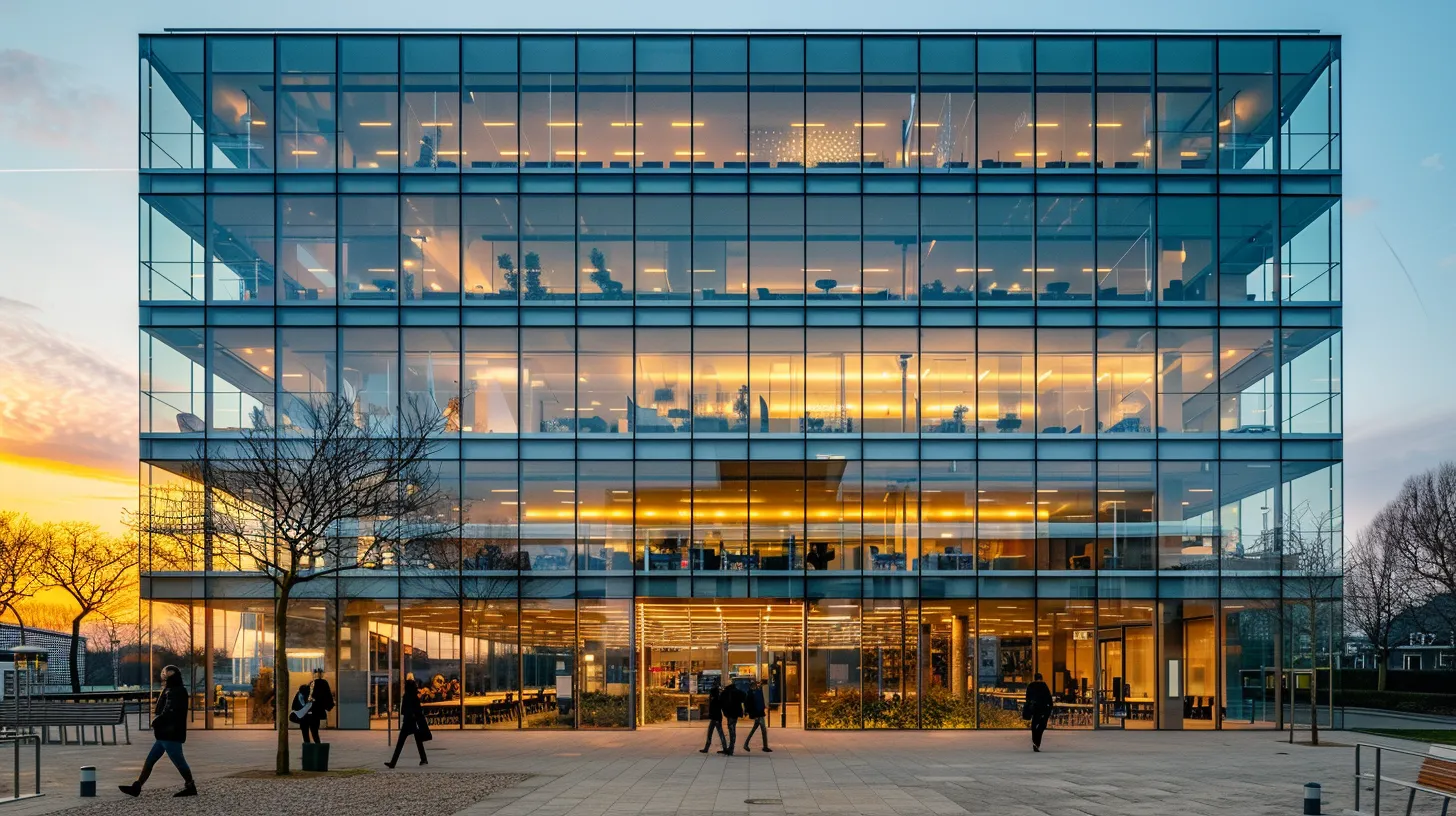

Who are the lawyers at Law & More?
We are a dynamic Dutch law firm with an international character, specializing in various areas of Dutch law. Our lawyers speak Dutch, English, German, Spanish, Turkish, Polish (Mo – Thu), Italian (Mo – Wed) and Russian (Mo and Thu). Our firm offers services in a large number of areas of law for companies, governments, institutions, and individuals.
Our clients come from the Netherlands and abroad. We are known for our committed, accessible, driven, no-nonsense approach. Your interests are always paramount to us; We are directly approachable.
- You can contact Law & More for virtually all matters for which you need a lawyer or legal adviser.
- Your interests are always paramount to us;
- We are directly approachable;
- Appointments can be made by phone (+31403690680 or +31203697121), email ([email protected]) or via our online tool lawyerappointment.nl;
- We charge reasonable rates and work transparently;
- We have offices in Eindhoven and Amsterdam.
Is your specific question or situation not on our website? Do not hesitate to contact us. Probably we can help you as well.
Our Team
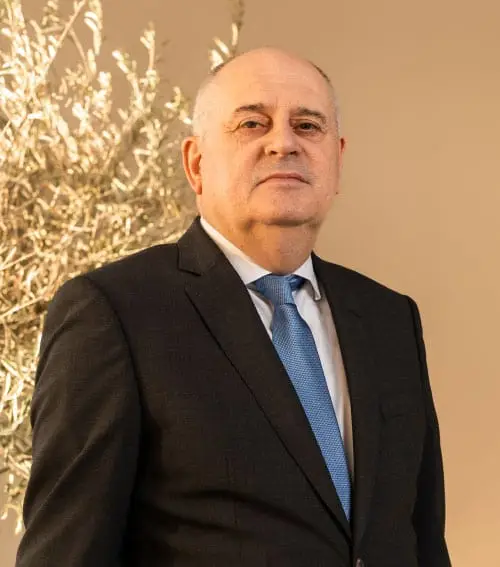
Tom Meevis
Managing Partner / Attorney-at-law
Tom Meevis
Managing Partner / Attorney-at-law
analytical, strategic and communicative
Service is a top priority for Tom. You will never have to wait long for him to reply to an email. A good relationship with the client is important to Tom. There is close coordination with the client about what happens in the context of the assignment.
Tom's analytical approach allows him to accurately assess legally complex situations. He thinks highly strategically to achieve the best possible outcome for his client.
He takes all possibilities into consideration. Within Law & More, Tom focuses on general practice. He is the firm's negotiator and litigation specialist.
- Phone:+1 (859) 254-6589
- Email:[email protected]

Ruby van Kersbergen
Attorney-at-law
Ruby van Kersbergen
Attorney-at-law
A small river named Duden flows by their place and supplies it with the necessary
- Phone:+1 (859) 254-6589
- Email:[email protected]

Aylin Acar
Attorney-at-law
Aylin Acar
Attorney-at-law
A small river named Duden flows by their place and supplies it with the necessary
- Phone:+1 (859) 254-6589
- Email:[email protected]
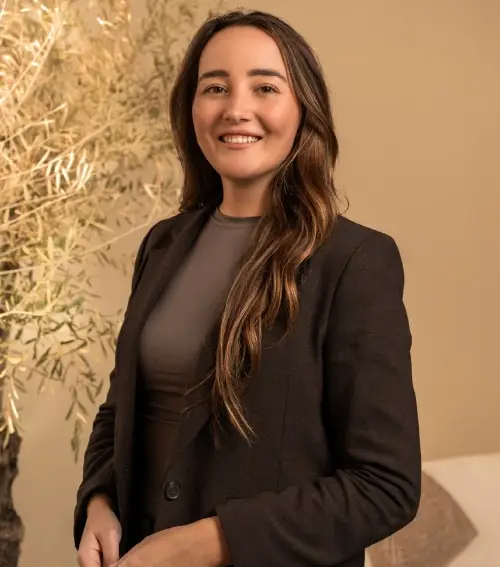
Michelle Marjanovic
Attorney-at-law
Michelle Marjanovic
Attorney-at-law
A small river named Duden flows by their place and supplies it with the necessary
- Phone:+1 (859) 254-6589
- Email:[email protected]

Jade Vaneerdewegh
Attorney-at-law
Jade Vaneerdewegh
Attorney-at-law
A small river named Duden flows by their place and supplies it with the necessary
- Phone:+1 (859) 254-6589
- Email:[email protected]
The Working Method of our Lawyers
We follow a structured approach to ensure the best outcomes for our clients.
1
Acquaintance
Curious about your position in a legal matter and what Law & More can do for you? It is important to consult an attorney-at-law (advocaat) for your legal matters, as they can provide expert and tailored advice. Please contact Law & More. You can get acquainted with and submit your question to our lawyers by telephone or e-mail. If desired, they will schedule an appointment for you at the Law & More office.
Discussing the case
During the appointment at the Law & More office, we will get to know you further and discuss the background of and the possible solutions to your legal matter. The focus is placed on your specific legal matter, allowing us to provide targeted advice. The lawyers of Law & More will also outline the specific actions they can take for you and your next steps.
2
Step-by-step plan
When you instruct Law & More to represent your interests, our lawyers will draw up a contract for services. This contract is drawn up with a clear description of the subject matter and the scope of the contract, outlining the agreements made and setting out the arrangements that have previously been discussed with you.
3
Handling the case
The way in which your case is handled depends on your legal question. If you are faced with a legal dispute, our lawyers will guide you step by step through the process and provide you with expert advice. At Law & More we understand that every client and situation is different. That is why we use a personal approach, handling each case with care and dedication. Our lawyers manage your case with personal attention and full dedication. We keep you informed at every step, ensuring you always know the status of your matter and what to expect next.
4
Latest Insights
Stay informed with the latest legal news, updates, and expert analysis from our team.

Shares can be worth a great deal, but they cannot simply be liquidated: behind every

Imagine two situations. In the first, a man runs away after a robbery, an officer

One moment of inattention. You glance at your phone, drive through a red light and
Frequently Asked Questions
Find answers to common questions about our legal services.
The costs of a lawyer depend on the type of assignment and its duration.
The costs of our legal services are usually calculated on the basis of the hourly rate and charged at the end of a period. However, in some cases, a fixed price agreement can be made. Law & More is willing to provide an estimate or indication of the expected costs of the case in advance. Afterwards, you will always receive a clear specification of the number of hours spent and the work carried out in relation to your case.
Law & More applies the following hourly rates:
● Lawyer: € 250 – € 300
● Partner: € 300 – € 400
All rates are exclusive of 21% VAT. The rates may be revised annually. Law & More is not affiliated with the Legal Aid Board and does not offer services under the ‘addition’ scheme. If you wish to qualify for subsidized legal aid, you are advised to contact another law firm.
No matter what the legal issue, the lawyers at Law & More can guide and assist you from the beginning to the end of any legal matter, based on a well thought out, cutting edge strategy. Whether drafting and reviewing legal documents or providing legal advice in your case, Law & More is there for you! We understand that clear communication and accessible advice are essential in legal services, especially in complex or international cases. Our law firm also offers legal dispute resolution and litigation services to both businesses and individuals, and conducts balanced opportunity and risk assessments prior to all legal proceedings. Furthermore, Law & More not only offers you legal services as an advisor and litigator, but is also available to you as a sparring partner.
For every legal issue, the lawyers at Law & More apply a clear strategy consisting of four steps: getting to know each other, discussing the case together, implementing the step-by-step plan and dealing with the case.
Our lawyers are used to working fast, so you will never have to wait long for an answer to your e-mail or for one of our staff members to get on the phone. Speed and expertise are of paramount importance to us, so you can count on prompt and focused communication and handling of your legal question. We are always ready to assist you quickly and personally with your legal needs.
The Law & More team works in a practical and personal way for both international and national companies and individuals. Our offices in Eindhoven and Amsterdam have long opening hours and we are open in the evenings and at weekends: from Monday to Friday from 8 a.m. to 10 p.m. and on Saturday and Sunday from 9 a.m. to 5 p.m.
Are you an entrepreneur or a private individual faced with a legal problem and would like to see it resolved? Then it is wise to call in a lawyer. After all, whether you are an entrepreneur or an individual, any legal issue can have a major financial, material or immaterial impact on your business or your life. At Law & More, we understand that every legal issue is one too many.
Therefore, unlike most law firms, Law & More offers you something extra. Whereas most law firms only have knowledge of a limited part of our law and routinely perform work, Law & More offers you, in addition to extensive and specific legal knowledge, fast service and a personal approach. For example, our lawyers in family law, criminal law employment law, corporate law, intellectual property law, real estate law, and compliance are experts in their respective fields. And when it comes to businesses, Law & More acts for entrepreneurs in various branches of industry, like ict, transport, chemicals, life sciences, energy, construction, agriculture, healthcare and retail.
Do you want to know what Law & More as a law firm in Eindhoven and Amsterdam can do for you? Then contact Law & More, our lawyers will be happy to help you. You can make an appointment
• by phone: +31403690680 or +31203697121
• by e-mail: [email protected]
• via the page of Law & More: https://lawandmore.eu/appointment/
Which lawyer you need usually depends on the nature of your legal question. For example, do you have a question about your company? Then you need a lawyer who is specialised in company law. It should also be noted that most legal questions relate to more than one area of law, so it is important to engage a lawyer who has knowledge of each of the areas of law involved.
Law & More is a law firm active in the field of corporate law, intellectual property law, labour law, family law, immigration law, criminal law, and real estate law. In addition to our extensive knowledge of Dutch (procedural) law, Law & More is also international in scope and nature of its services. In order to provide our clients with the best possible service, we have a dedicated team of multilingual lawyers and jurists who speak English, German,Turkish, Russian and Ukrainian.
Are you looking for another area of law? Then take a look at our expertise page, which lists all our areas of law. Our lawyers are experts in all the areas mentioned and will be happy to help you in any area.
Still have questions?
What clients say about us
{{ reviewsTotal }}{{ options.labels.singularReviewCountLabel }}
{{ reviewsTotal }}{{ options.labels.pluralReviewCountLabel }}
{{ options.labels.newReviewButton }}
{{ userData.canReview.message }}
Our Locations
Law & More Attorneys Eindhoven
Marconilaan 13, 5612 HM Eindhoven, Netherlands
+31 40 369 06 80
Law & More Attorneys Amsterdam
Pietersbergweg 291, 1105 BM Amsterdam The Netherlands
+31 20 369 71 21
Ready to Discuss Your Legal Matter?
Book a free initial consultation with one of our expert lawyers. We’re here to help you navigate the legal landscape.


