Moving to the Netherlands is more than booking a flight and packing your suitcase. Each year, over 200,000 people attempt to relocate and start fresh in Dutch cities, yet many stumble at the very first hurdle. Oddly enough, the biggest challenge is not finding a job or settling in but simply knowing which documents you need and whether you actually qualify to apply at all.
Table of Contents
- Step 1: Assess Your Eligibility For Immigration
- Step 2: Gather Required Documentation
- Step 3: Choose The Appropriate Visa Type
- Step 4: Submit Your Visa Application
- Step 5: Prepare For The Immigration Interview
- Step 6: Finalise Your Relocation Plans
Quick Summary
| Key Point | Explanation |
|---|---|
| 1. Assess Your Immigration Eligibility | Your eligibility depends on nationality, job offers, educational acceptance, or family ties to the Netherlands. |
| 2. Gather Comprehensive Documentation | Collect essential documents like a valid passport, birth certificate, education, and financial proof before applying. |
| 3. Select the Correct Visa Type | Choose the appropriate visa (e.g., work, study, family reunification) based on your personal circumstances and goals. |
| 4. Submit Your Visa Application Accurately | Prepare digital and physical copies of all documents, ensuring completeness, before submitting your application to avoid delays. |
| 5. Prepare for the Immigration Interview | Understand your application details and be ready to answer questions clearly about your intentions and qualifications during the interview. |
Step 1: Assess Your Eligibility for Immigration
Immigrating to the Netherlands begins with a comprehensive assessment of your personal eligibility. This critical first step determines whether you can legally enter and reside in the country, saving you significant time and potential disappointment in your immigration journey.
Your eligibility primarily depends on your specific circumstances, including your nationality, professional qualifications, purpose of immigration, and existing relationships with the Netherlands. The Dutch immigration system offers multiple pathways, each with unique requirements and conditions.
Key Immigration Pathways
For most individuals, immigration eligibility falls into several primary categories: work migration, study migration, family reunification, and highly skilled migrant status. Each pathway has distinct criteria and documentation requirements.
Work migration requires a job offer from a Dutch employer who is recognized as a sponsor by the Immigration and Naturalisation Service (IND). Employers must demonstrate that they cannot find suitable candidates within the European Union, which means your skills must be specialized or in high demand. Typically, this involves having a university degree, professional certification, or unique expertise in fields like technology, engineering, healthcare, or specific technical domains.
Study migration necessitates acceptance into a recognized Dutch educational institution. You must provide proof of enrollment, demonstrate sufficient financial resources to support yourself during your studies, and show proficiency in the required language of instruction. Many universities require English or Dutch language proficiency through standardized tests like IELTS or NT2.
Family reunification allows individuals to immigrate if they have a close family member who is a Dutch citizen or permanent resident. This includes spouses, registered partners, minor children, and in some cases, dependent parents. Each relationship type has specific documentation and financial support requirements.
Highly skilled migrants represent a streamlined immigration route for professionals with exceptional qualifications. This category offers faster processing and more flexible residence permits. To qualify, you typically need a graduate degree, significant professional experience, and a competitive salary that meets the Dutch government’s annual threshold.
Successful eligibility assessment involves thorough documentation preparation, including valid passport, educational certificates, professional credentials, employment contracts, and potential sponsorship letters. Careful attention to detail and comprehensive documentation significantly improve your chances of a successful immigration application.
Step 2: Gather Required Documentation
Documentation preparation represents the most critical phase of your immigration journey to the Netherlands. This step transforms your immigration aspirations from theoretical possibilities into practical realities by assembling the precise paperwork required by Dutch immigration authorities.
Your documentation collection must be comprehensive, authentic, and meticulously organized. The Immigration and Naturalisation Service (IND) maintains stringent standards that demand precision and completeness. Incomplete or inaccurate documentation can result in immediate application rejection, potentially delaying your immigration process by months or even years.
Essential Personal Documents
Begin by gathering fundamental personal identification documents. Your passport must be valid for at least six months beyond your intended stay, with a minimum of two blank pages for entry stamps. For individuals born outside the Netherlands, you will need a certified and translated birth certificate. These documents serve as the foundational proof of your identity and nationality.
Professional documentation requires equal attention. Academic credentials like university diplomas, professional certifications, and employment records must be original or officially notarized copies. If these documents are not in Dutch or English, you must obtain certified translations from accredited translation services. The translations must include a sworn translator’s stamp, verifying their accuracy and authenticity.
Financial documentation demonstrates your capacity to support yourself during immigration. Gather recent bank statements showing consistent income, employment contracts, tax returns, and potential sponsorship letters. Proof of financial stability is crucial in convincing immigration authorities that you will not become a financial burden to the Dutch social system.
For specific immigration pathways, additional specialized documentation becomes necessary. Work migrants need employer sponsorship letters, detailed job descriptions, and proof of unique professional qualifications. Students require official university acceptance letters, academic transcripts, and evidence of sufficient financial resources to cover tuition and living expenses.
Before submission, create digital and physical copies of every document. Organize them chronologically and categorically in a dedicated immigration folder. This systematic approach not only facilitates your application process but also demonstrates your organizational skills and commitment to a successful immigration journey.
Final verification involves a meticulous review of each document. Check for legibility, ensure all translations are current, and confirm that no critical information is missing.
The following checklist table assists you in verifying that all essential documents and preparations are in order before submitting your immigration application to the Dutch authorities.
| Requirement | Description | Status (Tick When Complete) |
|---|---|---|
| Valid Passport | Must be valid for at least six months after planned entry | |
| Certified/Translated Birth Certificate | Required if not born in the Netherlands | |
| Academic/Professional Credentials | Diplomas, certificates, professional proofs | |
| Financial Evidence | Recent bank statements, employment contracts, sponsorship | |
| Official Translations (if needed) | Certified/signed by accredited translators | |
| Organised Digital and Physical Copies | Chronologically and categorically filed for quick submission | |
| Application Fee Prepared | Non-refundable, varies by visa category |
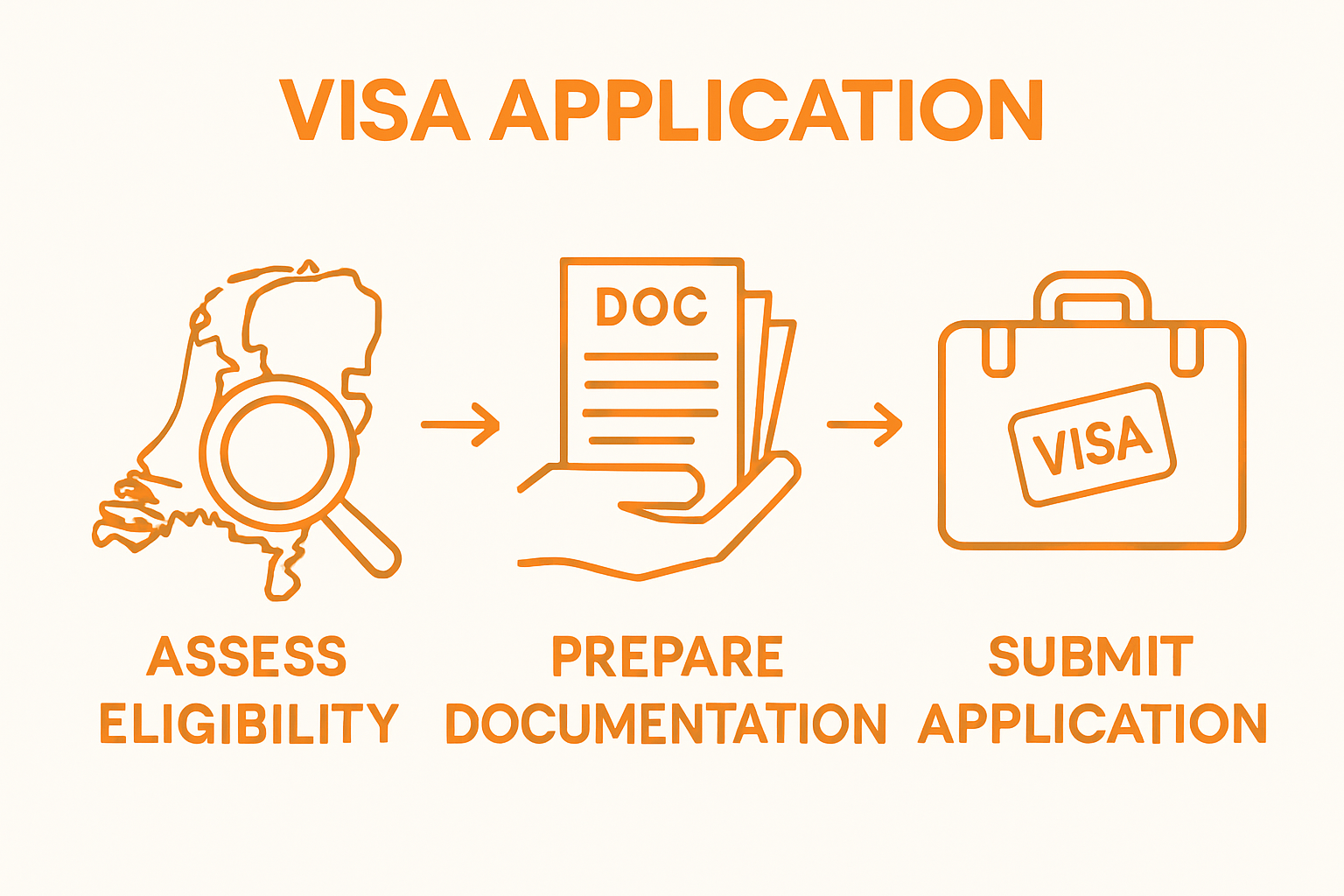
Step 3: Choose the Appropriate Visa Type
Selecting the correct visa type represents a pivotal moment in your Netherlands immigration journey. Your chosen visa will determine your legal status, rights, and potential pathways for future residency. Understanding the nuanced differences between visa categories can mean the difference between a successful immigration experience and potential legal complications.
The Netherlands offers multiple visa categories tailored to specific immigration purposes. Each visa type carries unique requirements, restrictions, and potential for long-term residency. Your personal circumstances, professional background, and immigration objectives will guide your selection.
For professionals seeking employment, the Highly Skilled Migrant Visa provides the most streamlined pathway. This visa targets individuals with specialized skills, advanced degrees, and competitive salaries. Employers must be recognized sponsors by the Dutch Immigration and Naturalisation Service, which significantly simplifies the application process. Candidates typically need a minimum annual salary threshold, which varies based on age and specific professional category.
Students pursuing academic opportunities should consider the Student Residence Permit. This visa requires confirmed enrollment in a recognized Dutch educational institution, demonstrating sufficient financial resources, and maintaining satisfactory academic progress. International students can typically work part-time during their studies, offering additional flexibility and potential career networking opportunities.
Family reunification represents another critical visa category. Individuals with immediate family members who are Dutch citizens or permanent residents can apply for a Family Migration Visa. This pathway requires proving genuine familial relationships, meeting financial support requirements, and passing background checks. Spouses, registered partners, minor children, and in some instances, dependent parents might qualify.
Entrepreneurs and self-employed professionals can explore the Startup Visa or Independent Contractor Visa. These specialized permits target innovative business founders and freelance professionals who can demonstrate a viable business plan or specialized professional skills. Applicants must often secure endorsement from recognized Dutch startup incubators or meet specific professional credentials.
Careful visa selection demands thorough research and potentially professional consultation. Each visa type has specific documentation requirements, financial thresholds, and potential pathways to permanent residency. Matching your personal profile with the most appropriate visa category maximizes your chances of a successful immigration experience.
Before finalizing your visa application, conduct comprehensive research, consult official Dutch immigration resources, and consider seeking guidance from immigration specialists who understand the intricate nuances of Netherlands immigration law.
Below is a table comparing the main Dutch immigration visa types, highlighting eligibility criteria, key requirements, and primary benefits to assist in selecting the most appropriate route.
| Visa Type | Eligibility Criteria | Key Requirements | Primary Benefits |
|---|---|---|---|
| Highly Skilled Migrant Visa | Advanced qualifications and job offer from sponsor | Recognised sponsor employer, salary threshold, degree | Fast-tracked process, flexible permits |
| Student Residence Permit | Acceptance by Dutch educational institution | Proof of enrolment, financial resources, language proof | Study/work during studies |
| Family Migration Visa | Close relation to Dutch citizen or resident | Genuine family ties, financial support, background checks | Reside with family, integration route |
| Startup/Entrepreneur Visa | Innovative business plan or freelance credentials | Endorsement/incubator, business plan, professional proof | Entrepreneurship in the Netherlands |
Step 4: Submit Your Visa Application
Submitting your visa application marks a critical transition point in your immigration journey to the Netherlands. This step transforms your carefully prepared documentation into an official request for entry and residence. Precision, thoroughness, and attention to detail will be your greatest allies in navigating the complex submission process.
Digital and Physical Submission Channels
The Dutch Immigration and Naturalisation Service (IND) offers multiple application submission methods. For most visa categories, you will need to initiate your application through the official IND online portal or at the nearest Dutch embassy or consulate in your home country. International applicants typically must schedule an in-person appointment to complete biometric registration and submit original documentation.
Prepare for your submission by creating digital copies of all documents and organizing physical files meticulously. Your application package should include your completed application form, passport, supporting documentation, and any required supplementary materials specific to your visa category. Ensure every document is current, translated if necessary, and meets the precise formatting requirements specified by the IND.
Financial documentation plays a crucial role in your application. Provide comprehensive proof of financial stability, including bank statements, sponsorship letters, or employment contracts. The immigration authorities want assurance that you can support yourself during your stay without becoming a burden on the Dutch social system.
Be prepared for potential additional information requests. The IND may require supplementary documentation or schedule interviews to verify the information provided. Prompt and professional responses can significantly expedite your application process. Maintain open communication channels and respond to any queries quickly and comprehensively.
The application submission typically involves paying a processing fee. Fees vary depending on your visa category and are non-refundable, even if your application is not approved. Verify the current fee structure through the official IND website and prepare appropriate payment methods in advance.
Verification and Tracking
After submission, you will receive a unique application reference number. This allows you to track your application status through the IND’s online portal. Create an account and link your application to monitor progress, receive updates, and respond to any additional requests promptly.
Careful preparation and meticulous attention to detail can transform a potentially stressful process into a smooth immigration experience. Remember that each document, each form, and each interaction contributes to building a comprehensive picture of your eligibility and intent to become a valued resident of the Netherlands.
Step 5: Prepare for the Immigration Interview
The immigration interview represents a pivotal moment in your Netherlands immigration journey. This intense, comprehensive assessment determines your eligibility and intent to reside in the country. Your performance during this interview can significantly influence the outcome of your entire immigration process.
Understanding the Interview Landscape
Immigration interviews are designed to verify the authenticity of your application, assess your intentions, and evaluate your potential integration into Dutch society. Immigration officers will scrutinize every detail of your documentation, professional background, and personal motivations. Consistency between your written application and verbal responses is absolutely crucial.
Prepare by conducting thorough self-examination of your application materials. Review every document you submitted, understanding the specific details of your work history, educational background, and reasons for immigration. Memorize key dates, employment specifics, and personal narrative with precision. Immigration officers are trained to detect inconsistencies, so absolute clarity and confidence are essential.
Language proficiency plays a critical role in your interview success. While many interviews are conducted in English, demonstrating basic Dutch language skills can significantly enhance your credibility. Practice articulating your professional qualifications, personal background, and immigration motivations clearly and concisely. Consider enrolling in language preparation courses or working with a professional immigration consultant to refine your communication skills.
Dress professionally and arrive well in advance of your scheduled interview time. Your appearance and demeanor communicate volumes about your seriousness and commitment. Select conservative, professional attire that reflects respect for the immigration process. Bring original copies of all submitted documents, including passport, educational certificates, and supporting evidence.
Anticipate potential challenging questions about your background, professional experience, and reasons for choosing the Netherlands. Prepare honest, straightforward responses that demonstrate your genuine intentions. Be prepared to discuss your long-term plans, potential contributions to Dutch society, and how you envision your integration into the local community.
Strategic Interview Preparation
Practice mock interviews with trusted friends, colleagues, or immigration consultants. Focus on maintaining composure, speaking clearly, and providing direct answers. Record these practice sessions to identify areas of improvement in your communication style, body language, and response clarity.
Remember that the interview is not just an interrogation but an opportunity to showcase your potential as a valuable resident. Approach the conversation with confidence, authenticity, and a genuine enthusiasm for your future in the Netherlands. Your ability to communicate your unique value proposition can make a significant difference in the final decision.
Step 6: Finalise Your Relocation Plans
Finalising your relocation plans transforms your immigration journey from theoretical possibility to practical reality. This critical step bridges the gap between administrative approval and actual settlement in the Netherlands, requiring meticulous planning and strategic execution.
Comprehensive Relocation Logistics
Begin by establishing a comprehensive moving timeline that synchronizes your visa approval, professional commitments, and personal transition. Housing represents your most immediate priority. Research rental markets in your intended Dutch city, understanding that competition can be intense, particularly in metropolitan areas like Amsterdam and Rotterdam. Consider temporary accommodation options such as short-term furnished apartments or extended-stay residences while securing permanent housing.
Arranging your financial infrastructure demands immediate attention. Open a Dutch bank account before or immediately upon arrival. Most banks require your citizen service number (BSN), which you will obtain after registering with your local municipality. Research international banking options that facilitate smooth currency transfers and minimal transaction fees during your initial settlement period.
Healthcare registration is another crucial component of your relocation strategy. The Netherlands mandates comprehensive health insurance for all residents. Research and select a health insurance provider within four months of arrival. Compare different packages, understanding coverage details, and ensure your chosen plan meets both legal requirements and your personal healthcare needs.
Prepare for cultural and administrative adaptation by learning fundamental Dutch communication skills. While many Dutch professionals speak excellent English, basic language proficiency demonstrates respect and facilitates smoother daily interactions. Consider enrolling in online language courses or downloading language learning applications to begin your linguistic preparation.
Practical Settlement Preparations
Organize your personal documentation meticulously. Create both digital and physical copies of critical documents including your residence permit, passport, academic credentials, and professional certifications. Develop a secure storage system that allows quick access while protecting sensitive information.
Your professional transition requires equally careful planning. If you are moving for work, coordinate closely with your employer regarding relocation support, potential temporary housing assistance, and onboarding processes. For independent professionals, research networking opportunities, professional associations, and potential collaboration platforms specific to your industry in the Netherlands.
Remember that successful relocation extends beyond administrative tasks. Embrace the cultural nuances of your new home, remain flexible, and approach challenges with patience and enthusiasm. Your thorough preparation will transform potential obstacles into opportunities for personal and professional growth in the Netherlands.
Get Personal Legal Support for a Smooth Move to the Netherlands
Navigating the Dutch immigration process can feel overwhelming, especially when you face strict eligibility rules, complex documentation requirements and the ever-present risk of delays or rejection. Many readers of our How to Immigrate Netherlands: A Step-by-Step Guide worry about missing key paperwork, misunderstanding visa types or preparing for high-stakes interviews with immigration authorities. You deserve expert support to ensure your transition is as smooth and stress-free as possible.
At Law & More, our team is ready to guide you every step of the way. We provide clear advice on documentation, tailored strategies for choosing the right visa category and practical support for your immigration interview. If you want to avoid costly mistakes and make sure your future in the Netherlands gets off to the best start, do not wait. Visit https://lawandmore.eu now to discover how our legal solutions can simplify your immigration journey and secure your new life in the Netherlands.
Frequently Asked Questions
What are the main pathways for immigration to the Netherlands?
The main immigration pathways to the Netherlands include work migration, study migration, family reunification, and highly skilled migrant status, each with specific requirements and documentation.
How do I assess my eligibility for immigration to the Netherlands?
To assess your eligibility, consider factors such as your nationality, professional qualifications, purpose of immigration, and any existing relationships with the Netherlands. Each pathway has distinct criteria that you must meet.
What type of documentation is required for applying for a visa to the Netherlands?
Essential documents include a valid passport, certified and translated birth certificate, academic credentials, proof of financial stability, and specific documents related to your chosen visa category.
How can I prepare for my immigration interview in the Netherlands?
Prepare for your interview by reviewing your application materials, practicing your responses to potential questions, and demonstrating basic Dutch language skills. Dress professionally and bring original copies of all submitted documents.