Practice Area
Energy Law in the Netherlands
Legal expertise for the energy transition
Overview
Energy law is rapidly evolving as the Netherlands transitions to renewable energy. Whether you’re a company investing in solar or wind projects, negotiating power purchase agreements, or navigating complex energy regulations, specialized legal knowledge is essential.
At Law & More, we advise businesses on all aspects of energy law and renewable energy transactions. Our energy lawyers help secure subsidies, negotiate contracts, arrange grid connections, and ensure compliance with energy transition regulations. We also support clients on regulatory matters before the Authority for Consumers and Markets (ACM) and on the sustainability and reporting obligations that increasingly shape energy projects in the Netherlands.
Energy law in the Netherlands combines sector-specific regulation with the general contract and liability rules of the Dutch Civil Code. Power purchase agreements, grid connection contracts and supply arrangements are all governed by the law of obligations in Book 6. For the official English translation of these statutory provisions, see the Dutch Civil Code, Book 6 (obligations and contracts). A clear grasp of these energy law rules helps companies investing in solar, wind and other renewable projects manage their legal risks with confidence.
Negotiating a supply contract or facing a regulator? Speak to our energy lawyers in the Netherlands.
Need Expert Advice?
Our energy law specialists are ready to help. Get personalized legal guidance today.
Quick Navigation
Latest Insights
Energy Law Articles
An ordered index of every guide we have written on Dutch energy law.
- Reading time: < 1 min
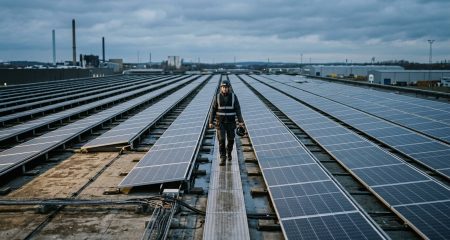
Solar is the quickest route to renewable capacity in the Netherlands, and the legal work
- Reading time: 11 min

The SDE++ (Stimulering Duurzame Energieproductie en Klimaattransitie) is the central Dutch operating subsidy for renewable
- Reading time: 12 min
Key Legal Terms
Important terminology explained in plain language
Power Purchase Agreement (PPA)
A long-term contract between an electricity generator and a buyer for the purchase of renewable energy. PPAs provide price certainty and are essential for financing large renewable projects.
SDE++ Subsidy
The main Dutch subsidy scheme for renewable energy production and CO2 reduction projects. Covers the difference between production costs and market price over typically 15 years.
Grid Connection (Netaansluiting)
The physical and contractual connection between an energy producer/consumer and the electricity grid. Subject to capacity constraints and regulated by grid operators.
Feed-in Tariff
A guaranteed price paid to renewable energy producers for electricity fed into the grid. Being replaced by market-based mechanisms and PPAs.
What We Do
Power Purchase Agreements (PPAs)
Renewable Energy Projects
Grid Connections
SDE++ Subsidies
Energy Trading
Environmental Permits
Energy contract negotiations
Regulatory compliance
Why Choose Law & More
Specialized energy sector expertise
Experience with renewable energy projects
Subsidy application support
Contract negotiation skills
Understanding of Dutch energy regulations
Frequently Asked Questions
Find answers to common questions about Energy Law.
The primary statute is the Energiewet (Energy Act), which came into force in 2026 replacing the Elektriciteitswet 1998 and the Gaswet. It regulates grid operators, supply licences, consumer protection, and energy communities. Supplementing legislation includes the Warmtewet, the Klimaatwet, the Wet Milieubeheer (EU ETS), and the Omgevingswet (environmental permits).
The Authority for Consumers and Markets (ACM) is the primary energy regulator, overseeing grid operators, tariff setting, and consumer protection. The Netherlands Emissions Authority (NEa) regulates the EU ETS. The Ministry of Climate and Energy Policy sets strategic regulation. Permit decisions are often made by provincial governments (for larger installations) or municipalities.
You can file a complaint with the ACM under the Energiewet, which triggers a binding regulatory ruling. If that fails, you can appeal to the Trade and Industry Appeals Tribunal (CBb). In urgent cases, an interim injunction (kort geding) before the district court is available. We handle all three routes.
Netcongestie occurs when a grid operator cannot guarantee the transport of electricity on the high-voltage grid. Since 2022, parts of the Dutch grid have been fully congested, particularly in industrial areas and renewable energy zones. Grid operators may refuse new connections or impose capacity limitations. Legal avenues include the ACM complaint route, Energiewet Article 27 procedures, and negotiated capacity-sharing agreements.
Most projects require an omgevingsvergunning under the Omgevingswet, a net-connection agreement with the grid operator (Liander, Stedin, Enexis), and potentially an SDE++ subsidy application. Large wind farms (over 5 MW onshore) require an inpassingsplan at provincial or national level. We manage the full permitting chain.
A PPA is a long-term contract between an energy producer and a buyer. Corporate PPAs allow companies to match their energy consumption with renewable generation and achieve sustainability targets. They involve complex volume, pricing, and balancing terms. Whether you need one depends on your offtake needs and risk appetite -- we can advise on structure and negotiation.
Yes. Under the Energiewet an energy community with collective generation can supply its members via the grid. Note that net metering (saldering) is a scheme for small connections rather than a benefit of the community as such, and that it ends on 1 January 2027; from that date suppliers pay a feed-in payment instead, which until 2030 must be at least half of the bare supply tariff. Rules on metering, grid access and SDE++ eligibility for communities are specific and require careful legal structuring.
Typical timelines: omgevingsvergunning 6-12 months, with up to 12-18 months if appeal is required at the Raad van State. SDE++ round cycles run twice yearly. Grid connection timelines are highly variable due to congestion -- from 6 months to several years in congested areas. We can advise on realistic timelines for your specific location and project type.
Have Questions About Energy Law?
Our experienced lawyers are ready to help. Schedule a consultation to discuss your specific situation.