Stay informed with insights from Law & More on legal trends, the Dutch legal system, and developments in our practice.
- Home
- Insights

When it comes to mergers and acquisitions in the tech sector, the opportunities are massive.

When businesses operate across international borders, disagreements can arise over contracts, payments, or performance obligations.

As your business grows, you inevitably face a crucial question: is my current legal structure

Picture this: You are a Dutch retailer who discovers that a key supplier has been

You do not need to live in the Netherlands to set up a Dutch BV

Entering into a Dutch general partnership (Vennootschap Onder Firma – VOF) is often compared to
A major legal shift has turned the Netherlands into a prime destination for large-scale claims,

ESG clauses have become essential tools for companies doing business in the Netherlands. These contract

Starting a business in the Netherlands means your ideas and innovations need proper protection. Without

Running a company means you face pressure from every direction. Regulators demand compliance. Investors want

ESG regulations are moving from optional guidelines to legal requirements in 2026. Dutch companies face

The Brainport region is booming. With heavyweights like ASML leading the charge and a vibrant
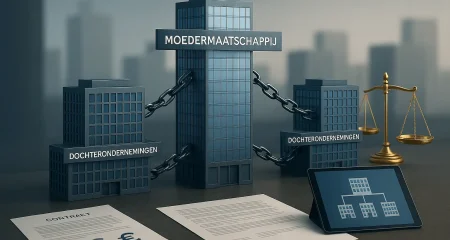
When is a Parent Company Liable for Its Subsidiaries’ Debts? When a company goes bankrupt

A digital shareholders' meeting is a general assembly held entirely online, enabling shareholders to participate,

This page is part of Law & More’s guide to handling business disputes in Dutch

Influencer marketing in the Netherlands has grown rapidly, but many brands and content creators don’t
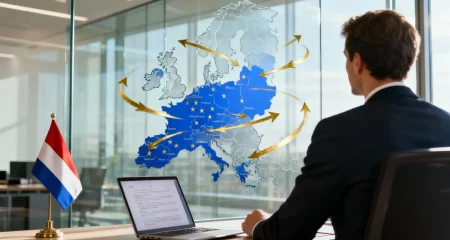
The European Mobility Directive is a game-changer for companies wanting to merge, divide, or even
A Practical Guide for Debtors and Creditors . Introduction Enforcement instruments such as attachment and
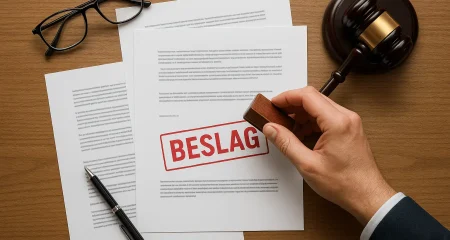
A Practical Guide Through Legal Grounds and Case Law Introduction Imagine: you suddenly receive notice

Can a company simply amend its general terms and conditions? The short answer: not always.