
A shareholder agreement shapes how a company actually runs, far beyond what many assume is just paperwork. Some think it is only the fine print, but one misstep and you could see a partner walk out with full voting power on key decisions or even block a company sale entirely. Most surprises in business come from what is not written down, not what is. This is why these agreements matter more than most ever realise.
Defining a Shareholder Agreement and Its Purpose
A shareholder agreement represents a critical legal document that establishes the operational framework and governance mechanisms between shareholders of a privately held company. This legally binding contract serves as a comprehensive blueprint outlining the rights, responsibilities, and mutual expectations of shareholders, ensuring transparent and structured interactions within the business ownership landscape.
Core Components of a Shareholder Agreement
The fundamental purpose of a shareholder agreement is to provide clarity and protection for all parties involved in corporate ownership. Key components typically encompass several strategic elements that safeguard individual and collective shareholder interests:
- Define the specific rights and obligations of each shareholder
- Establish procedures for resolving potential conflicts and disputes
- Outline mechanisms for share ownership transfer and valuation
- Determine voting rights and decision making processes
- Create exit strategies and buyout provisions
Strategic Importance for Business Governance
A well-constructed shareholder agreement functions as a proactive mechanism to prevent potential misunderstandings and legal complications. By explicitly articulating the terms of shareholder engagement, these agreements minimize the risk of internal conflicts and provide a structured approach to managing complex corporate dynamics.
The following table summarises the core components of a shareholder agreement and briefly explains their purpose, making it easier to understand the agreement’s key building blocks.
| Component | Purpose |
|---|---|
| Shareholder Rights and Obligations | Outline the specific entitlements and duties of each shareholder |
| Conflict Resolution Procedures | Establish methods for addressing disputes between shareholders |
| Share Ownership Transfer and Valuation | Set clear rules for buying, selling, or transferring shares and their valuation |
| Voting Rights and Decision Making | Define how decisions are made and the weight of each shareholder’s vote |
| Exit Strategies and Buyout Provisions | Lay out processes for leaving the company and enabling others to buy departing shares |
For minority shareholders, the agreement represents a critical instrument of protection. It ensures they are not marginalized by majority shareholders and can participate meaningfully in significant corporate decisions. Conversely, majority shareholders benefit from clearly defined boundaries and mechanisms that prevent potential obstructions to strategic business operations.
To clarify the protective mechanisms in shareholder agreements, the table below compares their roles for majority and minority shareholders across several important aspects.
| Protection Aspect | Majority Shareholders | Minority Shareholders |
|---|---|---|
| Decision-Making Control | Ensures boundaries to prevent obstruction by minorities | Guarantees meaningful participation |
| Share Transfer Restrictions | Maintains stable control and prevents unwanted external ownership | Protects from dilution and unauthorised sales |
| Exit and Buyout Provisions | Defines structured buyouts to avoid sudden ownership changes | Allows fair value exits and protection |
| Dispute Resolution Mechanisms | Prevents disruption to business due to prolonged conflicts | Offers recourse if marginalised |
Customization and Legal Flexibility
Every shareholder agreement is unique, reflecting the specific needs, goals, and context of the particular business entity. While standard templates exist, successful agreements are meticulously tailored to address the nuanced requirements of individual organizations. Legal professionals play a crucial role in drafting these documents, ensuring they are comprehensive, legally sound, and aligned with current corporate regulations.
The complexity and depth of a shareholder agreement can vary significantly depending on factors such as company size, industry sector, number of shareholders, and the anticipated growth trajectory of the business. Smaller enterprises might require more straightforward agreements, while larger corporations demand intricate provisions covering multiple potential scenarios and contingencies.
The Importance of Shareholder Agreements in Business Context
Shareholder agreements play a pivotal role in establishing robust governance structures and protecting the interests of business owners across various organizational contexts. These strategic documents transcend mere legal formalities, serving as comprehensive frameworks that define the operational dynamics and interpersonal relationships among shareholders.
Mitigating Potential Business Risks
One of the primary functions of a shareholder agreement is risk management. By establishing clear protocols and expectations, these agreements create a structured environment that minimizes potential conflicts and uncertainties. Businesses can proactively address potential scenarios that might otherwise lead to complex legal disputes or operational disruptions.
Key risk mitigation strategies typically include:
- Establishing transparent mechanisms for share valuation and transfer
- Defining decision making processes and voting rights
- Creating comprehensive exit strategies for shareholders
- Outlining dispute resolution mechanisms
- Protecting minority shareholder interests
Protecting Shareholder Interests
Shareholder agreements serve as critical protective instruments for both majority and minority shareholders. For minority shareholders, these agreements ensure meaningful participation in significant corporate decisions and safeguard against potential marginalization. Majority shareholders benefit from clearly defined boundaries that prevent potential operational disruptions and establish predictable governance structures.
The protective mechanisms embedded within these agreements help maintain organizational stability by:
- Preventing unauthorized share transfers
- Establishing fair compensation frameworks
- Creating mechanisms for resolving potential deadlocks
- Defining clear communication protocols
- Protecting intellectual property and confidential information
Facilitating Strategic Business Evolution
Beyond immediate risk management, shareholder agreements play a crucial role in supporting long-term business strategy and growth. These documents provide a flexible framework that can adapt to changing business environments while maintaining core governance principles. They enable shareholders to collectively plan for future scenarios, including potential mergers, acquisitions, or significant strategic shifts.
The strategic value of shareholder agreements lies in their ability to provide clarity, promote transparency, and create a shared vision among business owners. By establishing clear expectations and mechanisms for collaboration, these agreements transform potential sources of conflict into opportunities for constructive dialogue and collective decision making.
Key Components of a Shareholder Agreement
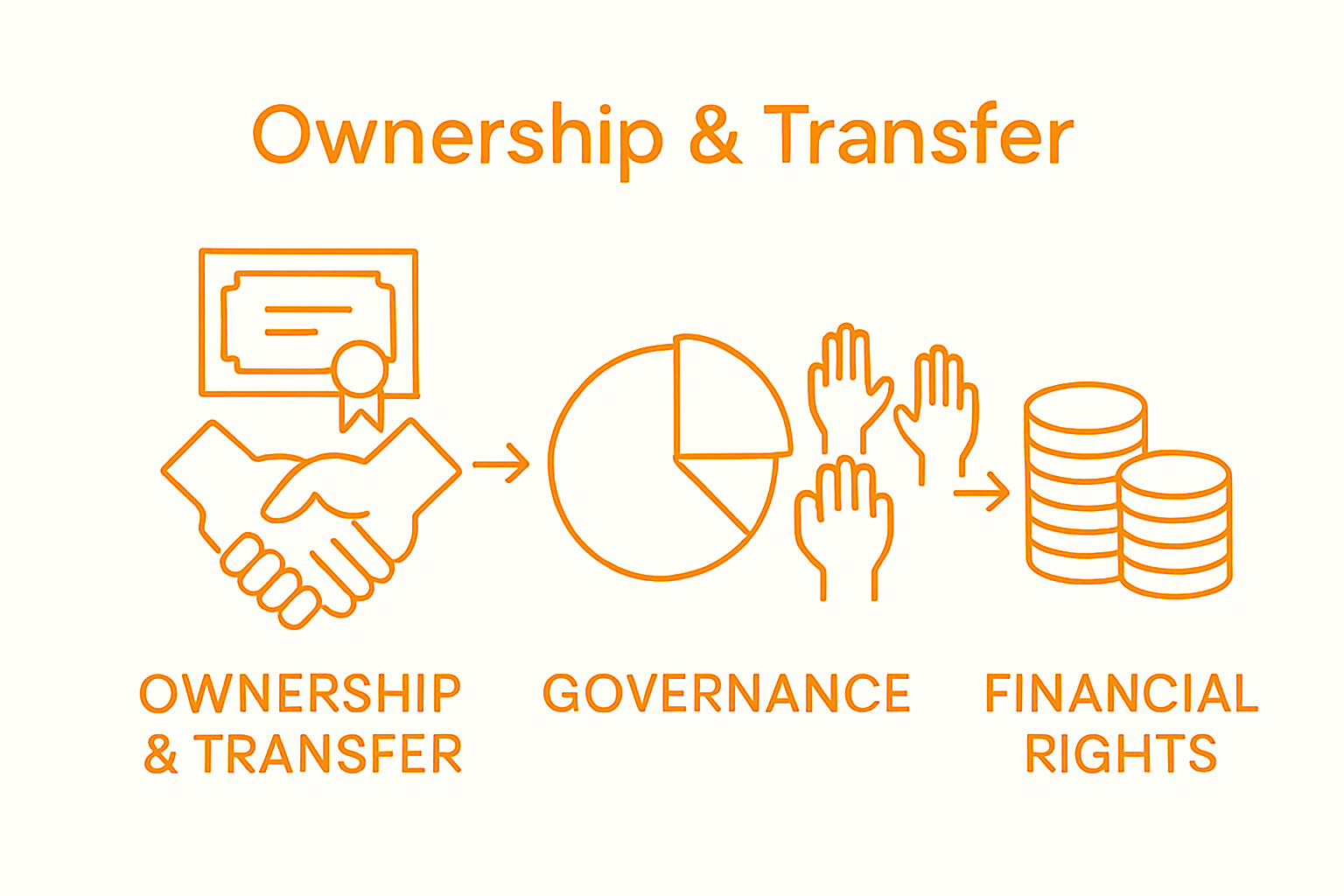
A shareholder agreement comprises intricate legal provisions designed to establish clear governance mechanisms and protect the collective and individual interests of business owners. These comprehensive documents are meticulously crafted to address potential scenarios and establish transparent frameworks for corporate interactions and decision making.
Ownership and Share Transfer Provisions
The ownership and share transfer section represents a critical component of shareholder agreements, establishing the ground rules for how shares can be bought, sold, or transferred within the organization. These provisions protect existing shareholders by creating structured mechanisms that prevent unexpected or unauthorized changes in company ownership.
Key considerations in ownership transfer provisions typically include:
- Rights of first refusal for existing shareholders
- Restrictions on share transfers to external parties
- Valuation methods for share pricing
- Procedures for compulsory share purchases
- Mechanisms for handling inherited or gifted shares
Governance and Decision Making Frameworks
Governing mechanisms within shareholder agreements define the processes through which corporate decisions are made and how different shareholders participate in strategic planning. These frameworks establish clear voting rights, outline decision making thresholds, and create structured approaches for resolving potential deadlocks or conflicts.
Essential governance components often encompass:
- Voting rights proportional to share ownership
- Procedures for electing and removing directors
- Quorum requirements for shareholder meetings
- Mechanisms for resolving decision making impasses
- Specific voting requirements for significant corporate actions
Financial Rights and Dividend Policies
Financial provisions within shareholder agreements establish transparent frameworks for profit distribution, investment strategies, and financial reporting. These sections define how financial benefits are shared among shareholders and create predictable mechanisms for understanding each shareholder’s financial entitlements.
Comprehensive financial provisions typically address:
- Dividend calculation and distribution methods
- Reinvestment strategies for corporate profits
- Financial reporting requirements
- Mechanisms for financial dispute resolution
- Processes for financial transparency and audit
By incorporating these detailed components, shareholder agreements create robust legal frameworks that balance protection, transparency, and flexibility for all parties involved in corporate ownership.
How Shareholder Agreements Function in Practice
Shareholder agreements transform theoretical legal concepts into practical operational mechanisms, providing a dynamic framework for managing complex business interactions. These documents serve as living instruments that guide corporate governance, adapting to the evolving needs of businesses while maintaining structured decision making processes.
Operational Decision Making Mechanisms
In practical application, shareholder agreements establish clear protocols for how corporate decisions are initiated, deliberated, and implemented. These mechanisms go beyond simple voting procedures, creating nuanced systems that balance the interests of different shareholders and ensure efficient organizational functioning.
Practical decision making frameworks typically involve:
- Establishing clear thresholds for different types of corporate actions
- Creating hierarchical decision making structures
- Defining communication channels for shareholder consultations
- Setting protocols for emergency or urgent decision scenarios
- Implementing mechanisms for minority shareholder input
Conflict Resolution and Dispute Management
Real world implementation of shareholder agreements focuses heavily on creating robust mechanisms for managing potential conflicts. These provisions transform potential sources of tension into structured dialogue processes, preventing minor disagreements from escalating into significant legal battles.
Conflict resolution strategies often include:
-
Mandatory mediation and arbitration clauses
-
Structured negotiation protocols
-
Clear procedures for valuing disputed assets
-
Mechanisms for neutral third party interventions
-
Predetermined consequences for unresolved disputes
Adaptive Governance and Strategic Flexibility
Successful shareholder agreements demonstrate remarkable adaptability, providing frameworks that can evolve with changing business environments. These documents are not static legal instruments but dynamic governance tools that allow businesses to respond to emerging challenges while maintaining core structural integrity.
Key adaptive strategies involve:
- Periodic review and amendment provisions
- Mechanisms for incorporating new shareholders
- Flexible governance structures that accommodate business growth
- Scalable decision making processes
- Provisions for handling significant organizational transitions
The practical effectiveness of shareholder agreements lies in their ability to anticipate potential scenarios, create clear pathways for resolution, and provide a sense of security and predictability for all involved parties.

Real-World Applications and Scenarios Involving Shareholder Agreements
Shareholder agreements transcend theoretical legal constructs, manifesting as powerful tools that address complex business scenarios across diverse organizational contexts. These strategic documents provide practical solutions to intricate challenges that arise during business ownership and corporate governance.
Startup and Early Stage Business Scenarios
In startup environments, shareholder agreements play a crucial role in establishing foundational governance structures and protecting the interests of founding members. These agreements become particularly critical when multiple entrepreneurs collaborate, helping to prevent potential conflicts and creating clear expectations about roles, responsibilities, and equity distribution.
Key considerations for startups typically include:
- Defining founder equity allocations
- Establishing vesting schedules for founder shares
- Creating mechanisms for handling founder departures
- Protecting intellectual property rights
- Establishing initial decision making frameworks
Business Expansion and Investment Scenarios
As businesses grow and seek external investment, shareholder agreements become essential instruments for managing relationships with new investors and maintaining organizational stability. These documents provide frameworks for integrating new shareholders while protecting existing ownership structures and maintaining strategic control.
Critical provisions for expansion scenarios often address:
- Mechanisms for investor entry and exit
- Dilution protection for existing shareholders
- Rights and obligations of new investment partners
- Valuation methodologies for additional share issuances
- Reporting and transparency requirements
Succession and Ownership Transition Planning
Shareholder agreements become particularly vital in managing ownership transitions, especially in family businesses or closely held corporations. These documents provide structured approaches for managing generational transfers, potential buyouts, and scenarios involving unexpected shareholder departures.
Succession planning components typically include:
- Mechanisms for transferring ownership to next generation
- Valuation methods for inherited or transferred shares
- Procedures for managing potential conflicts
- Provisions for maintaining business continuity
- Strategies for managing potential external interventions
By addressing these real world scenarios, shareholder agreements transform from mere legal documents into dynamic strategic tools that provide clarity, protection, and flexibility for business owners across various organizational contexts.
Move Forward with Confidence: Secure Your Business With a Strong Shareholder Agreement
Understanding what makes a shareholder agreement truly effective can be a real challenge. Many business owners worry about unexpected conflicts, confusing share transfer rules, or poorly defined decision-making processes. As highlighted in the article, clarity, flexibility, and protection of both majority and minority stakeholders are essential. Without tailored legal expertise, these complex requirements can leave you exposed to unnecessary risk or missed opportunities.
At Law & More, our experienced team advises Dutch and international clients on drafting and reviewing shareholder agreements that anticipate real-world issues and provide robust solutions. We help you avoid misunderstandings and safeguard your interests through agreements aligned with the latest business developments and Dutch law. If you are looking to create, update, or troubleshoot your shareholder agreement, visit our main site to connect directly with our legal experts. Make sure your shareholder framework is ready for 2025 and beyond. Book a consultation now and protect your business from uncertainty.
Frequently Asked Questions
What is a shareholder agreement?
A shareholder agreement is a legal document that outlines the rights, responsibilities, and expectations of shareholders in a privately held company, providing a structured governance framework.
Why is a shareholder agreement important for businesses?
Shareholder agreements are crucial for preventing conflicts among shareholders, protecting minority interests, and establishing clear governance and operational protocols within the company.
What are the key components of a shareholder agreement?
Key components typically include ownership and share transfer provisions, governance and decision-making frameworks, financial rights and dividend policies, and conflict resolution mechanisms.
How can a shareholder agreement adapt to business changes?
A well-crafted shareholder agreement features provisions for periodic reviews and amendments, allowing it to evolve with the business’s growth, new shareholders, and changing market conditions.