

International custody battles are turning everyday family life into a legal puzzle, especially as families become more global. More than 90 countries have signed the Hague Convention, yet parents still face heart-wrenching decisions when borders get in the way of seeing their children. The real surprise is that Dutch law does not just juggle legal paperwork, it puts children’s emotional security right at the forefront, flipping the script on how nations handle these cross-border family crises.
Table of Contents
- What Are Custody Battles And Why Do They Occur Between Countries?
- The Importance Of Dutch Law In International Custody Disputes
- How The Hague Convention Influences Dutch Custody Decisions
- Key Principles Of Dutch Custody Law In Cross-Border Cases
- Real-Life Implications Of Custody Rulings For Families
Quick Summary
| Takeaway | Explanation |
|---|---|
| Child welfare is paramount in custody disputes | Dutch law prioritises the child’s best interests, aiming to provide stable emotional and psychological conditions during legal processes. |
| Jurisdiction is key in international cases | Determining which country’s legal system has authority is crucial for resolving custody disputes and requires careful assessment of multiple factors. |
| The Hague Convention guides Dutch legal practices | This international treaty establishes standards for custody cases, facilitating cooperation and ensuring children’s rights are protected across borders. |
| Custody rulings impact children’s emotional health | Decisions made in custody cases can lead to significant psychological challenges, emphasizing the need for sensitive, child-focused approaches. |
| Collaborative co-parenting supports children’s wellbeing | Emphasising ongoing parental cooperation can help maintain healthy relationships, benefiting children’s emotional stability despite geographical distances. |
What Are Custody Battles and Why Do They Occur Between Countries?
Children Across Borders: How Dutch Law Deals With Custody Battles Between Countries presents a complex legal landscape where international relationships, family dynamics, and legal frameworks intersect. A custody battle occurs when parents or guardians disagree about child care, living arrangements, and parental responsibilities, particularly when those disputes span multiple national jurisdictions.
Understanding International Custody Disputes
International custody battles emerge from increasingly globalised family structures where parents might hold different nationalities, live in separate countries, or have complex migration histories. These disputes often arise from situations such as:
- Marriage between individuals from different countries
- Expatriate families relocating internationally
- Relationships ending with one parent returning to their home country
- Complex family migration patterns
The fundamental challenge in these scenarios involves determining which country’s legal system has jurisdiction and how to protect the child’s best interests when parents reside in different nations.
Legal Complexity in Cross Border Custody
Cross-border custody disputes involve intricate legal considerations. Jurisdictional challenges become paramount when parents live in different countries, each potentially claiming legal authority over child custody arrangements. Dutch law, like many advanced legal systems, prioritises the child’s welfare as the primary consideration in such cases.
Key factors that complicate international custody battles include differing legal standards, cultural interpretations of parental rights, and the potential for conflicting court orders from multiple jurisdictions. The Hague Convention on the Civil Aspects of International Child Abduction provides a critical framework for addressing these complex scenarios, establishing protocols for returning children to their habitual residence and preventing parental child abduction.
Navigating these legal challenges requires sophisticated understanding of international family law, bilateral agreements, and the nuanced interpretation of children’s rights across different legal systems. Parents facing such disputes must consider not just legal technicalities, but the profound emotional and developmental impact on the children involved.
The Importance of Dutch Law in International Custody Disputes
Children Across Borders: How Dutch Law Deals With Custody Battles Between Countries demands a nuanced understanding of the Netherlands’ sophisticated legal approach to international family disputes. Dutch law stands out as a progressive and comprehensive framework for addressing complex cross-border custody challenges.
Comprehensive Legal Protection Framework
The Dutch legal system has developed an advanced approach to international custody disputes that prioritises child welfare above all other considerations. This approach reflects a deep commitment to protecting children’s rights and emotional well-being in increasingly complex global family structures.
Key strengths of the Dutch legal framework include:
- Robust implementation of international conventions
- Sophisticated mechanisms for jurisdictional determination
- Comprehensive assessment of children’s best interests
- Proactive approach to preventing potential child abduction
Multilateral Legal Collaboration
Netherlands plays a crucial role in international legal cooperation through active participation in global legal frameworks. The country has signed and rigorously implements the Hague Convention on the Civil Aspects of International Child Abduction, which provides a standardised approach to resolving cross-border custody disputes.
Dutch courts employ a highly systematic method for evaluating international custody cases. They carefully consider multiple factors, including the child’s habitual residence, existing relationships with parents, potential psychological impacts of relocation, and the ability of each parent to provide stable care.
Protecting Children’s Fundamental Rights
The Dutch legal approach distinguishes itself by treating custody disputes not merely as legal challenges, but as complex human rights issues. Parental responsibility is viewed as a nuanced concept that extends beyond traditional notions of ownership or control. Courts consistently prioritise emotional stability, educational continuity, and psychological well-being of children caught in international legal disputes.
This holistic perspective ensures that legal decisions reflect the intricate realities of modern international families, recognising that children’s interests transcend national boundaries and require sophisticated, empathetic legal interventions.
How the Hague Convention Influences Dutch Custody Decisions
Children Across Borders: How Dutch Law Deals With Custody Battles Between Countries reveals the critical role of the Hague Convention in shaping international custody resolution. This international treaty provides a comprehensive framework for addressing complex cross-border child custody and child abduction scenarios.
Legal Framework and Jurisdictional Principles
The Hague Convention establishes fundamental principles that guide Dutch legal approaches to international custody disputes. Jurisdictional determination becomes a critical first step in resolving complex family law challenges across national boundaries.
Key principles embedded in the Hague Convention include:
- Prioritising the child’s habitual residence
- Preventing international child abduction
- Ensuring prompt return of wrongfully removed children
- Protecting children’s fundamental rights and interests
Mechanisms of Legal Protection
Dutch courts implement the Hague Convention through sophisticated legal mechanisms that balance international legal standards with nuanced understanding of individual family circumstances. The convention provides a structured approach for determining which country’s legal system should handle custody disputes.
When a child is allegedly wrongfully removed or retained across international borders, Dutch authorities follow specific protocols. These involve investigating the child’s habitual residence, assessing potential risks, and determining whether returning the child would expose them to physical or psychological harm.
Balancing International Legal Standards
The Hague Convention represents more than a procedural framework. It embodies a profound commitment to protecting children’s fundamental rights in an increasingly globalised world. Dutch legal professionals interpret the convention’s guidelines with remarkable sensitivity, recognising that legal decisions impact real human lives.
By providing a standardised approach to resolving international custody disputes, the Hague Convention enables Netherlands to maintain a sophisticated, compassionate legal response to complex family law challenges. The approach prioritises children’s emotional and psychological well-being over narrow legal technicalities, reflecting a deeply humane understanding of family dynamics in the international context.
To assist readers in distinguishing the approaches and frameworks mentioned, the following table compares key elements of Dutch custody law and the Hague Convention as discussed in the article.
| Aspect | Dutch Custody Law | Hague Convention |
|---|---|---|
| Primary Focus | Child’s welfare and best interests | Preventing international child abduction |
| Jurisdictional Basis | Habitual residence, emotional and psychological wellbeing | Habitual residence, prompt return of child |
| Approach to Parental Rights | Emphasises nuanced parental responsibility | Sets baseline legal standards |
| Cross-Border Cooperation | Active participation and legal collaboration | Framework for multilateral cooperation |
| Assessment Method | Comprehensive, case-by-case, child-centric | Procedural, principled, legally standardised |
| Psychological Considerations | High priority; considers long-term impacts | Considered, mainly in context of return exceptions |
Key Principles of Dutch Custody Law in Cross-Border Cases
Children Across Borders: How Dutch Law Deals With Custody Battles Between Countries requires a comprehensive understanding of the fundamental legal principles that govern international custody disputes. The Netherlands has developed a sophisticated legal approach that balances international legal standards with nuanced protection of children’s fundamental rights.
Determining Jurisdictional Authority
The cornerstone of Dutch cross-border custody law is the precise determination of jurisdictional authority. Dutch legal professionals employ a systematic approach to establishing which country’s legal system should adjudicate custody disputes, focusing on critical factors that protect children’s well-being and stability.
Key considerations in jurisdictional determination include:
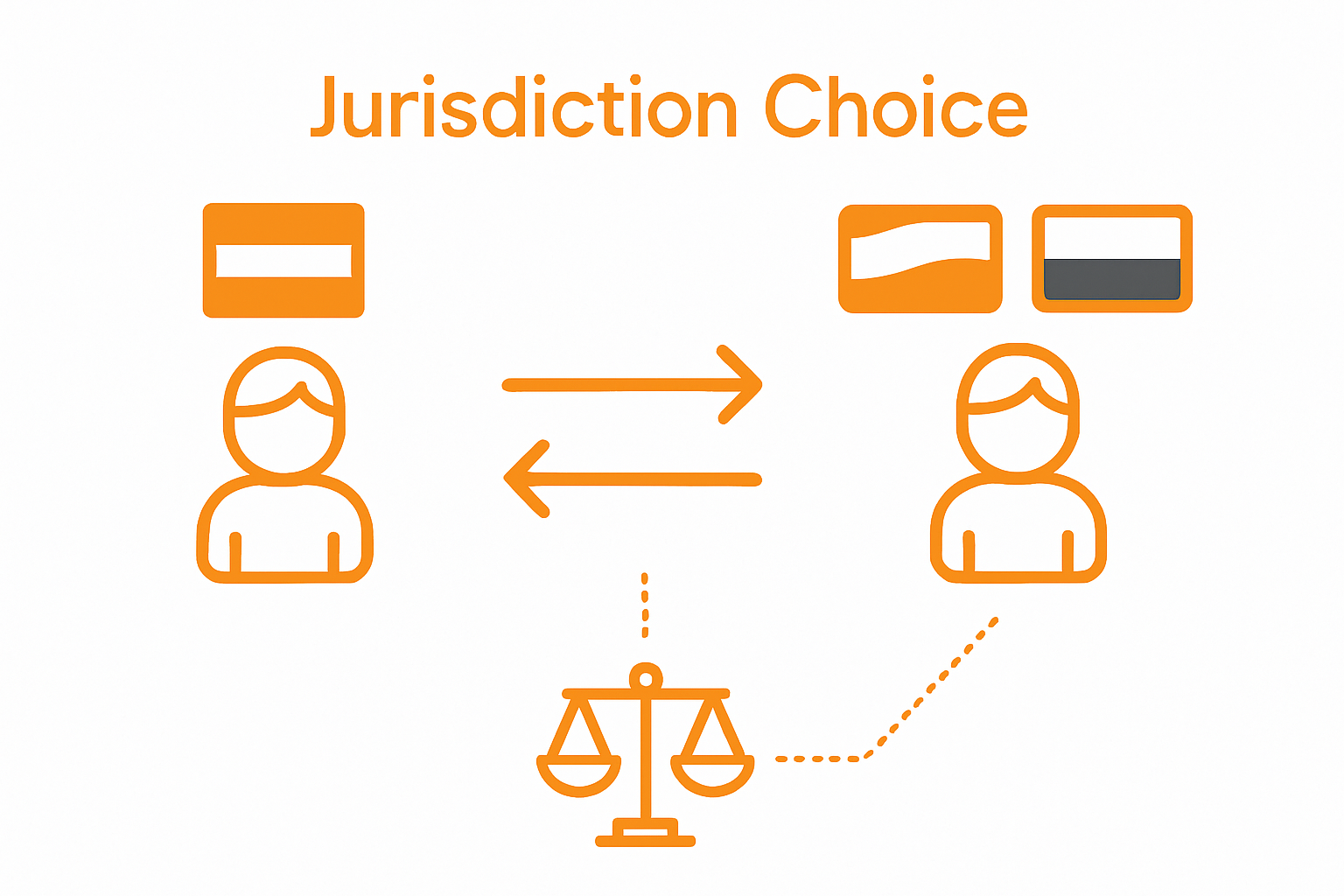
- Child’s habitual residence
- Existing familial relationships
- Potential psychological impacts of legal decisions
- Current and future safety of the child
- Stability of proposed living arrangements
Prioritising Child’s Best Interests
Dutch custody law distinguishes itself through an unwavering commitment to child-centric legal decision-making. Rather than treating children as legal objects, the Netherlands views children as independent individuals with fundamental rights that transcend national boundaries.
The legal framework requires comprehensive assessment of multiple dimensions, including emotional connections, potential psychological trauma, educational continuity, and long-term developmental considerations. Courts meticulously evaluate each case’s unique circumstances, recognising that standardised approaches cannot address the complex realities of international family dynamics.
International Legal Cooperation
Netherlands demonstrates remarkable sophistication in international legal cooperation, actively participating in global frameworks like the Hague Convention. This approach enables seamless communication between judicial systems, ensuring that cross-border custody decisions reflect internationally recognised standards of child protection.
By embracing a holistic, collaborative approach, Dutch legal professionals create a robust mechanism for resolving complex international custody disputes. The framework transcends traditional legal boundaries, recognising that children’s welfare requires nuanced, empathetic, and scientifically informed legal interventions.
Real-Life Implications of Custody Rulings for Families
Children Across Borders: How Dutch Law Deals With Custody Battles Between Countries illuminates the profound human impact of international legal decisions. Beyond legal technicalities, custody rulings carry deep emotional and psychological consequences for families navigating complex cross-border relationship dynamics.
Emotional and Psychological Dimensions
Custody decisions represent far more than legal determinations. Psychological well-being emerges as a critical consideration, with long-lasting implications for children caught in international legal disputes. Dutch legal frameworks recognise that judicial decisions fundamentally shape children’s emotional landscapes, potentially influencing their sense of security, identity, and familial relationships.
Significant psychological challenges include:
- Potential trauma from separation from primary caregivers
- Disruption of established emotional connections
- Complex identity negotiations across cultural boundaries
- Long-term developmental impacts of legal interventions
- Potential stress from ongoing parental conflicts
Practical Challenges of Cross-Border Parenting
International custody rulings introduce intricate practical complexities for families. Parents must navigate challenging logistical and financial landscapes, including managing communication, arranging visitation, and ensuring consistent care across different jurisdictions.
Families frequently encounter multifaceted challenges such as managing international travel, coordinating educational continuity, addressing language barriers, and maintaining meaningful relationships despite geographical separation. These practical considerations require extraordinary levels of cooperation, flexibility, and mutual respect between parents.
The table below summarises the main challenges faced by families involved in international custody disputes, clarifying both emotional and practical aspects as highlighted in the article.
| Category | Challenge | Description |
|---|---|---|
| Emotional/Psychological | Trauma from separation | Risk of children facing distress or anxiety when separated from primary caregivers |
| Emotional/Psychological | Disruption of emotional bonds | Potential loss of attachment with one or both parents |
| Emotional/Psychological | Identity negotiation | Children may struggle with changing cultural or national identity |
| Practical | Logistical complexities | Managing travel, communication, and visitation across international borders |
| Practical | Educational continuity | Ensuring stable schooling amidst relocation or legal changes |
| Practical | Language and cultural barriers | Difficulties arising from multinational and multilingual family circumstances |
| Emotional/Practical | Stress from parental conflict | Ongoing disputes leading to instability and long-term family tension |

Long-Term Family Dynamics
Dutch legal approaches recognise that custody decisions are not isolated events but part of an ongoing familial narrative. The legal system aims to create frameworks that support sustainable, healthy relationships between children and both parents, regardless of geographical boundaries.
By prioritising children’s holistic development and emotional stability, Dutch custody law seeks to transform potentially adversarial legal processes into opportunities for constructive co-parenting. The approach emphasises collaborative problem-solving, recognising that children’s well-being depends on parents’ ability to maintain respectful, child-centred relationships even after separation.
Turn Complex International Custody Challenges into Solutions with Law & More
Navigating cross-border custody battles presents a host of emotional and legal uncertainties. As highlighted in our article, dealing with issues such as jurisdiction, parental responsibility, and international child relocation is far from straightforward. The process is overwhelming, especially when your child’s future and wellbeing are at risk. What you need is clarity, guidance, and decisive action rooted in expert knowledge of both Dutch and international family law.
Let Law & More be your trusted partner in these challenging times. Our experienced team in the Netherlands understands the intricate nature of international custody disputes, as well as the unique pressures faced by families across borders. Benefit from our tailored support, multilingual service, and transparent approach. Visit Law & More today to discover how we can protect your child’s interests with practical, compassionate legal solutions. Take the first step now and book your initial consultation directly through our appointment system – regain peace of mind and secure a brighter future for your family.
Frequently Asked Questions
What is a custody battle between countries?
A custody battle between countries occurs when parents or guardians disagree on child care, living arrangements, and parental responsibilities, particularly when those disputes involve different national jurisdictions.
How does Dutch law approach cross-border custody disputes?
Dutch law prioritises the welfare of the child and employs a comprehensive framework that incorporates international conventions, such as the Hague Convention, to address custody disputes effectively and empathetically.
What factors do Dutch courts consider in custody cases?
Dutch courts evaluate factors such as the child’s habitual residence, existing familial relationships, potential psychological impacts, and the overall stability of proposed living arrangements in determining custody arrangements.
How does the Hague Convention influence custody decisions in the Netherlands?
The Hague Convention establishes key principles for custody disputes, including the prioritisation of the child’s habitual residence and mechanisms for preventing international child abduction, which Dutch courts rigorously apply in their decision-making.


