In the Netherlands, using drugs is not a criminal offence, but possessing, producing, selling, transporting, importing and exporting them is, for hard drugs as well as soft drugs. The main exception in practice is the tolerance policy (gedoogbeleid): the Public Prosecution Service (Openbaar Ministerie, OM) in principle does not prosecute possession of a small amount for personal use, or the sale of cannabis in coffeeshops that meet strict conditions, although both remain prohibited.
Dutch drug law rests on the Opium Act (Opiumwet), supplemented by the Medicines Act (Geneesmiddelenwet) and the Commodities Act (Warenwet). This page explains the Opium Act lists, the maximum penalties, the tolerance policy and the ban on groups of new psychoactive substances.
Table of contents
How is the Opium Act structured?
The Opium Act divides prohibited substances into lists, and the list determines the penalty. List I contains hard drugs, List II soft drugs and certain sedatives, and List IA groups of new psychoactive substances.
What is on Lists I, II and IA?
List I covers substances with an unacceptable risk, such as heroin, cocaine, amphetamine, ecstasy (MDMA) and 3-MMC. Article 2 of the Opium Act prohibits bringing these substances into or out of the Netherlands, growing, preparing, selling, supplying or transporting them, possessing them and manufacturing them.
List II covers cannabis products, such as hashish and weed, and certain sedatives (Article 3 Opium Act). Since 1 July 2025, Article 2a of the Opium Act also prohibits substances belonging to a group of substances (stofgroep) on List IA. List IA does not name individual substances but groups derived from the same chemical structure, so a slightly modified variant of a known designer drug is covered from the outset.
Is drug use punishable?
No. The Opium Act does not prohibit use itself. Possession is prohibited, however, and you can hardly use a substance without possessing it.
Municipalities can also prohibit drug use in certain places, such as parks, shopping streets or areas near schools, through their general local by-law (Algemene Plaatselijke Verordening, APV). Breaching such a ban can lead to a fine.
Which penalties apply?
The maximum penalty depends on the list and the act. For hard drugs, intentional import or export carries up to 12 years’ imprisonment under Article 10(5) of the Opium Act.
| Category | Act | Statutory maximum |
|---|---|---|
| List I (hard drugs) | Import or export | 12 years (Article 10(5)) |
| List I | Selling, supplying, transporting, growing, preparing or manufacturing | 8 years (Article 10(4)) |
| List I | Possession | 6 years (Article 10(3)) |
| List I | Small amount for personal use | 1 year (Article 10(6)) |
| List IA (substance groups) | Any prohibited act | 6 years; small amount for personal use 6 months (Article 10b) |
| List II (soft drugs) | Possession of up to 30 grams of cannabis | 1 month detention (Article 11(1) and (6)) |
| List II | Possession, sale or cultivation of larger amounts | 2 years (Article 11(2)); large quantities or professional cultivation 6 years (Article 11(3) and (5)) |
| List II | Import or export | 4 years (Article 11(4)) |
These are maximums. Sentences actually imposed are usually much lower and depend on the quantity, the suspect’s role and previous convictions. The OM applies its own prosecution guidelines.
A bill to raise the maximum sentences for large-scale hard-drug crime has been under discussion; until it is adopted and in force, the maximums above apply.
When does the OM not prosecute?
Under the OM’s Opium Act Instruction (Aanwijzing Opiumwet), possession of a small amount for personal use is in principle not investigated or prosecuted. The drugs are always seized.
- Soft drugs: up to 5 grams of cannabis, and growing up to 5 plants is in principle not treated as professional cultivation.
- Hard drugs: a user quantity, such as one pill or one wrap, in any case no more than 0.5 gram.
Even without prosecution, a case can leave a trace. If the OM registers the case, its decision, including a dismissal (sepot), is recorded in the judicial documentation system and can be taken into account when you apply for a certificate of conduct (Verklaring Omtrent het Gedrag, VOG), for example for work in education, care or security.

How does the coffeeshop tolerance policy work?
A coffeeshop may sell small quantities of cannabis if it meets the national tolerance criteria in the Opium Act Instruction and has permission from the municipality. The mayor enforces the rules and can close a coffeeshop that breaches them (Article 13b Opium Act).
The national criteria are known as the AHOJGI criteria:
- A: no advertising;
- H: no sale of hard drugs;
- O: no nuisance in the neighbourhood;
- J: no sale to young people under 18, and no access for them;
- G: no sale of more than 5 grams per transaction, and a trading stock of no more than 500 grams;
- I: sale only to residents of the Netherlands, with local enforcement of this criterion differing between municipalities.
The supply to the coffeeshop, the so-called back door, is not tolerated. Growing and wholesale trade remain punishable, except within the experiment with a closed coffeeshop chain (Experiment gesloten coffeeshopketen), in which coffeeshops in a limited number of participating municipalities sell cannabis from licensed growers.
What can your municipality decide?
The municipality decides whether it allows coffeeshops at all and on what conditions. Through the APV it can also prohibit drug use in public places and set rules on opening hours and locations.
Local rules can be stricter than the national ones. Check your municipality’s website before you assume that something tolerated in one city is also tolerated in another.
Which mistakes are common?
The most common mistake is confusing tolerance with legalisation. Tolerance means the OM does not prosecute in certain cases; it does not make the conduct lawful, and the police can always seize drugs.
- Thinking use is always allowed: municipalities can prohibit it in parks or shopping areas and fine you for it.
- Underestimating a small amount of hard drugs: it is seized, and a registered case can affect a VOG application.
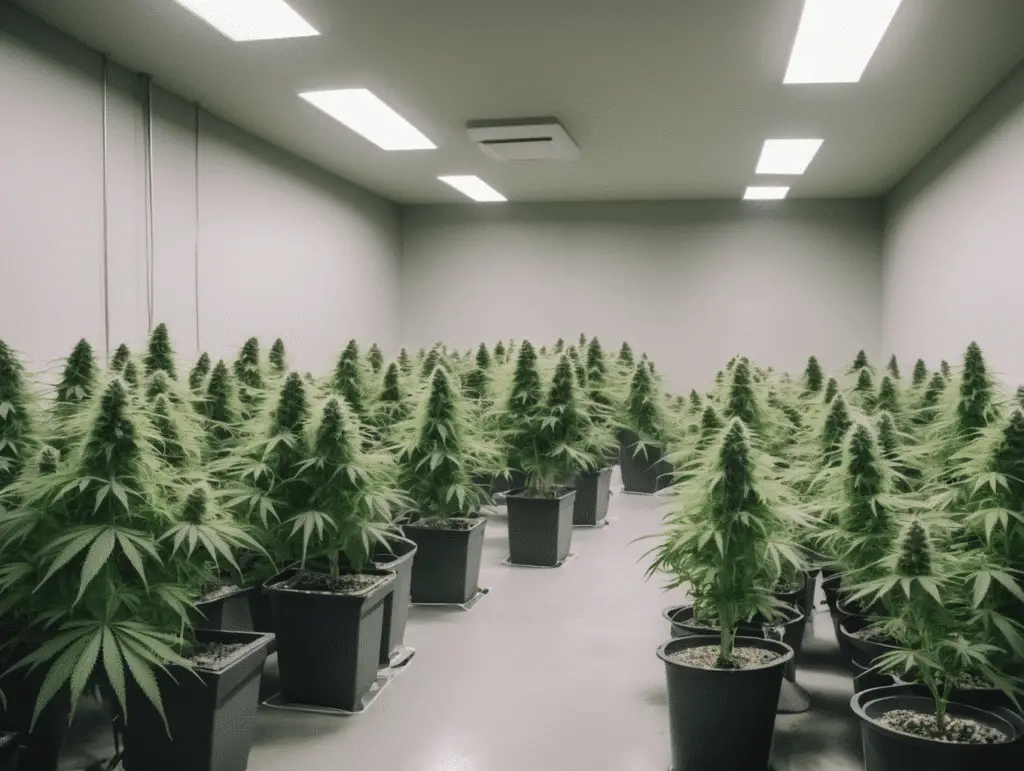
- Growing more than five plants, or using professional equipment: this is treated as professional cultivation, with a maximum of 6 years under Article 11(3) Opium Act.
- Assuming that a substance sold online as “legal” is allowed: since 1 July 2025 new variants of known designer drugs often fall under List IA, even if they are not named individually.
What should you check if you are stopped with drugs?
- Which list is the substance on: List I, List IA or List II?
- Is the quantity within the user quantity of the Opium Act Instruction (5 grams of cannabis, 0.5 gram or one pill of hard drugs)?
- Are there indications of dealing, such as packaging, scales or cash, that the police may rely on?
- Have you been told about your right to remain silent and your right to consult a lawyer before the first police interview?
- Has the case been registered, and what decision did the OM take?
What can we do for you in a drugs case?
Our criminal lawyers assist suspects in Opium Act cases from the first police interview through to the court hearing; see also what to do when you are charged with a drug offence and what tolerance means for possession for personal use.
- We assist you during the police interview and advise you on whether to answer questions.
- We assess whether the search, seizure and arrest were lawful.
- We review the case file and the OM’s prosecution guidelines for your quantity and role.
- We negotiate with the OM about a dismissal or settlement where possible.
- We defend you at the court hearing and advise on the consequences for a VOG.
Summary
- Drug use is not a crime, but possession, production, trade, import and export are prohibited under the Opium Act.
- List I (hard drugs), List IA (substance groups, since 1 July 2025) and List II (soft drugs) determine the maximum penalties.
- Maximums range from 1 month detention for up to 30 grams of cannabis to 12 years for import or export of hard drugs.
- The OM in principle does not prosecute 5 grams of cannabis, 5 plants or 0.5 gram of hard drugs, but the drugs are seized.
- Coffeeshops are tolerated under the AHOJGI criteria and municipal permission; the supply side remains punishable.
Frequently asked questions
Am I allowed to use drugs in the Netherlands?
Use is not punishable under the Opium Act, but possession is prohibited. Municipalities can also ban use in certain places, such as parks and shopping streets, through the APV.
Will I get a criminal record for one ecstasy pill?
One pill is a user quantity, and the OM will in principle not prosecute. The pill is seized. If the case is registered, the decision is recorded in the judicial documentation system and can count in a VOG application.
How much cannabis may I carry?
Possession of cannabis is prohibited, but the OM in principle does not prosecute up to 5 grams for personal use. Possession of up to 30 grams carries a maximum of 1 month detention (Article 11 Opium Act).
What is List IA?
Since 1 July 2025, List IA prohibits whole groups of new psychoactive substances with the same chemical structure. Breaches carry up to 6 years of imprisonment, or 6 months for a small amount for personal use (Article 10b Opium Act).
May I grow cannabis plants at home?
Growing cannabis is prohibited. The OM in principle treats up to 5 plants as non-professional and does not prosecute; more plants or professional equipment can lead to prosecution, with a maximum of 6 years for professional cultivation.